Direct manufacturer integration supporting hospital sterile fields, airway management, and diagnostic apparatus design.
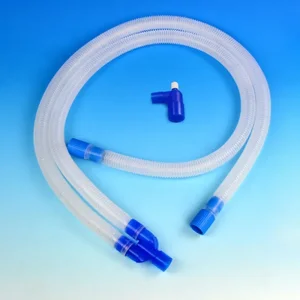
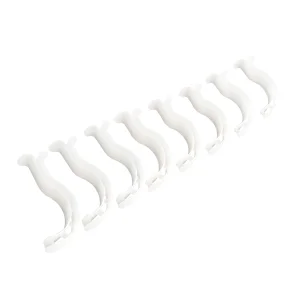
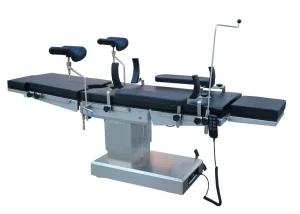
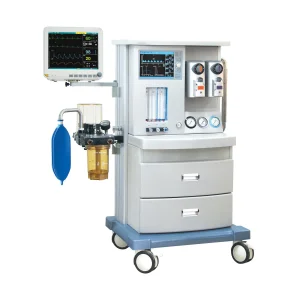
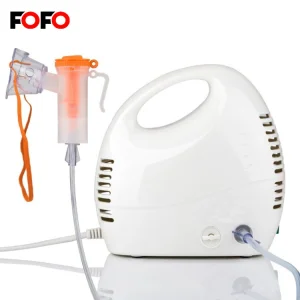
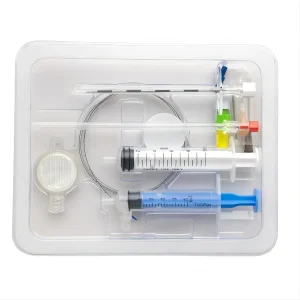
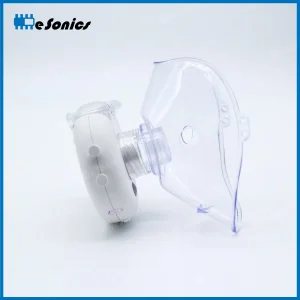
Hangzhou RosMed Medical Co., Ltd. is a professional China medical consumables supplier specializing in disposable medical plastics, surgical non-woven products, and respiratory solutions. Since its establishment, RosMed has been committed to delivering safe, reliable, and high-quality healthcare products to global markets.
Over the years, the company has evolved from a focused manufacturer of basic disposable medical supplies into a comprehensive provider of integrated healthcare solutions. Through continuous investment in research and development, RosMed has expanded its product portfolio to cover urology consumables, anesthesia accessories, respiratory support components, and a wide range of non-woven and plastic medical products. Each stage of its development reflects a strong commitment to innovation, quality improvement, and adaptation to international healthcare standards.
With advanced production facilities and strict quality control systems, Hangzhou RosMed Medical Co., Ltd. ensures that all products meet global certifications and regulatory requirements. The company also actively supports OEM and ODM services, enabling partners to develop customized solutions tailored to specific market needs. Driven by a customer-centric philosophy, RosMed has built long-term partnerships with distributors, hospitals, and healthcare organizations worldwide. Today, it continues to grow as a trusted supplier in the medical consumables industry, dedicated to improving patient safety and supporting modern healthcare systems globally.
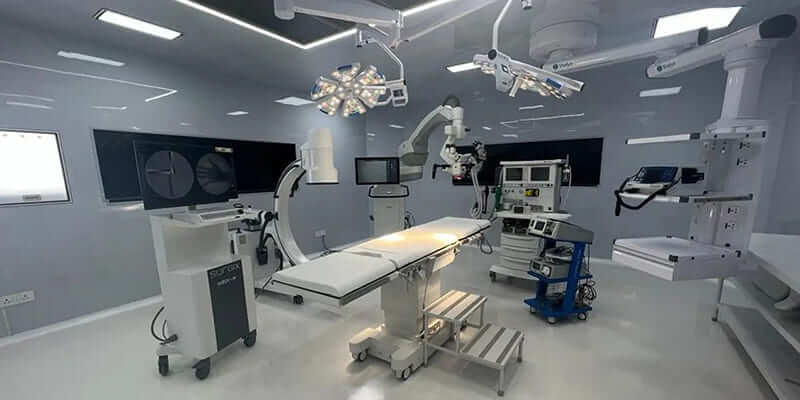
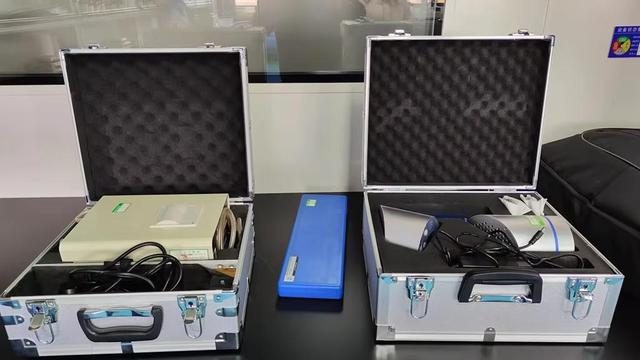
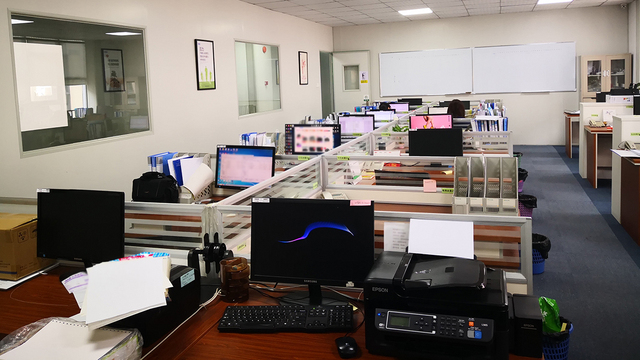
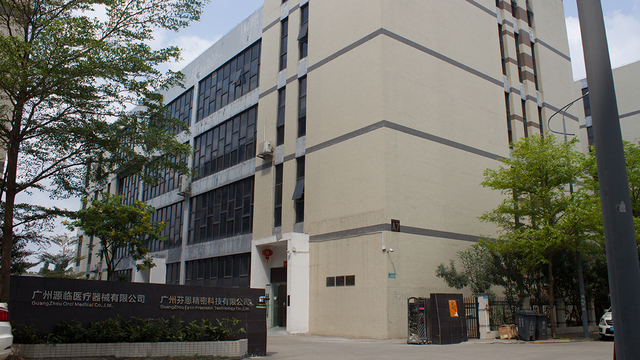
Modern surgical workflows demand rigorous microbiological barriers. Standard SMS (Spunbond-Meltblown-Spunbond) composite technologies have paved the way for multiaxial, high-density non-wovens optimized for high-fluid orthopedic and cardiothoracic surgeries.
Surgical drapes are categorised based on their barrier properties. From Level 1 (minimal fluid exposure) to Level 4 (high fluid pressure and viral penetration resistance), the engineering of hydrophobic nonwovens demands state-of-the-art meltblown polymer density control to ensure total imperviousness to pathogens.
By combining Spunbond PP (which offers mechanical tensile and tear strength) with Meltblown PP (delivering microscopic filtration properties), modern SMMS and SMMMS structures prevent fiber shedding (low-linting) and optimize sterile drape drapeability over medical equipment and patient contours.
Integrated surgical incise drapes utilize biocompatible pressure-sensitive adhesives (PSA) containing iodophor or active antimicrobial compounds. This eliminates lateral bacterial migration from the surrounding skin into the surgical incision, reducing Surgical Site Infections (SSIs).
| Material Configuration | AAMI PB70 Barrier Level | Hydrostatic Pressure Resistance | Primary Clinical Application | Key Properties |
|---|---|---|---|---|
| Standard SMS (Polypropylene) | Level 2 / Level 3 | > 20 cm H2O / > 50 cm H2O | General Surgery, E.N.T., Laparoscopic Procedures | Breathable, high tear resistance, low-linting |
| Critical Zone Reinforced Laminate | Level 4 | Impervious (ASTM F1670 / F1671) | Cardiovascular, Orthopedic Joint Replacement | Zero strike-through, high fluid collection pouch capacity |
| Spunlace / PE Film Composite | Level 3 / Level 4 | > 70 cm H2O / Fluid Proof | C-Section, OB/GYN, Urological Surgeries | Ultra-soft drapeability, absolute fluid channel direction |
Group Purchasing Organizations (GPOs), medical device brand owners, and hospital consortiums navigate highly scrutinized regulatory frameworks. Procuring sterile surgical drapes requires alignment with strict international standards.
A competent OEM/ODM partner must maintain active certifications that simplify market registration. This includes compliance with EU MDR 2017/745 for CE marking Class I sterile devices, US FDA 510(k) clearances, and ISO 13485:2016 medical device quality system parameters.
Sterile drape procurement extends beyond cost-per-unit. Leading clinical supply networks assess manufacturers on component reliability, defect rates, and logistics continuity. Direct factory sourcing minimizes intermediary markups while ensuring direct control over raw material trace routes.
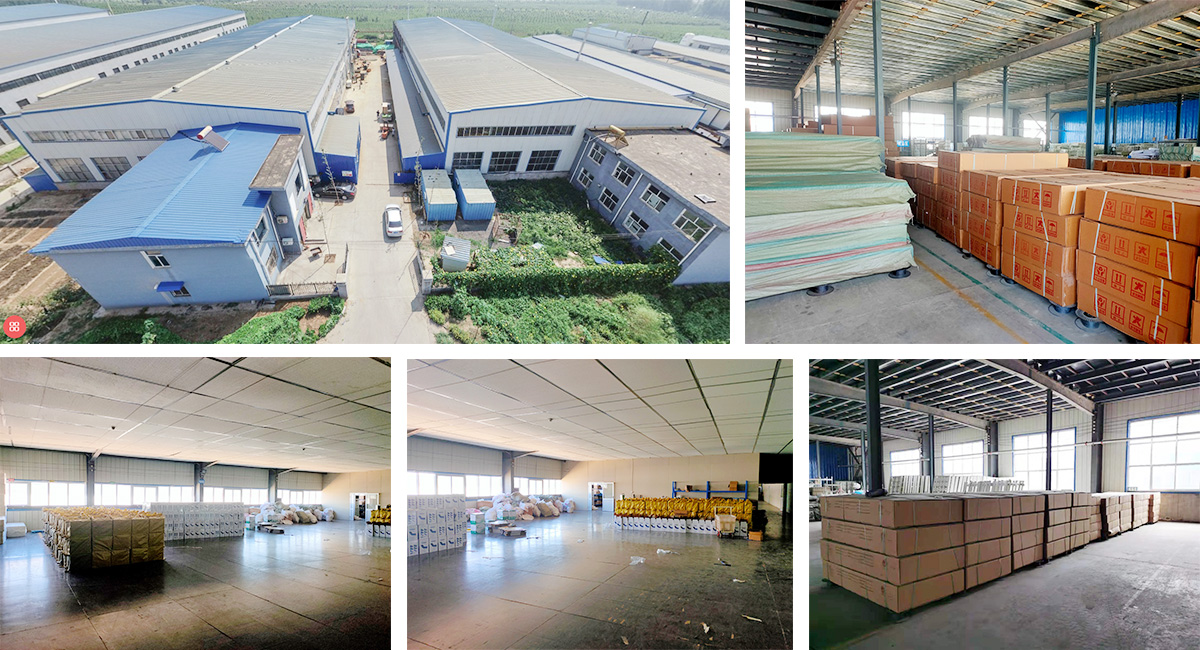
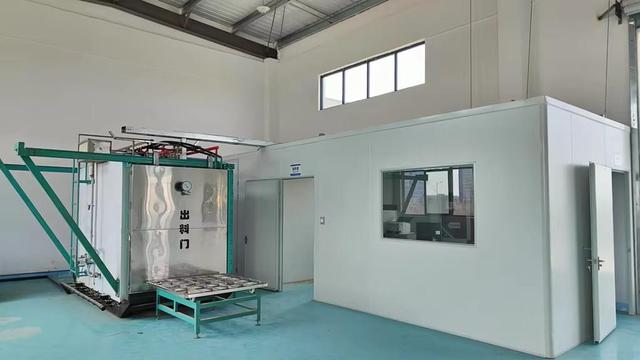
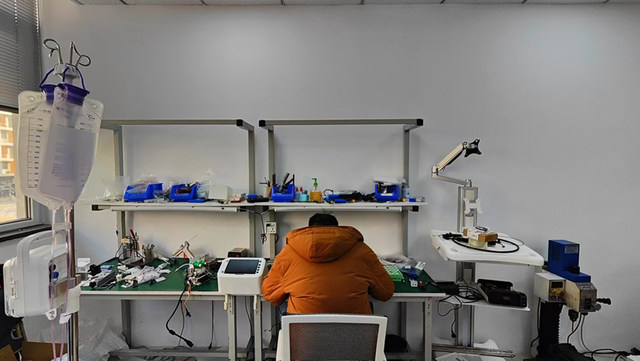
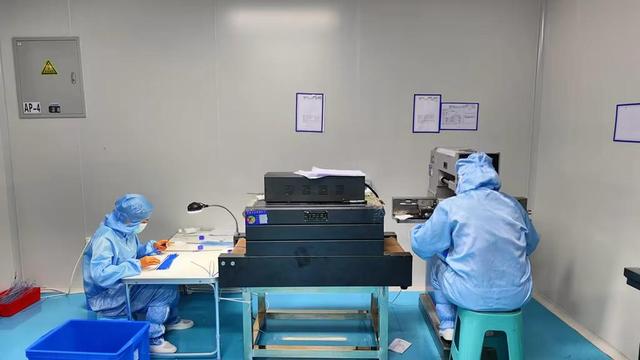
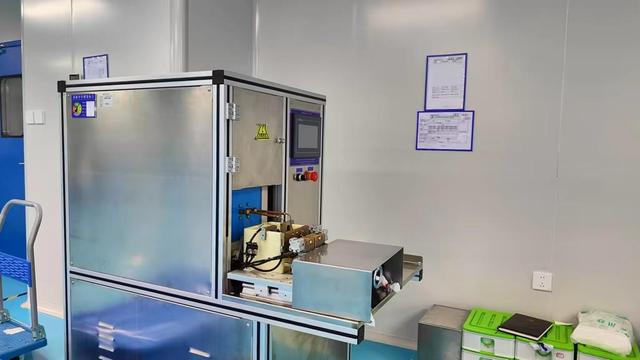
RosMed's state-of-the-art facilities implement lean manufacturing. Through digital integration, automation, and Class 100,000 (ISO Class 8) cleanrooms, we deliver consistent, sterile clinical consumables to the international market.
Human intervention is a primary contamination vector in medical manufacturing. By utilizing automated non-woven converting lines, we combine unwinding, laminating, tape application, aperture cutting, and folding into a single continuous process. This maintains cleanroom parameters while ensuring precise product dimensions.
Digital inspection cameras monitor web material in real-time, detecting micro-perforations, tension changes, or adhesive defects. Any unit deviating from product specifications is automatically flagged and rejected, ensuring only certified products proceed to sterile barrier packaging.
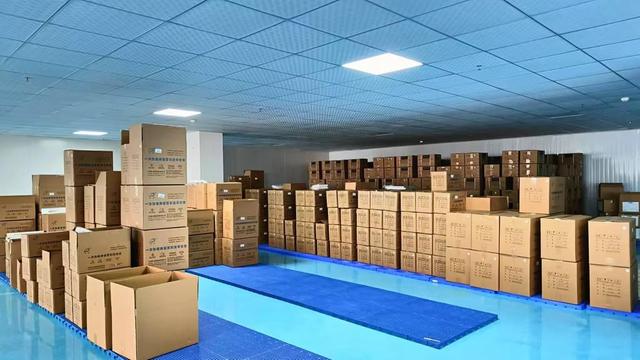
By keeping material sourcing, cleanroom manufacturing, sterilization, and container loading close together, we optimize logistics. This integration minimizes lead times and insulates international buyers from supply chain shocks, ensuring on-time delivery.
Different surgical disciplines require tailored barrier layouts. We design and manufacture specialized surgical drapes engineered for specific clinical workflows:
Featuring dual fenestrations, radial access site openings, and high-performance adhesive film, these drapes provide clear visualization and containment of large volumes of blood and irrigation fluids, keeping the sterile field intact during catheterization procedures.
Heavy-duty procedures involve significant manipulation and high fluid volumes. Orthopedic drapes incorporate elastomeric apertures that conform tightly to the patient's limbs, heavy reinforcement zones, and integrated fluid collection pouches with drain ports.
Designed with fluid collection pouches, fenestrations, and specialized folding configurations, these drapes allow rapid deployment in emergencies while providing a reliable barrier for infant delivery and maternal protection.
Common questions from international medical distributors, quality assurance managers, and sourcing officers.
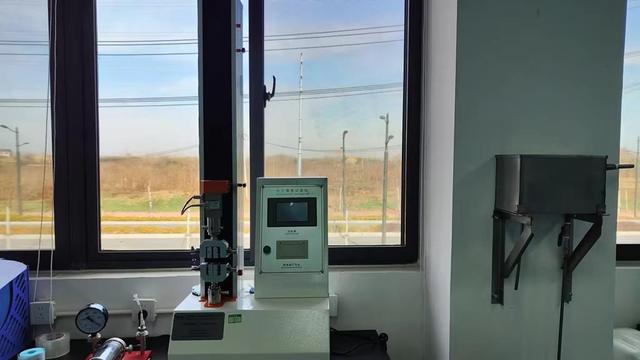
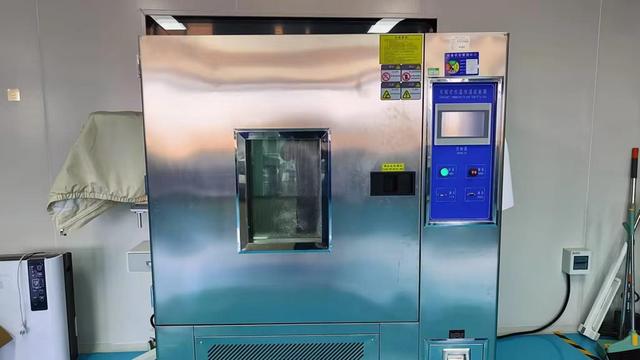
Our materials undergo regular testing according to EN 13795 and AAMI PB70 guidelines. We measure hydrostatic pressure resistance, synthetic blood penetration, microbial penetration (both wet and dry), linting index, and tensile strength. Test reports are available upon request during the audit phase.
We provide full customization, including custom dimensions, specialized die-cut apertures, integrated incise films, variable adhesion strength, targeted reinforcement positioning, component integration (such as tubing holders or fluid collections), and customized sterile packaging with private labeling.
We primarily use Ethylene Oxide (EO) sterilization, validated under ISO 11135. Every batch is tracked with chemical indicators, and biological indicator testing is performed before releasing any shipment to guarantee sterility.
Yes. Our manufacturing facilities are ISO 13485:2016 certified. We support our global partners with CE documentation, FDA 510(k) file submissions, and Certificate of Free Sale (FSC) documentation to facilitate local registration.
Standard lead times are 30 to 45 days, depending on custom material sourcing and complexity. We establish buffer-stock agreements for long-term contract partners to ensure prompt dispatch from our facilities.
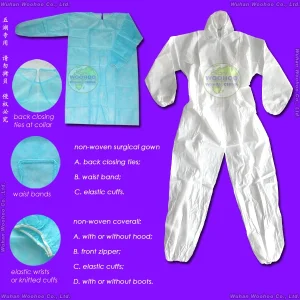
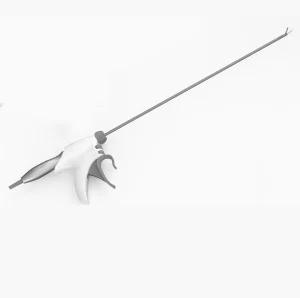
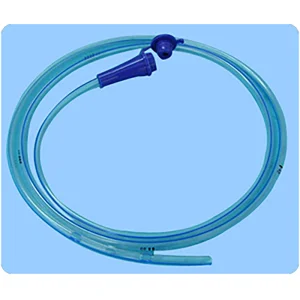
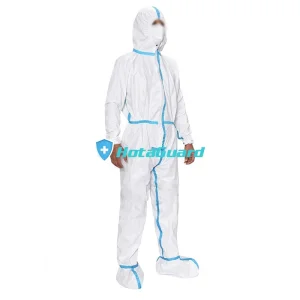
Explore our comprehensive range of protective wear, sterile surgical draping options, and specialized clinical devices.
 RosMed Medical