Ensuring clinical safety, optimal airway management, and high-barrier patient protection with advanced disposable medical solutions.

Your Trusted Partner in Medical Consumables & Airway Systems
Hangzhou RosMed Medical Co., Ltd. is a professional China medical consumables supplier specializing in disposable medical plastics, surgical non-woven products, and respiratory solutions. Since its establishment, RosMed has been committed to delivering safe, reliable, and high-quality healthcare products to global markets.
Over the years, the company has evolved from a focused manufacturer of basic disposable medical supplies into a comprehensive provider of integrated healthcare solutions. Through continuous investment in research and development, RosMed has expanded its product portfolio to cover urology consumables, anesthesia accessories, respiratory support components, and a wide range of non-woven and plastic medical products.
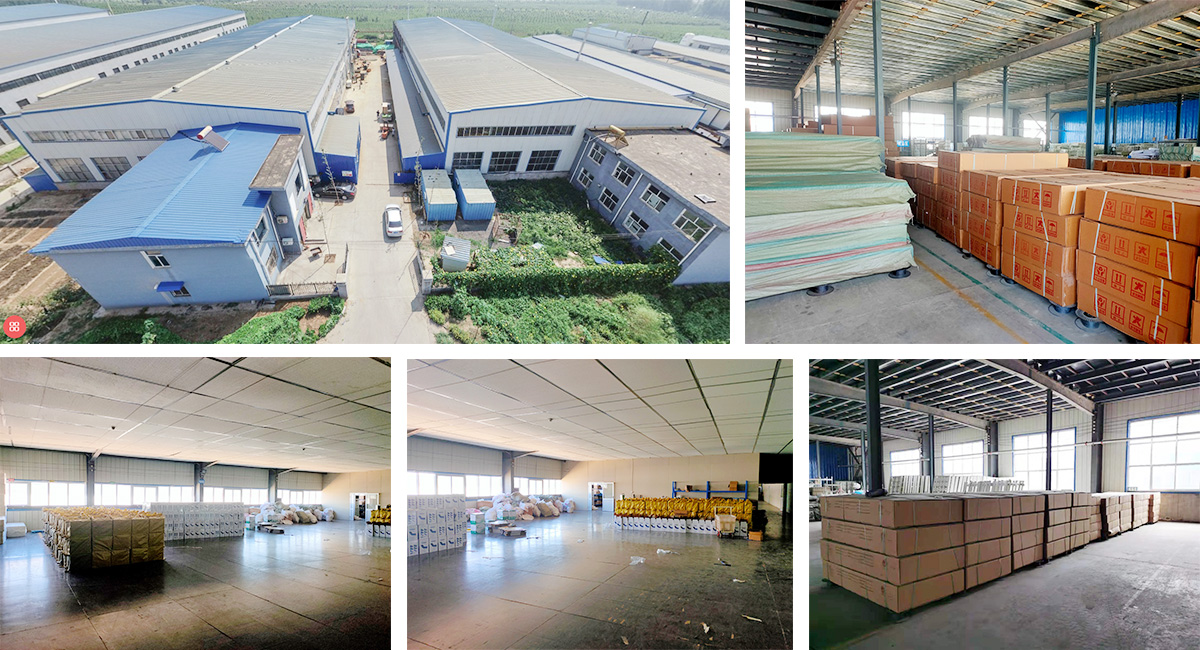
Each stage of our development reflects a strong commitment to innovation, quality improvement, and adaptation to international healthcare standards. With advanced production facilities and strict quality control systems, Hangzhou RosMed Medical Co., Ltd. ensures that all products meet global certifications and regulatory requirements. The company also actively supports OEM and ODM services, enabling partners to develop customized solutions tailored to specific market needs.
Precision execution and industry recognition in respiratory supply manufacturing.
Analyzing physical, material, and regulatory imperatives in life-critical medical devices.
Mechanical ventilation and anesthesia delivery depend fundamentally on the integrity of the airway interface. Tracheal tubes and breathing circuits are not passive conduits; they are functional components of the patient's respiratory pathway. When clinical teams execute endotracheal intubation, they bypass the upper respiratory system's natural filtration, humidification, and heating functions. Consequently, the chosen consumables must offer exceptional physical characteristics, including optimal thermal management, chemical inertness, and structural resistance to kinking and occlusion.
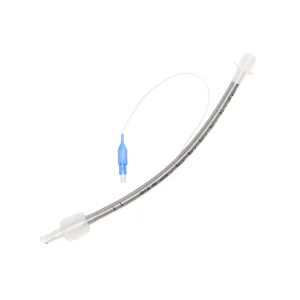
A high-quality Premium Disposable PVC Tracheal Tube with Cuff is engineered to minimize airway mucosal damage while preventing subglottic secretions from draining into the lungs. The cuff design must maintain a precise seal at pressures high enough to prevent micro-aspiration but low enough (ideally between 20 to 30 cmH2O) to prevent ischemia of the tracheal wall. Developing these balanced tolerances requires state-of-the-art polymer formulation, precision injection molding, and strict visual verification of inflation balloons and cuffs during manufacturing.
China has transitioned from a high-volume manufacturing exporter to an innovative leader in biomedical engineering. The cluster of medical device manufacturers in regions like Zhejiang benefits from mature chemical engineering networks, localized supply chains for medical-grade raw materials (such as DEHP-free PVC, medical-grade silicone, and premium SMS non-woven fabrics), and highly automated production processes. This allows Hangzhou RosMed Medical Co., Ltd. to implement intensive Quality Management Systems (QMS) that meet rigorous global standards.
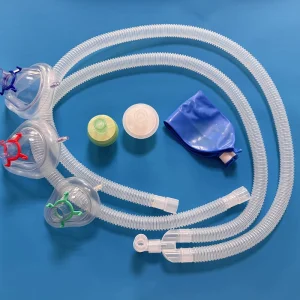
Our manufacturing advantages are rooted in scale, vertical integration, and advanced validation capabilities. Automated extrusion lines for breathing circuits ensure consistent inner diameters, minimizing turbulent airflow and dead space. Furthermore, inline visual inspection systems detect microscopic wall thickness deviations in real-time, preventing the risk of circuit kinking during critical ICU procedures. By streamlining raw material procurement and production, we supply cost-effective medical consumables without compromising the structural integrity required in operating theaters worldwide.
Regulatory alignment is the cornerstone of reliability in medical consumables. In the European Union, the transition to the Medical Device Regulation (EU) 2017/745 (MDR) has raised the standards for clinical validation and biological safety assessments. In the United States, FDA 510(k) clearances mandate rigorous testing for biocompatibility, chemical characterization, and mechanical strength. Suppliers must prove that components in the gas pathway do not leach harmful plasticizers, such as volatile organic compounds (VOCs) or phthalates, into the patient's lungs.
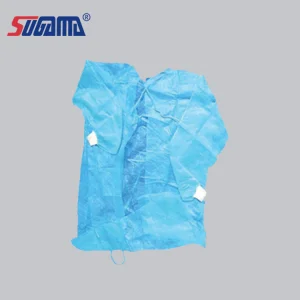
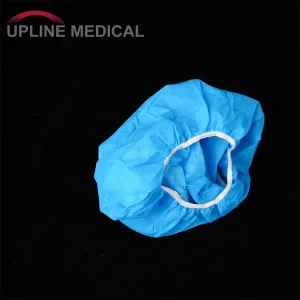
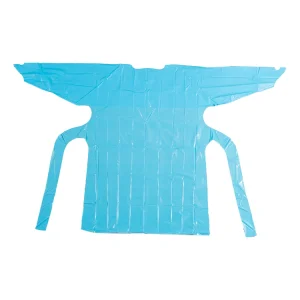
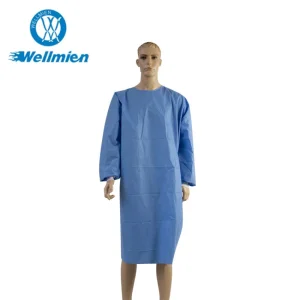
For non-woven protective barriers, compliance with the ANSI/AAMI PB70 standard is critical. The liquid barrier performance of surgical gowns is categorized from Level 1 to Level 4. AAMI Level 4 sterile surgical gowns are tested for viral penetration resistance (ASTM F1671) and blood penetration resistance (ASTM F1670). These gowns provide fluid-tight barrier protection during high-fluid, long-duration orthopedic or cardiothoracic surgeries, protecting healthcare workers from infectious blood-borne pathogens.
Visualizing our cleanroom environments, material testing, and logistical processes to ensure compliance.
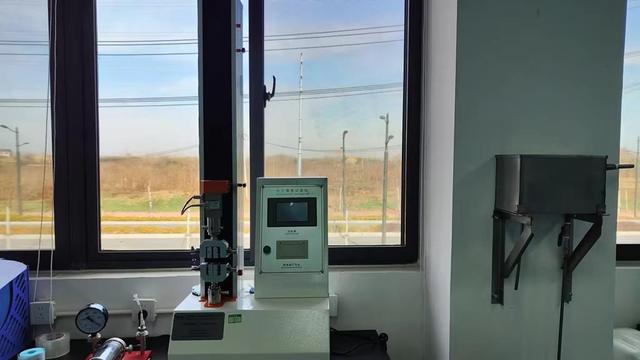
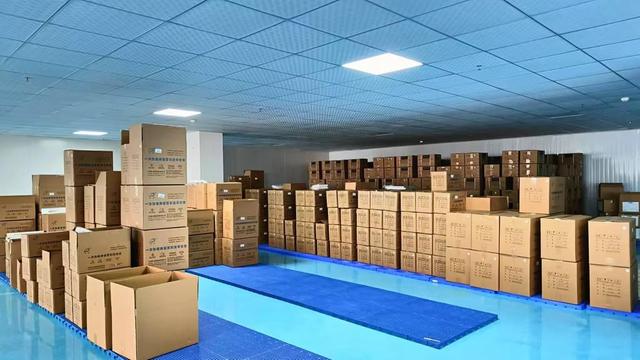
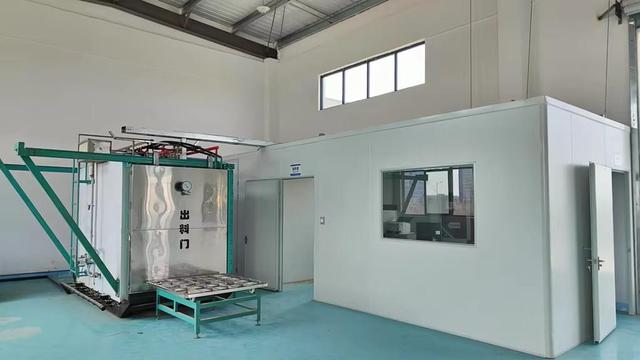
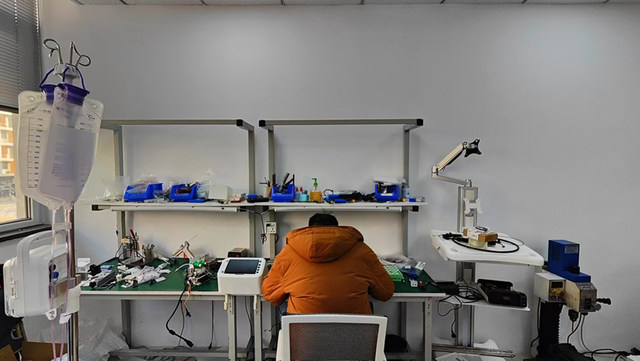
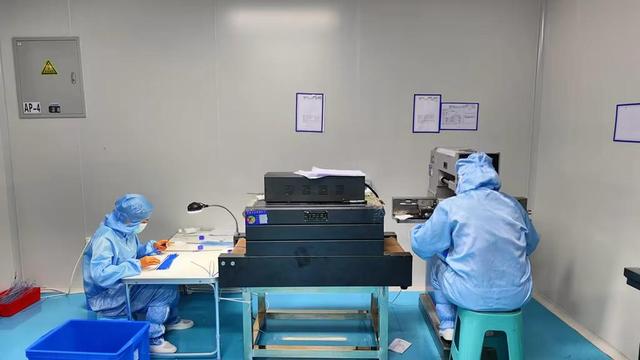
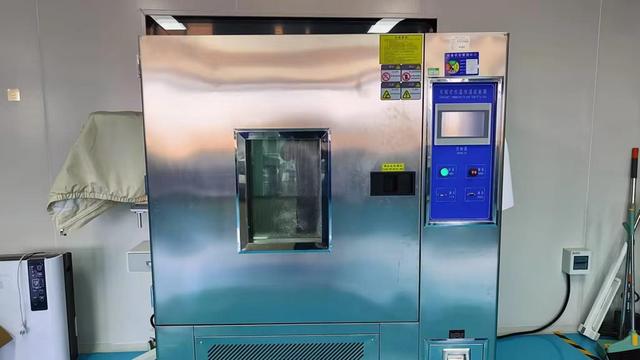
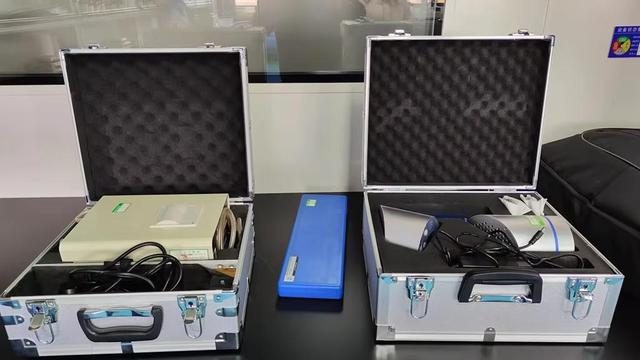
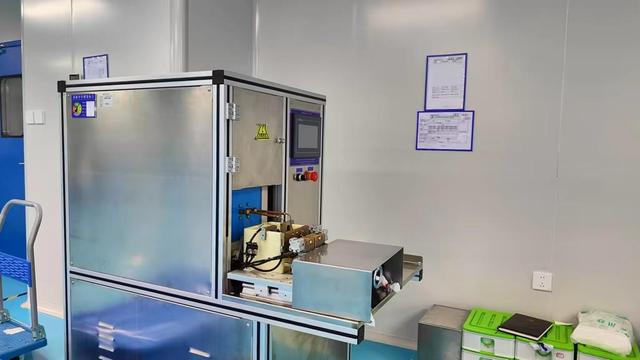
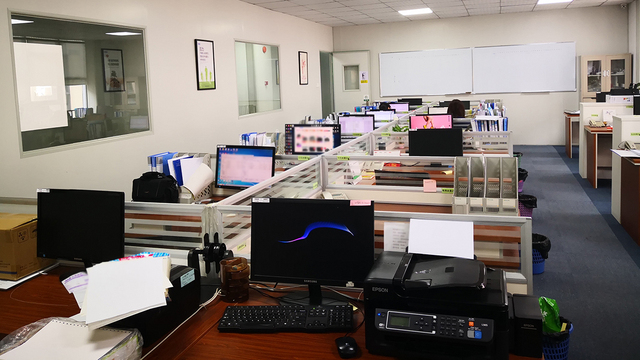

Tailored respiratory solutions optimized for diverse healthcare settings globally.
ICU environments require continuous mechanical ventilation for critically ill patients. Our durable breathing circuits, bacteria filters, and high-volume tracheal tubes are built to support multi-day ventilation runs. They are designed to minimize condensation and prevent ventilator-associated pneumonia (VAP), a common risk in long-term patient care.
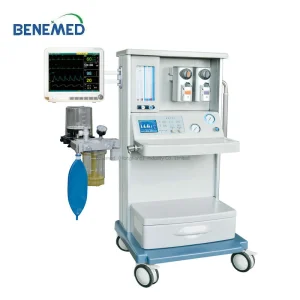
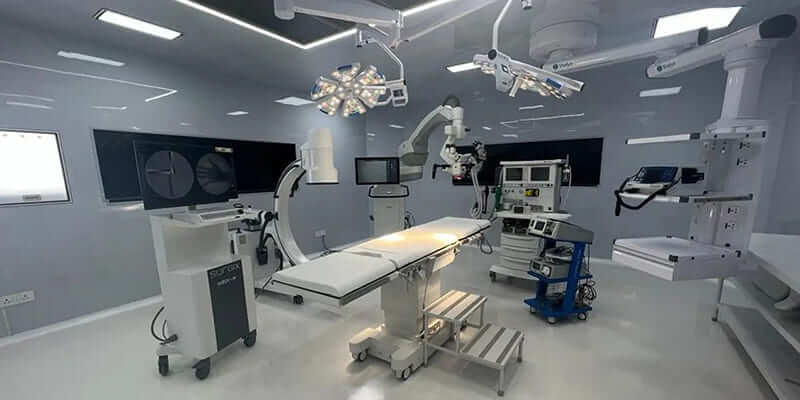
In operating rooms, anesthesiologists require reliable breathing circuits that prevent gas leakage and integrate seamlessly with anesthesia workstations. Our products deliver consistent compliance, low resistance to flow, and clear structural components for visual inspection, supporting safe surgical procedures.
Pediatric patients require highly precise ventilation with low tidal volumes. Our specialized pediatric breathing circuits feature reduced dead space and flexible compliance. Designed with soft, biocompatible components, they protect sensitive neonatal airways from barotrauma and skin irritation.
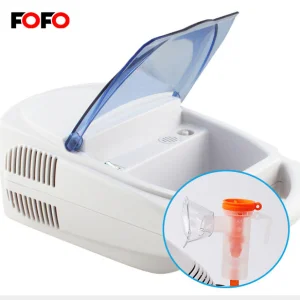
Chronic conditions like COPD and asthma require easy-to-use home care devices. Our user-friendly nebulizers and oxygen masks are designed for comfortable home therapy. They deliver consistent aerosol medication and oxygen flow, supporting patient compliance and independent care.
How technical innovations and ecological standards are shaping the future of global supply chains.
Driven by global sustainability targets, research is focusing on plant-derived elastomers and green PVC. These materials maintain medical-grade performance while reducing carbon emissions and waste in healthcare facilities.
Advanced polymers are being developed with embedded silver ions or specialized coatings. These antimicrobial materials prevent biofilm formation on endotracheal tubes and breathing circuits, reducing the risk of hospital-acquired infections.
Smart hospitals are adopting RFID-tagged consumables to track usage and monitor expirations in real time. This integration improves clinical workflow, simplifies inventory management, and enhances patient safety across hospital networks.
Addressing common technical and regulatory questions for medical procurement officers.
Complete surgical gowns, respiratory setups, and specialized diagnostic systems for healthcare facilities.
 RosMed Medical