Discover our highly precise medical components, surgical instruments, and therapeutic technologies certified to the most rigorous standards.
Modern clinical science has witnessed a foundational shift in wound care management, departing from traditional dry healing methods (represented by conventional woven gauze) towards moist wound healing paradigms. Originally documented in pioneering clinical research, the maintenance of a humid microenvironment has been proven to accelerate re-epithelialization, promote autolytic debridement, and significantly reduce scar tissue formation. At the center of this transformation lies the manufacturing capability of high-performance Non-Woven Wound Dressings.
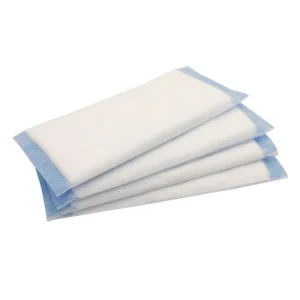
Unlike traditional textiles, non-woven materials are engineered structures built directly from fibers. In advanced sterile dressing factories, fiber matrix configurations (including spunlace, needlepunch, and meltblown technologies) are precisely combined to yield dressings with superior fluid absorption capacity, high air permeability, and mechanical integrity that does not slough off or deposit stray lint into the wound bed. This technical evolution satisfies the demanding standards of contemporary healthcare institutions globally, prioritizing patient comfort while reducing dressing frequency to lower total cost of care.
Maintains the optimal biological moisture level to accelerate cellular migration and reduce treatment recovery windows.
Advanced absorption levels handle highly viscous exudates, preventing maceration of surrounding skin tissues.
Multi-layered non-woven matrices act as physical barriers against external microbial and liquid contamination.
Entering the European economic area for sterile medical products demands absolute compliance with the **EU Medical Device Regulation (MDR) 2017/745**, which has replaced the older Medical Devices Directive (MDD 93/42/EEC). For B2B procurement professionals, partnering with a factory that merely claims to have a "CE certificate" is insufficient. Sourcing directors must verify the exact classification and scope of the certification under the MDR regime.
Depending on their functional intent, non-woven wound dressings fall under different classification rules:
To secure a valid CE certification certificate, a reputable factory must successfully undergo regular audits from a designated Notified Body (such as TÜV SÜD, SGS, or BSI). Essential points of verification include:
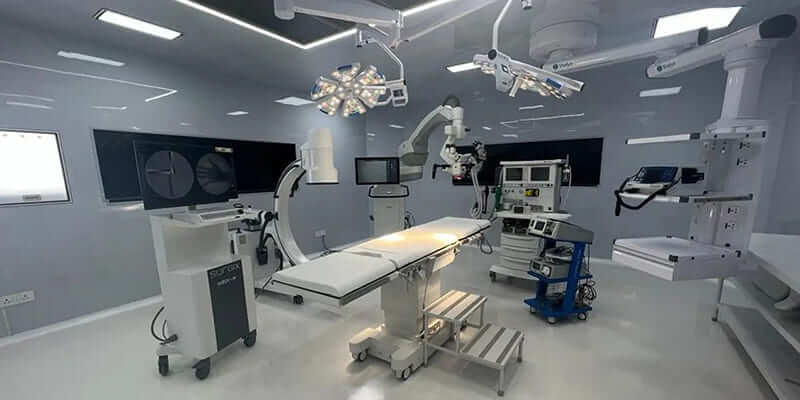
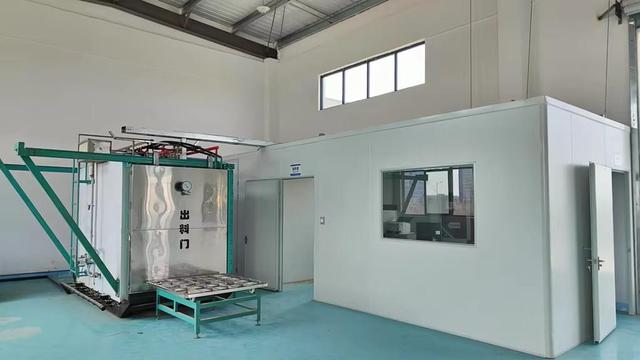
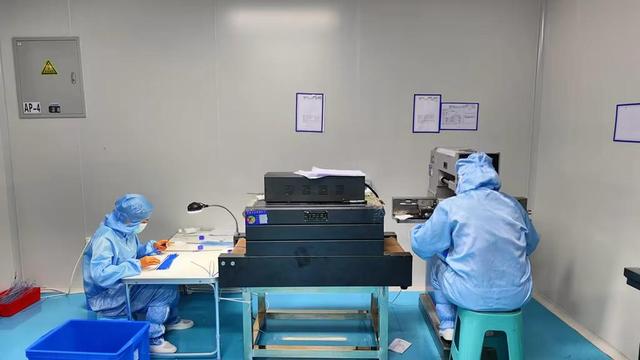
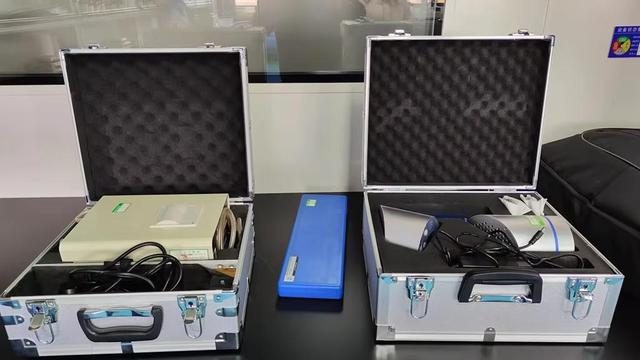
A premier sterile non-woven wound dressing factory is defined by its cleanroom infrastructure and automation level. Contamination control is crucial; even minor microbial or particulate contamination can lead to severe infections for the end-user.
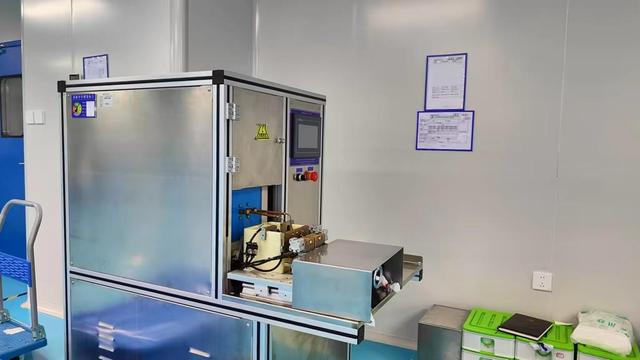
Advanced non-woven slitting, shaping, folding, and primary packaging lines must reside in controlled positive-pressure cleanrooms (ISO Class 8/Class 100,000 standard). High-Efficiency Particulate Air (HEPA) filtration systems ensure strict control over air changes, dust concentrations, humidity, and temperature. Regular environmental monitoring (viable and non-viable counts) ensures the bioburden of dressings is minimized prior to the sterilization step.
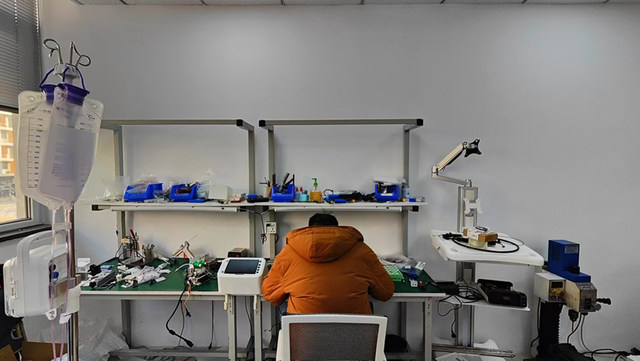
Precision medical production relies heavily on automated roll-to-pack operations. Automated web-handling equipment tensions the non-woven substrate, applies medical-grade hypoallergenic acrylic or silicone adhesives, cuts the material to precise millimeter specifications, and seals the individual dressings in medical-grade paper-plastic pouches. This minimizes direct human handling, reducing contamination risk and ensuring product uniformity.
Hangzhou RosMed Medical Co., Ltd. is a professional China medical consumables supplier specializing in disposable medical plastics, surgical non-woven products, and respiratory solutions. Since its establishment, RosMed has been committed to delivering safe, reliable, and high-quality healthcare products to global markets.
Over the years, the company has evolved from a focused manufacturer of basic disposable medical supplies into a comprehensive provider of integrated healthcare solutions. Through continuous investment in research and development, RosMed has expanded its product portfolio to cover urology consumables, anesthesia accessories, respiratory support components, and a wide range of non-woven and plastic medical products. Each stage of its development reflects a strong commitment to innovation, quality improvement, and adaptation to international healthcare standards.
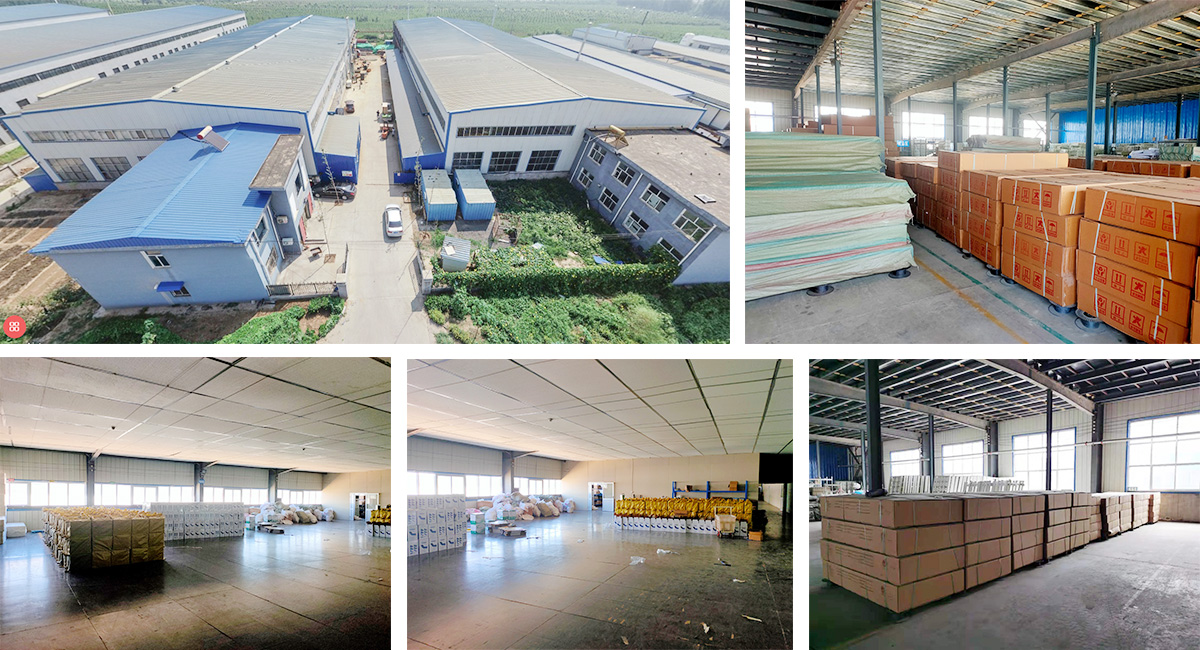
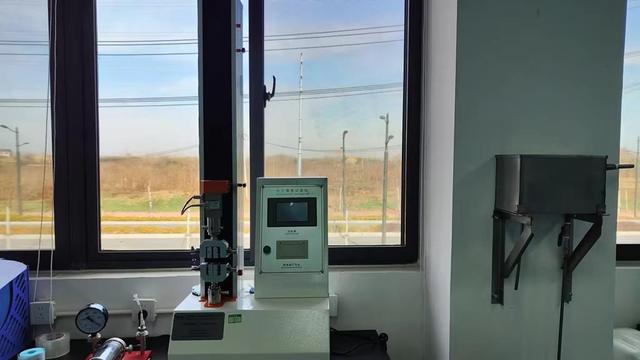
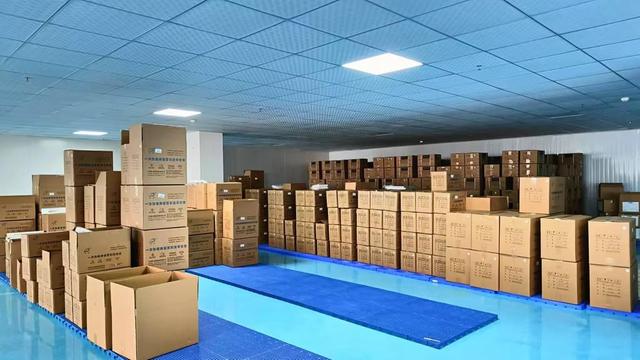
With advanced production facilities and strict quality control systems, Hangzhou RosMed Medical Co., Ltd. ensures that all products meet global certifications and regulatory requirements. The company also actively supports OEM and ODM services, enabling partners to develop customized solutions tailored to specific market needs.
Driven by a customer-centric philosophy, RosMed has built long-term partnerships with distributors, hospitals, and healthcare organizations worldwide. Today, it continues to grow as a trusted supplier in the medical consumables industry, dedicated to improving patient safety and supporting modern healthcare systems globally.

As healthcare systems face increasing pressure from aging populations and chronic diseases, wound dressing technology must evolve rapidly. Leading manufacturing facilities are actively transitioning from passive barriers to functional, smart platforms.
Integrating nano-silver, polyhexamethylene biguanide (PHMB), or medical honey within non-woven matrices to control bioburden without promoting local bacterial resistance.
Developing natural non-woven fibers from sources like polylactic acid (PLA), bamboo, or seaweed-derived alginates, addressing healthcare carbon footprint targets.
Incorporating microfluidic pathways or colorimetric pH indicators within the dressing to signal infection or wound dryness without requiring removal.
Sourcing from medical device factories in China demands a balanced assessment of unit cost, regulatory credentials, and supply chain reliability. Use this verified checklist during factory assessments:
Technical and regulatory FAQs for international healthcare procurement managers and distributors.
Under the EU Medical Device Regulation (MDR 2017/745), sterile non-woven dressings are subject to stricter clinical evaluation guidelines, continuous post-market surveillance (PMS), and mandatory registration within the EUDAMED database. Additionally, manufacturers must implement Unique Device Identification (UDI) tracking and undergo more comprehensive Notified Body audits compared to the historical Medical Device Directive (MDD).
Spunlace non-woven materials utilize high-pressure micro-water jets to entangle fibers, eliminating the need for chemical adhesives or binders. This process produces a soft, breathable, and highly absorbent fabric. Critically, it has very low linting characteristics, which prevents loose fibers from adhering to the healing wound bed—a common issue with needlepunch or traditional woven fabrics.
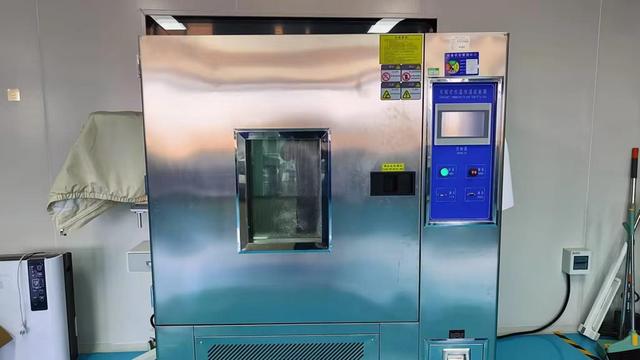
A valid EtO sterilization certificate must verify compliance with EN ISO 11135. Sourcing managers should inspect parameters including gas concentration, chamber humidity levels (typically 40%–80%), temperature (usually between 37°C–55°C), total exposure duration, and the subsequent aeration duration. Aeration is critical to ensure that carcinogenic Ethylene Oxide gas residuals remain well below regulatory exposure thresholds.
No. Under both MDD and MDR rules, any medical device with a "Sterile" aspect (Class Is) requires the direct involvement of a designated Notified Body. The Notified Body audits and certifies the aspects of manufacturing related to securing and maintaining sterile conditions (such as the cleanroom environment, sterilization processes, and sterile barrier packaging systems).
Factories submit raw material samples to accredited testing facilities for ISO 10993 testing. Key required assessments for non-woven wound dressings include: ISO 10993-5 (In Vitro Cytotoxicity testing to confirm the material does not kill healthy cells), ISO 10993-10 (Skin Sensitization assays to confirm the material does not cause allergic responses over time), and ISO 10993-23 (Irritation tests to ensure the dressing is non-irritating to injured tissues).
Explore our broader selection of medical consumables, breathing accessories, surgery systems, and clinical equipment designed to ensure clinical safety.
 RosMed Medical