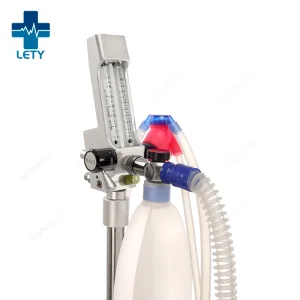
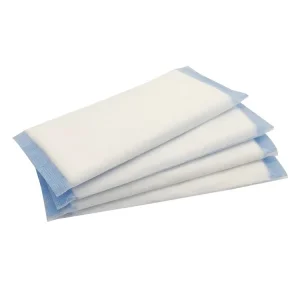
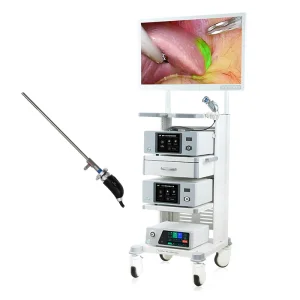
Industry-standard clinical solutions for modern healthcare systems.
Global Market Value (2024)
Projected CAGR to 2030
Utilization in Critical Care
Standard Compliance Rate
The global disposable medical supplies industry has undergone a radical transformation post-pandemic. Once considered simple commodities, products like surgical drapes, endotracheal tubes, and wound drainage systems are now recognized as critical infrastructure for infection control. Factories in China, led by hubs like Hangzhou, have evolved from low-cost manufacturers to R&D powerhouses, integrating AI-driven quality inspection and eco-friendly polymer technology.
Hangzhou RosMed Medical Co., Ltd. stands as a professional China medical consumables supplier specializing in disposable medical plastics, surgical non-woven products, and respiratory solutions. Since its establishment, RosMed has been committed to delivering safe, reliable, and high-quality healthcare products to global markets.
Over the years, the company has evolved into a comprehensive provider of integrated healthcare solutions, covering urology consumables, anesthesia accessories, and respiratory support components.
Shift toward biodegradable polymers and recyclable non-woven fabrics to reduce the environmental footprint of medical waste.
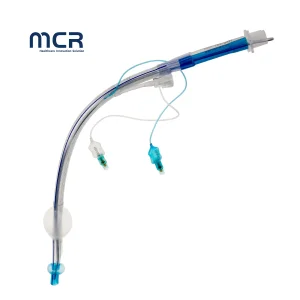
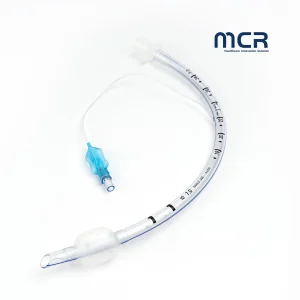
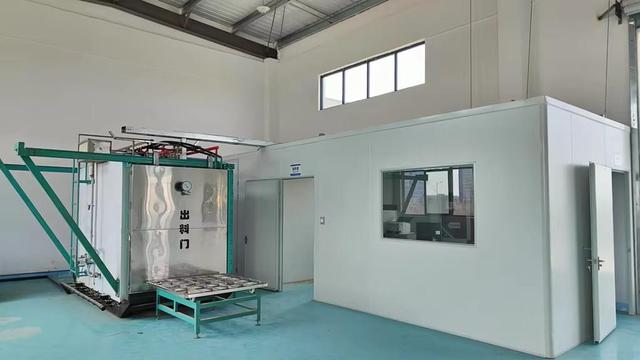
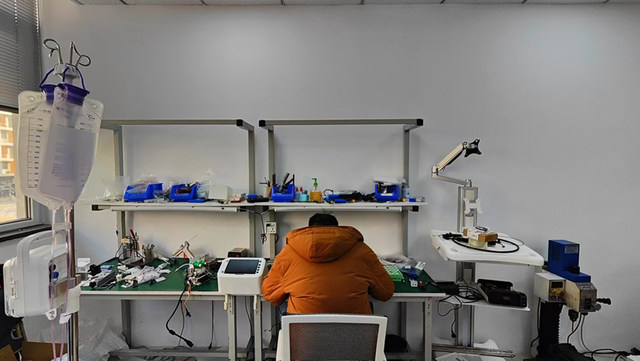
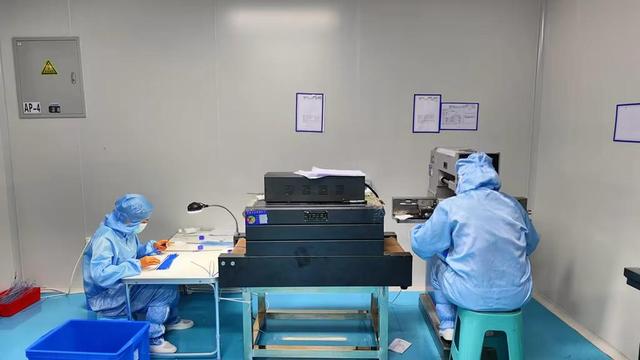
Integration of IoT and AI in cleanroom environments to ensure zero-defect production of high-precision components like endotracheal tubes.
Advanced nanotechnology-based coatings on catheters and wound drains to actively prevent hospital-acquired infections (HAIs).
Navigating the complex landscape of international medical trade requires more than just manufacturing capacity. Top-tier exporters provide a holistic ecosystem:



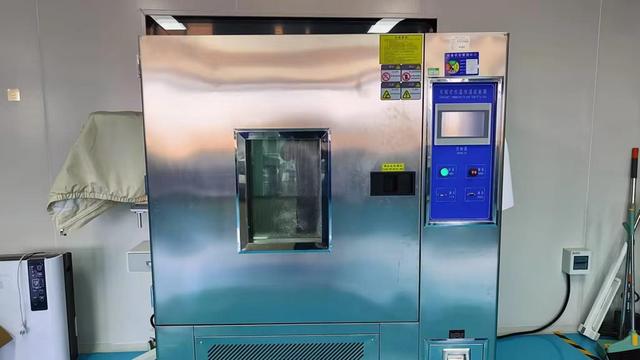
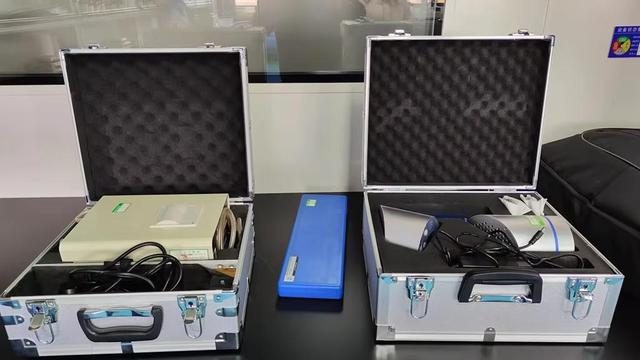
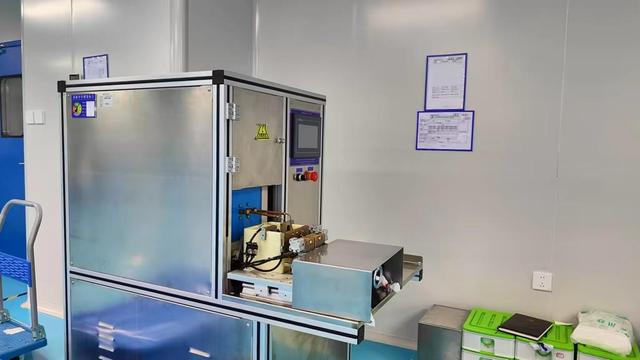
The gold standard is ISO 13485 for medical device quality management systems. Furthermore, exporters must comply with the EU Medical Device Regulation (MDR) for the European market and FDA registration for the US, ensuring full traceability and biocompatibility of materials.
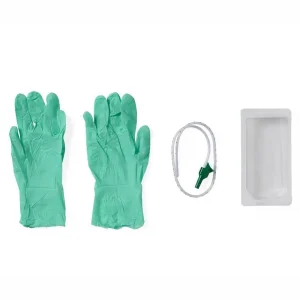
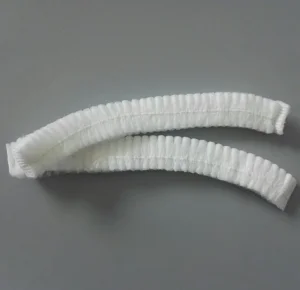
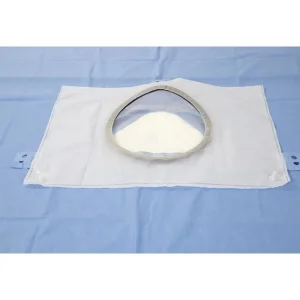
Disposable items, such as sterile suction catheters and incision surgical drapes, are designed for single-use to eliminate the risk of cross-contamination. Modern non-woven fabrics like SMS offer high barrier performance against pathogens while maintaining breathability.
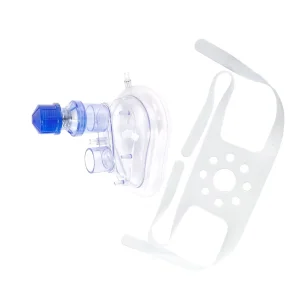
Yes. Top manufacturers like Hangzhou RosMed offer Plastic Injection Molding services for medical-grade components. This allows for the development of proprietary designs for anesthesia masks, respiratory connectors, and surgical drain housings.
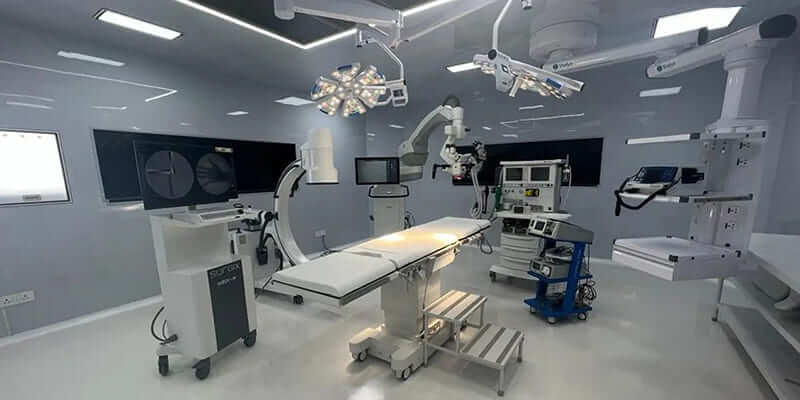
High-precision equipment and specialized consumables for surgical precision.
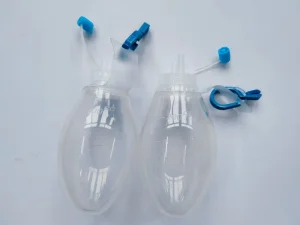
Driven by a customer-centric philosophy, Hangzhou RosMed has built long-term partnerships with distributors, hospitals, and healthcare organizations worldwide. In the complex ecosystem of global health, the transition from basic medical manufacturing to advanced, tech-integrated production is not just a trend but a necessity for patient safety. As the demand for Negative Pressure Wound Therapy and Conscious Sedation Systems grows, the "Top 10" factories of the future will be defined by their ability to provide information gain, technical reliability, and unwavering ethical standards.

 RosMed Medical