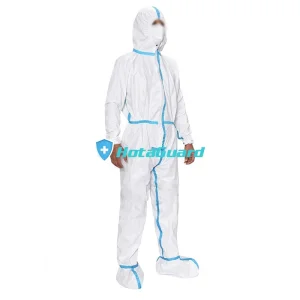
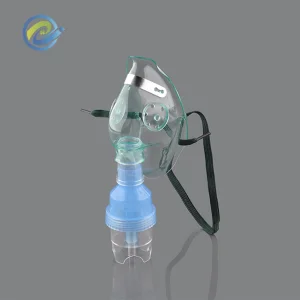
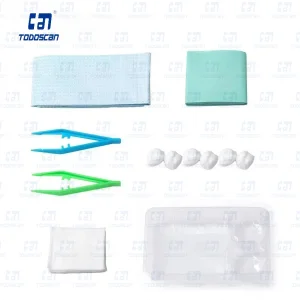
Engineered to international standards for immediate integration into regional hospitals and remote health outposts.
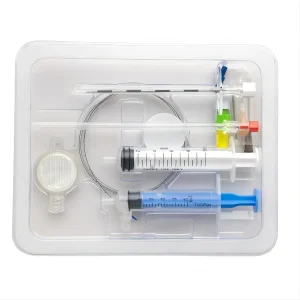
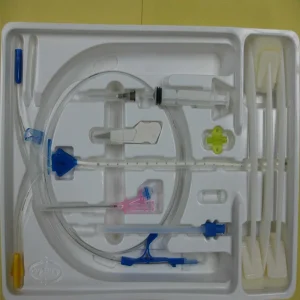
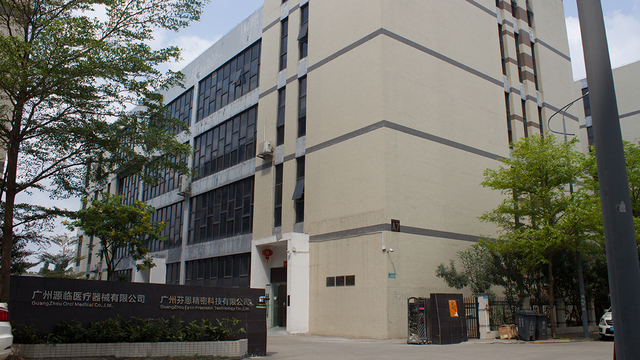
Hangzhou RosMed Medical Co., Ltd. is a professional China medical consumables supplier specializing in disposable medical plastics, surgical non-woven products, and respiratory solutions. Since its establishment, RosMed has been committed to delivering safe, reliable, and high-quality healthcare products to global markets.
Over the years, the company has evolved from a focused manufacturer of basic disposable medical supplies into a comprehensive provider of integrated healthcare solutions. Through continuous investment in research and development, RosMed has expanded its product portfolio to cover urology consumables, anesthesia accessories, respiratory support components, and a wide range of non-woven and plastic medical products. Each stage of its development reflects a strong commitment to innovation, quality improvement, and adaptation to international healthcare standards.
With advanced production facilities and strict quality control systems, Hangzhou RosMed Medical Co., Ltd. ensures that all products meet global certifications and regulatory requirements. The company also actively supports OEM and ODM services, enabling partners to develop customized solutions tailored to specific market needs.
Driven by a customer-centric philosophy, RosMed has built long-term partnerships with distributors, hospitals, and healthcare organizations worldwide. Today, it continues to grow as a trusted supplier in the medical consumables industry, dedicated to improving patient safety and supporting modern healthcare systems globally.
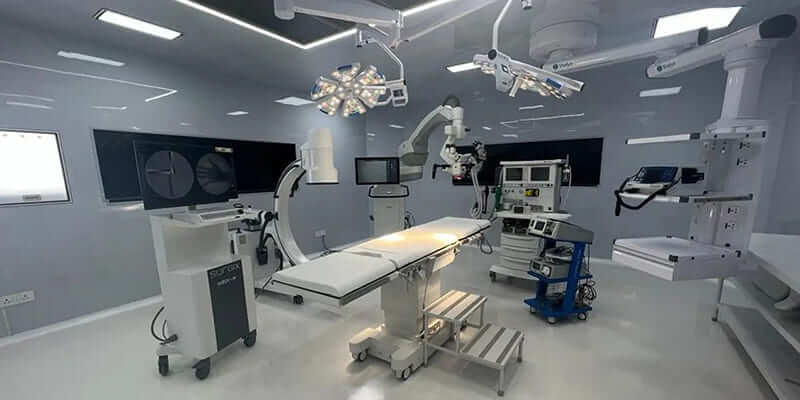
Lesotho's mountainous terrain isolates rural clinics. Lightweight, fully-sterilized, integrated disposable kits reduce dependence on complex autoclave setups in remote districts.
Aligned with Lesotho National Health Strategic Guidelines, maximizing single-use kits limits hospital-acquired infections (HAIs) in under-staffed regional clinical centers.
Replacing individual component sourcing with consolidated medical kits cuts clearance delays, simplifies local inventory tracking, and stabilizes national budget allocations.
Lesotho’s unique geography—colloquially known as the "Kingdom in the Sky"—poses unique logistical hurdles for healthcare distribution. Major urban hospitals such as the Queen 'Mamohato Memorial Hospital in Maseru act as tertiary referral hubs, but the backbone of the nation's primary healthcare relies on rural health centers scattered across high-altitude regions like Thaba-Tseka and Mokhotlong. To serve these areas, clinical personnel must have access to ready-to-use, sterilised kits that require zero post-purchase processing or autoclaving.
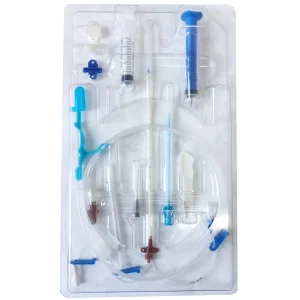
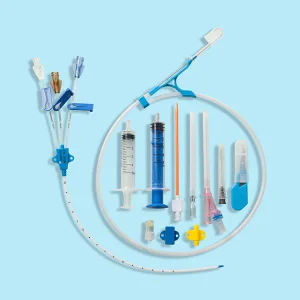
Epidemiological demands in the Southern African Development Community (SADC) region dictate robust diagnostics and infection barriers. High HIV and tuberculosis co-infection rates require strict protocols around vascular access and surgical interventions. Using premium, disposable kits like our Central Venous Catheter (CVC) sets and SMS surgical garments helps reduce the transmission vector of healthcare-associated infections (HAIs), protecting both patients and frontline practitioners.
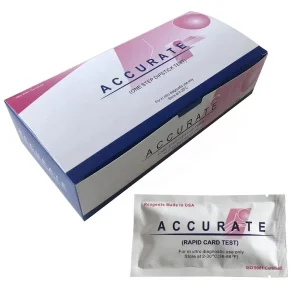
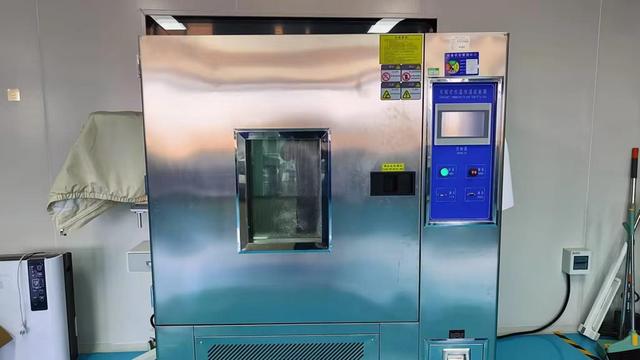
Furthermore, climate-driven fluctuations in vector-borne diseases highlight the need for rapid diagnostic tools. Malaria diagnostic kits and general specimen collection assemblies must operate under diverse ambient conditions without losing efficacy. This requires suppliers to provide strict validation of moisture barrier packaging and thermal resistance profiles suitable for transport across Southern Africa's rugged landscapes.
Custom-engineered assemblies for urological, anesthetization, and critical care units.
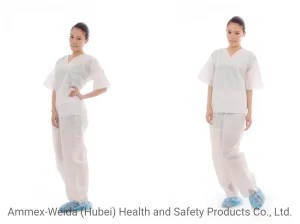
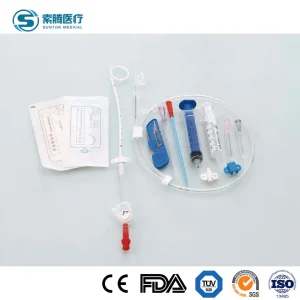
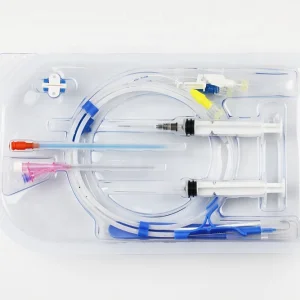
By using raw materials certified under ISO 13485 and operating cleanroom production facilities, RosMed bridges the gap between cost-efficiency and clinical performance. Working with a Chinese manufacturer gives medical buyers in Lesotho access to specialized production scales that keep per-unit costs low, even during supply chain spikes.
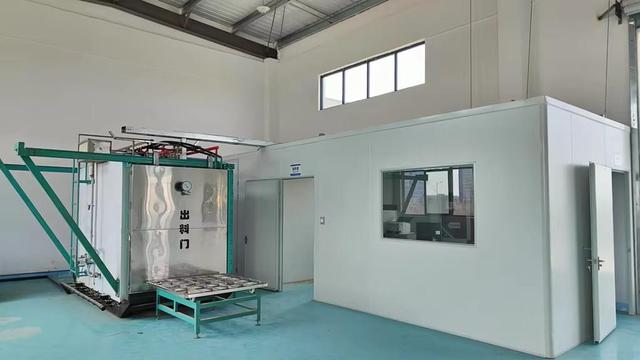
Every kit batch is sterilized using validated Ethylene Oxide (EO) or Gamma irradiation methods, accompanied by chemical indicator strips and lot traceability reports. We ensure that our export packages match the sea and land transport conditions required for container shipments via the Port of Durban, followed by cross-border transport into Maseru.
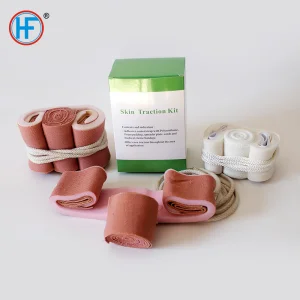
In rural clinics, medical staff often perform multi-role tasks. Standardizing on pre-configured procedural trays (e.g., wound dressing or venous access sets) reduces set-up times and helps maintain clean environments even when local facilities lack running water or dedicated sterilization equipment. This structural efficiency is critical for community health posts in districts like Berea and Quthing.
Fully compliant with international medical standards, complete with tracking codes and sterilization certifications.
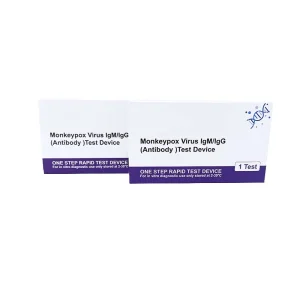
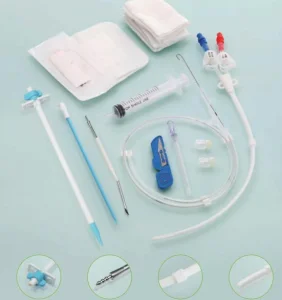
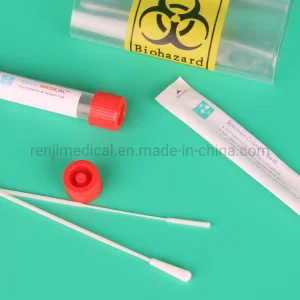
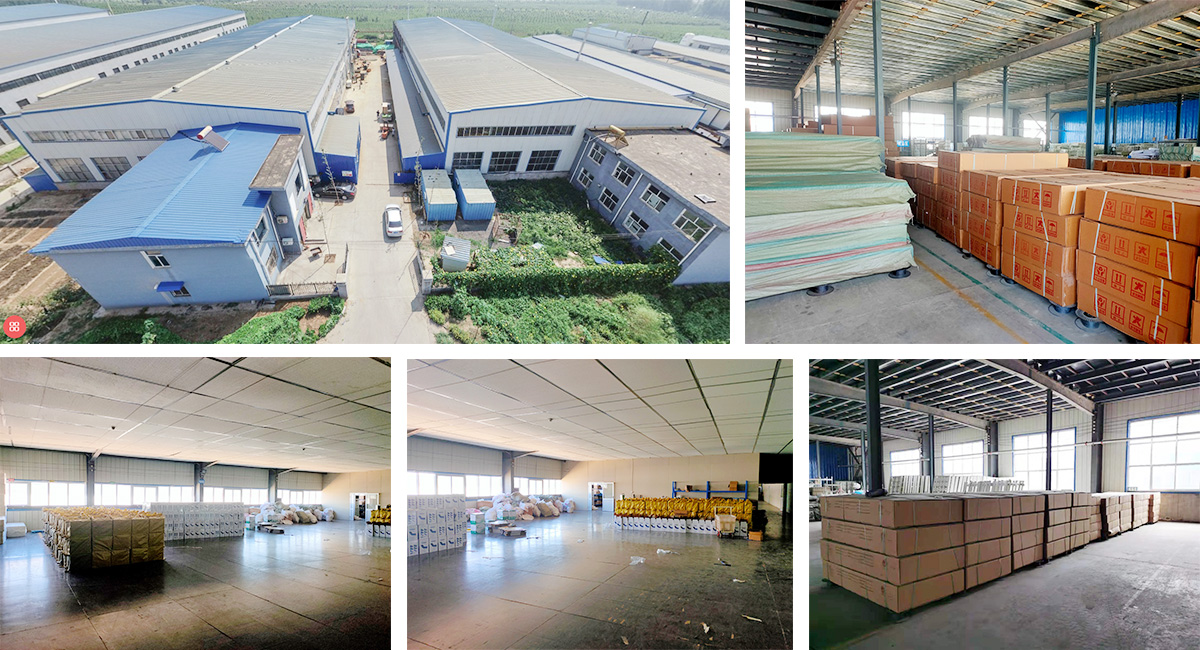
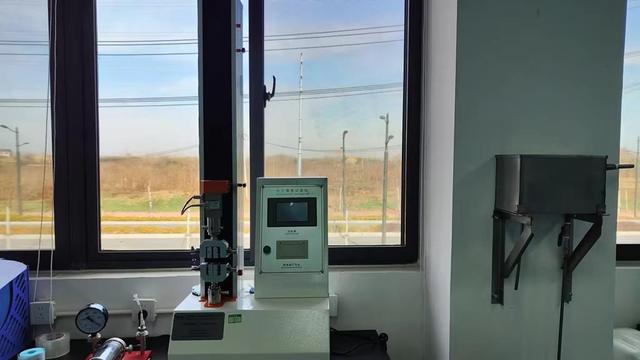
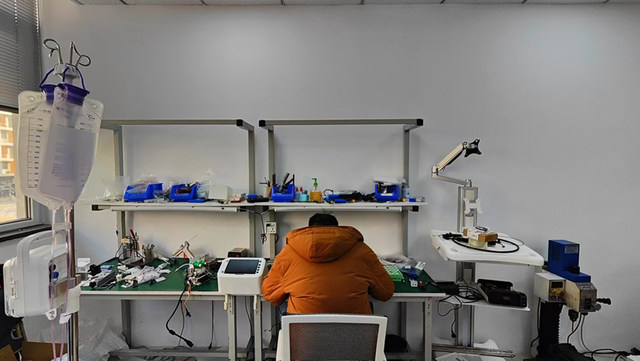
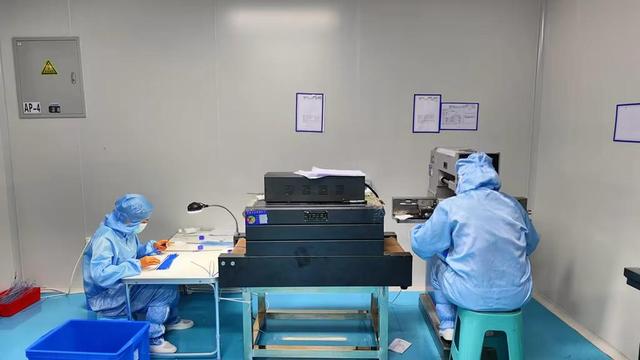
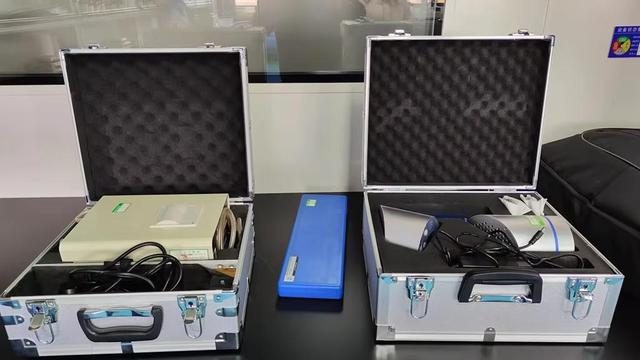
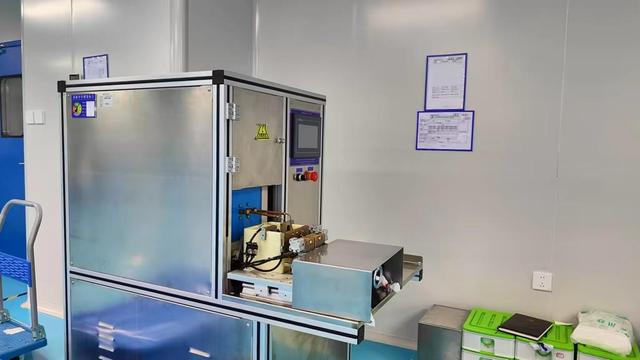
Our production facilities maintain Class 100,000 cleanroom environments. Each step—from injection molding to automated pouch sealing and gas sterilization—is documented to ensure clinical safety.
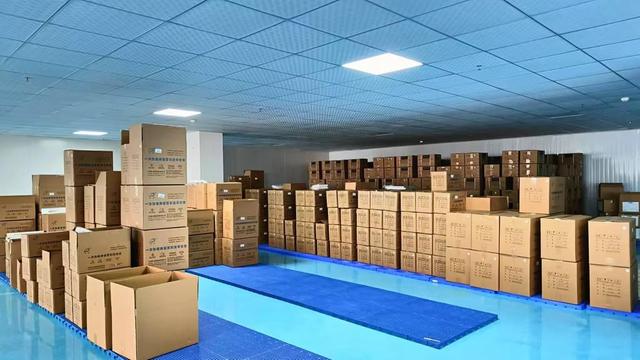
International procurement agents and Ministry of Health representatives sourcing products for Lesotho face specific challenges in maintaining cold chains, clearance processing, and product tracking. When ordering from China, the total landed cost depends on choosing the right freight corridors and confirming compliance with regional quality agencies.
Medical devices imported into the SADC common market must meet recognized regulatory benchmarks. Products from Hangzhou RosMed Medical Co., Ltd. are certified to CE (EU MDR) standards and ISO 13485, simplifying local registration with Southern African regulatory authorities and international NGO donors.
For large sea shipments, shipping to the Port of Durban, South Africa, is the standard route. From Durban, cargo is transported by truck via the Free State province to Maseru or other border posts (like Maputsoe). We use heavy-duty pallets and double-corrugated shipping boxes to protect products against friction and temperature changes during land transport.
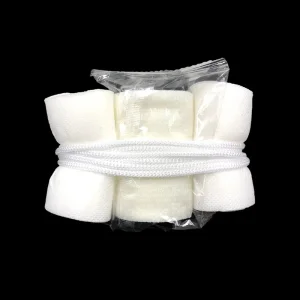
Procuring pre-configured kits helps match surgical sets to local clinical protocols. For example, our wound care packs can be configured with specific counts of non-woven swabs, forceps, and drape sizes to match regional surgical standard operating procedures (SOPs).
Technical and commercial answers for healthcare procurers, distributors, and hospital operations managers in Lesotho.
 RosMed Medical