Immediate export solutions ready for deployment across clinical networks and non-governmental medical distribution centers in the RDC.
The Democratic Republic of Congo (DR Congo) represents one of the most dynamic yet infrastructure-challenged public health markets in Central Africa. With a population exceeding 100 million, the requirement for basic, sterile medical consumables is massive and expanding. The country relies heavily on imports for plastic medical components, as local manufacturing capacity is restricted by power grid instabilities, high-tech machine tool scarcities, and a lack of specialized polymer-processing raw materials.
In Kinshasa, Lubumbashi, Kisangani, and Goma, the demand is heavily driven by three core sectors: the National Health Development Plan (PNDS), global humanitarian and non-governmental organization (NGO) intervention programs, and private clinical developments. As these organizations scale up maternal health initiatives, disease prevention operations, and general hospitalization services, the quality of fundamental medical parts—specifically disposable injection and infusion components—remains non-negotiable.
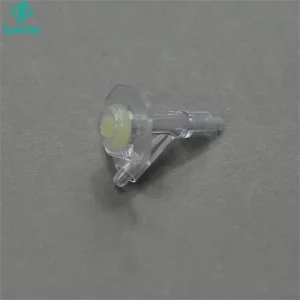
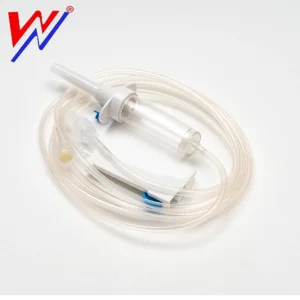
Every single drip chamber, Luer lock connector, Y-injection port, and spike must meet rigorous bio-compatibility certifications (ISO 10993). Zero cytotoxicity and complete chemical inertia ensure patient safety during prolonged IV therapy in tropical climates.
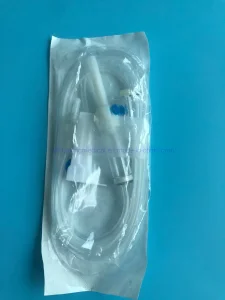
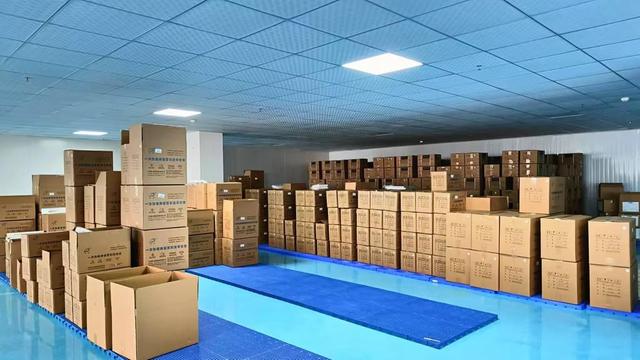
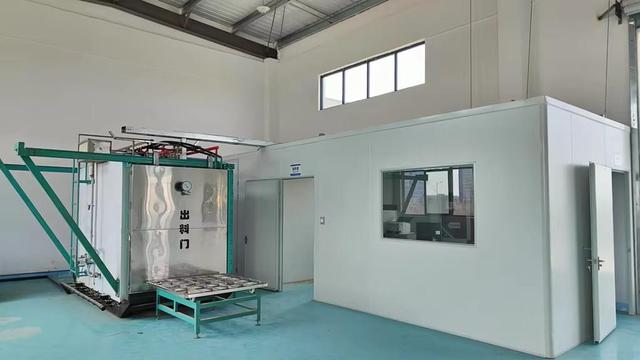
The logistics chain from a Chinese factory to Congolese medical centers often involves maritime cargo container storage (with temperatures inside spiking to 60°C), followed by rough overland transits. Double-layer vacuum blister packing and moisture-barrier master cartons are essential.
Under international WHO and NGO donation guidelines, every batch must have digital trace records linking back to the raw material compounder, cleanroom environmental reports, and specific injection molding machine parameters.
For B2B buyers and distribution companies operating within the SADC and ECCAS trade zones, procurement is not just about price. It is about mitigating the risk of structural failure in IV lines or syringes, which can lead to air embolisms or chemical contamination. Consequently, importers in the DR Congo are shifting away from uncertified suppliers and focusing heavily on manufacturing houses that can demonstrate complete process control from material validation to final sterilization.
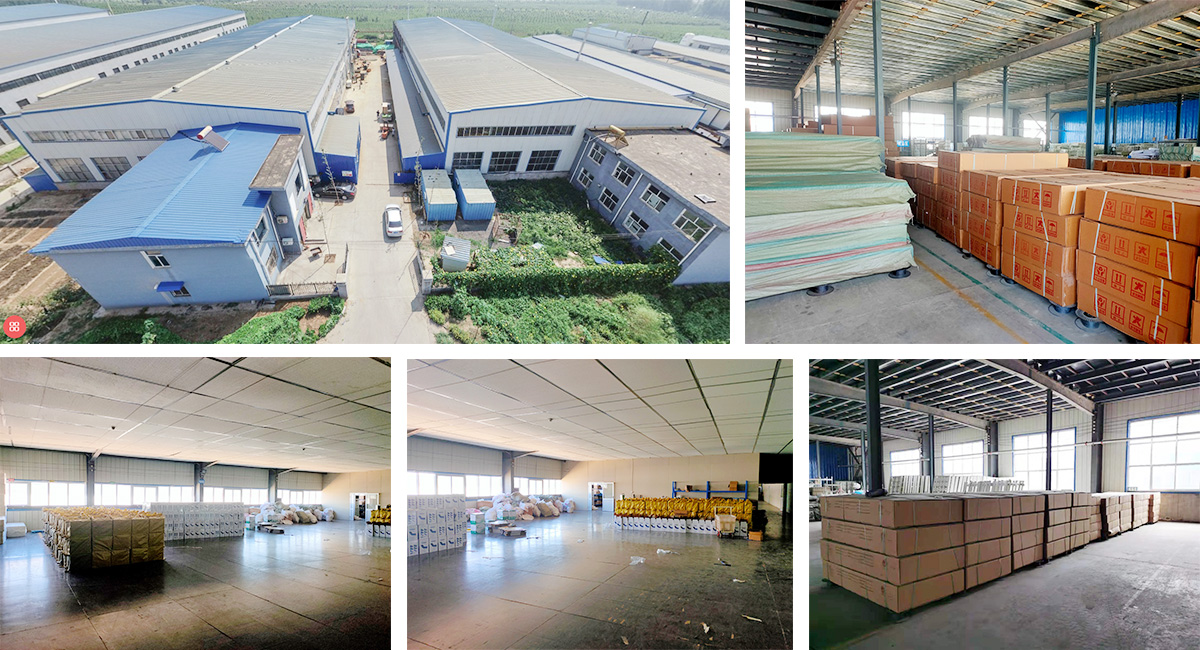
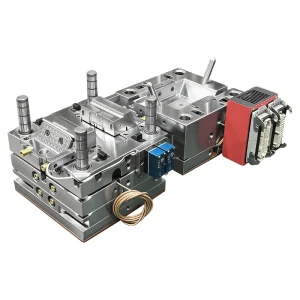
As the global center for precision manufacturing, China’s medical plastic injection molding factories have evolved to meet the demands of Industry 4.0. At our state-of-the-art facilities, we combine automated robotic work cells, high-speed multi-cavity injection molds, and smart ERP control loops. This ensures high-yield outputs with dimensional variances kept below 0.01mm.
Key advantages of our Chinese Factory 4.0 manufacturing processes include:
Hangzhou RosMed Medical Co., Ltd. is a professional China medical consumables supplier specializing in disposable medical plastics, surgical non-woven products, and respiratory solutions. Since its establishment, RosMed has been committed to delivering safe, reliable, and high-quality healthcare products to global markets.
Over the years, the company has evolved from a focused manufacturer of basic disposable medical supplies into a comprehensive provider of integrated healthcare solutions. Through continuous investment in research and development, RosMed has expanded its product portfolio to cover urology consumables, anesthesia accessories, respiratory support components, and a wide range of non-woven and plastic medical products. Each stage of its development reflects a strong commitment to innovation, quality improvement, and adaptation to international healthcare standards.

With advanced production facilities and strict quality control systems, Hangzhou RosMed Medical Co., Ltd. ensures that all products meet global certifications and regulatory requirements. The company also actively supports OEM and ODM services, enabling partners to develop customized solutions tailored to specific market needs.
Driven by a customer-centric philosophy, RosMed has built long-term partnerships with distributors, hospitals, and healthcare organizations worldwide. Today, it continues to grow as a trusted supplier in the medical consumables industry, dedicated to improving patient safety and supporting modern healthcare systems globally.
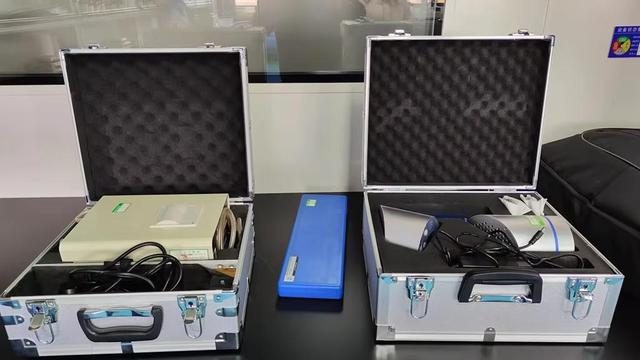
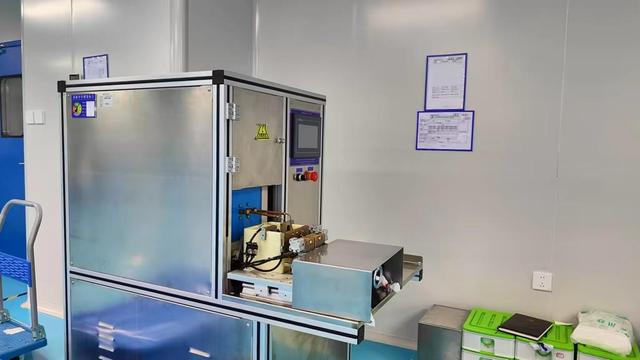
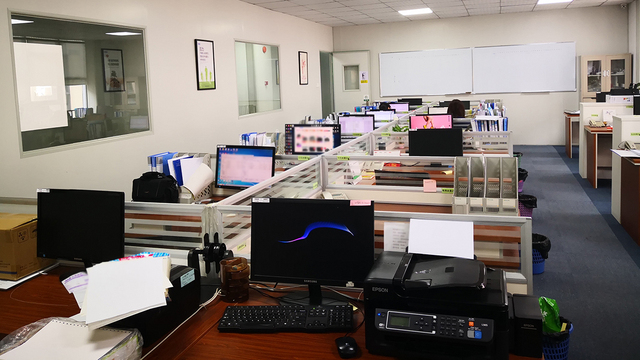

Our products are engineered to function reliably under high stress, ensuring uninterrupted medical delivery across all healthcare levels in Sub-Saharan environments.
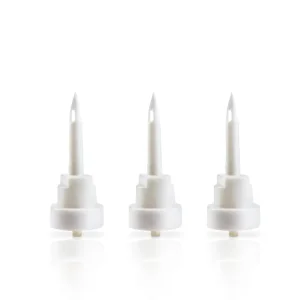
During acute disease outbreaks, rapid hydration is the first line of defense. Our high-flow infusion transfer spikes and fluid connectors are designed to support rapid IV assembly under emergency field conditions, minimizing treatment delays in rural clinics.
Precision breathing circuits and micro-infusion connector assemblies allow public health facilities in Kinshasa to deliver life-saving respiratory and nutritional support to premature infants, conforming strictly to WHO neonatology requirements.
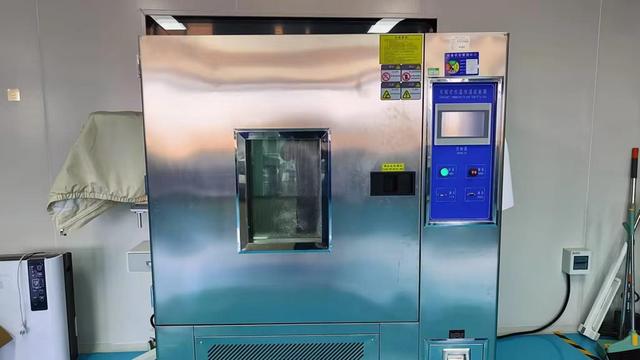
Remote medical operations require components that maintain their seal integrity despite shifting storage temperatures. Our medical-grade PVC and silicone compounds remain flexible and leak-proof in harsh environmental conditions.
Explore our full line of disposable injection, infusion, and specialized medical device parts.
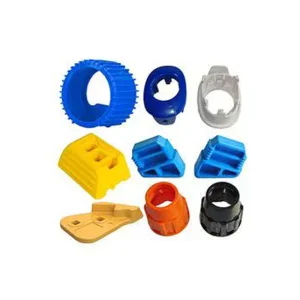
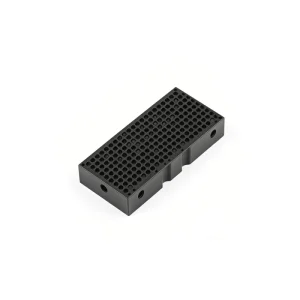
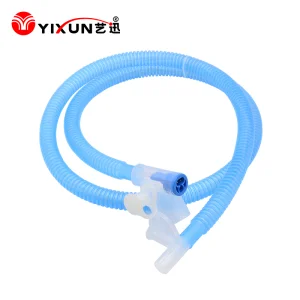
In B2B medical sourcing, ensuring consistency across millions of units requires precise control over raw materials and cleanroom processes. Below are the key manufacturing parameters we monitor to guarantee compliance for our products exported to the DR Congo and rest of Sub-Saharan Africa:
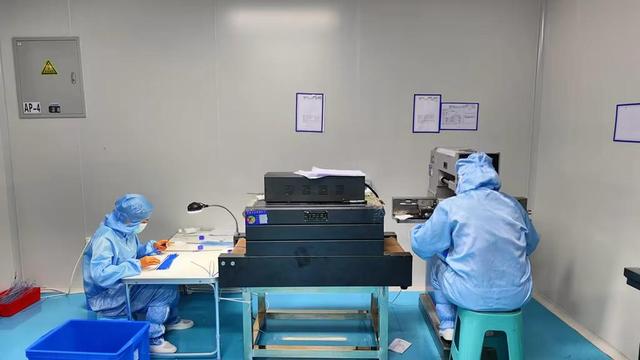
To prevent particulate contamination, medical injection processes must take place in controlled cleanrooms. Our Class 100,000 cleanrooms feature constant positive air pressure, HEPA filtration systems, and daily environmental monitoring. This controls the risk of pyrogen contamination on components like drip chambers, luer connectors, and IV tubing, which come into direct contact with sterile fluids.
Before a mold is machined, we perform detailed mold flow analyses to simulate how molten polymer fills the cavities. This helps optimize gate placements, balance fill times, and minimize weld lines. As a result, critical structural areas, such as the living hinges on disposable caps or the thin walls of vented spikes, are free of weak points that could lead to failure during handling.
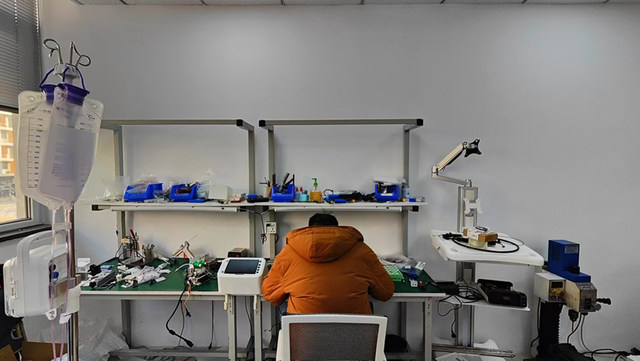
We implement a multi-stage Quality Management System (QMS) aligned with ISO 13485 standards. Raw plastics undergo verification testing (FTIR analysis, melt flow index verification) before cleanroom processing. After molding, automated sensors monitor critical dimensions, followed by physical pull-force tests on connections. This ensures consistent fits with mating pieces in the field.
Direct answers to the most common questions regarding technical parameters, importation, and custom logistics for the DR Congo medical market.
Partner with Hangzhou RosMed Medical Co., Ltd. for medical-grade plastic components designed to meet international standards. Contact our team to request samples, technical datasheets, or a competitive quote for the DR Congo market.
Send Inquiry Now RosMed Medical