Engineered for immediate medical readiness and compliance in maritime geographies. These configurations are customized to support low-flow anesthesia protocols and remote resort clinical standards across the Maldives archipelago.
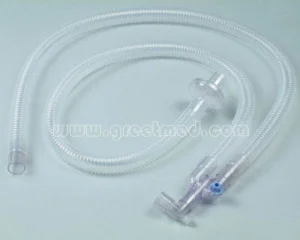
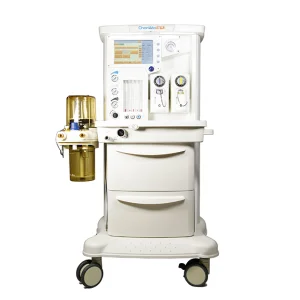
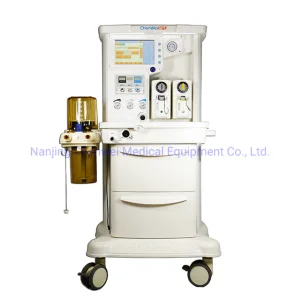

The Republic of Maldives presents a unique topographical setup for modern clinical services. With over 1,000 islands clustered in 26 natural atolls, healthcare administration is split between central tertiary facilities in Malé (such as the Indira Gandhi Memorial Hospital) and decentralized regional hospitals, atoll health centers, and isolated resort clinics. Setting up operating theatres under these conditions requires specialized planning for clinical equipment procurement.
The primary challenges facing medical devices in the Maldives include maritime atmospheric corrosion, microgrid power fluctuations, and long supply lead times from traditional Western ports. Precision medical devices, especially gas-driven systems like anesthesia workstations and oxygen plants, are vulnerable to the high salinity and relative humidity of the region. Our design strategy targets these challenges through moisture-resistant engineering, tropicalized component coating, and highly resilient backup pneumatics to ensure zero downtime in operating rooms across remote islands.
Anodized coatings and anti-corrosive brass internal pathways protect pneumatic valves against salt air erosion in island facilities.
Integrated power systems with wide input voltage stabilization (110V-240V) to withstand microgrid fluctuations standard on private islands.
Modular architectures designed for easy transport on cargo speedboats and inter-atoll dhonis, minimizing shipping stress.
The global standard for surgical suites is transitioning from basic mechanical ventilators to digitalized, closed-loop anesthesia platforms. For remote atolls, this technology offers better patient safety and reduced consumption of volatile agents.
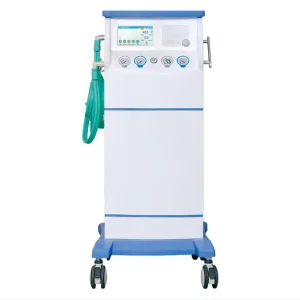
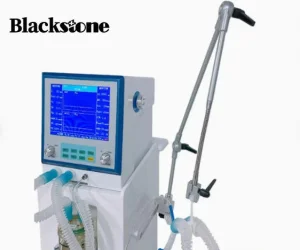
Operating in a remote island region demands optimized resource management. Modern systems like the Chenwei Cwm-302 feature high-precision electronic flowmeters that enable reliable low-flow (under 1 L/min) and minimal-flow anesthesia delivery. By recycling expired gases through carbon dioxide absorbers, hospitals reduce the import volume of volatile anesthetics like Sevoflurane and Isoflurane, significantly lowering operation costs and reducing clinical waste.
Integrated respiratory support systems now match the performance of advanced ICU ventilators. Equipped with advanced ventilation modes such as Volume Control (VCV), Pressure Control (PCV), SIMV, and Pressure Support (PSV), our systems automatically adjust for patient compliance and circuit leaks, protecting patients during long procedures.
Protecting clinical staff from chronic exposure to trace anesthetic gases is essential. Incorporating active Waste Gas Disposal (WAGD) modules, our configurations prevent room contamination, even in small operating theatres with limited air-exchange rates. This is especially useful for boutique resort clinics and municipal island medical facilities.
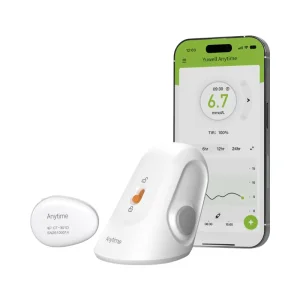
With the rise of teleconsultation across the Maldives, our integration plans connect anesthesia and continuous glucose monitoring networks to central hospital hubs, allowing off-island specialists to view real-time patient metrics during critical care procedures.
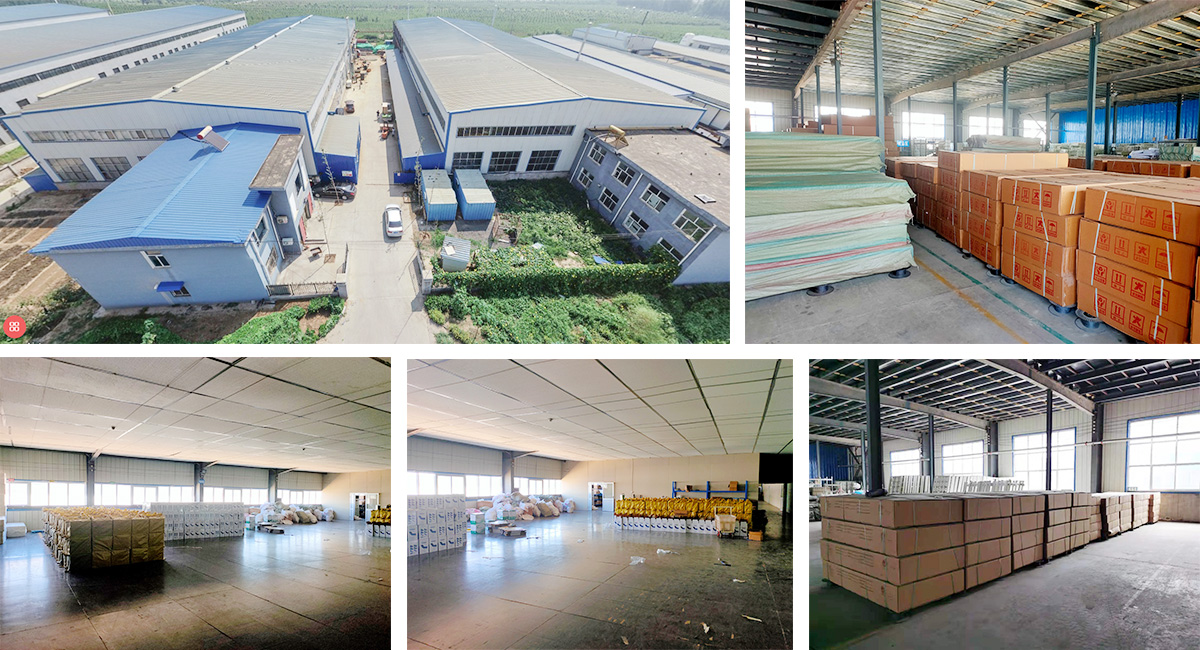
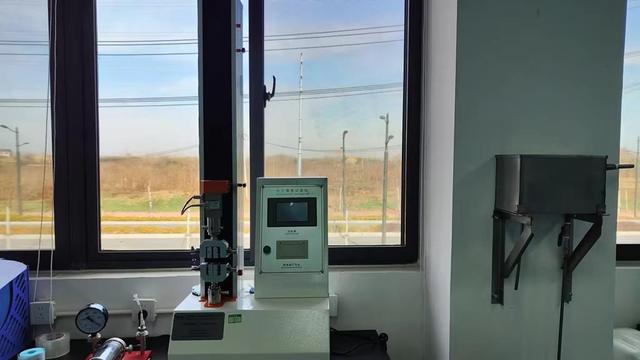
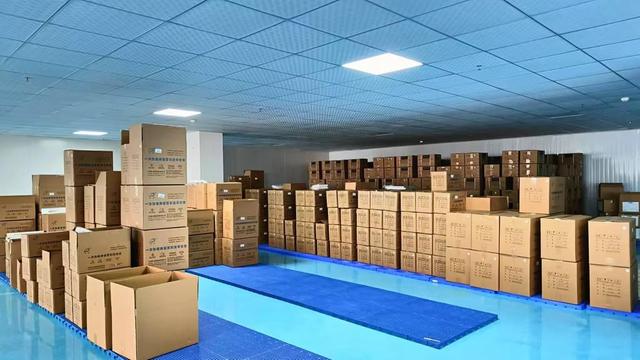
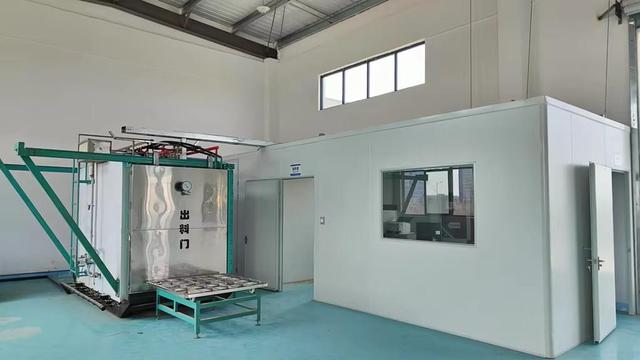
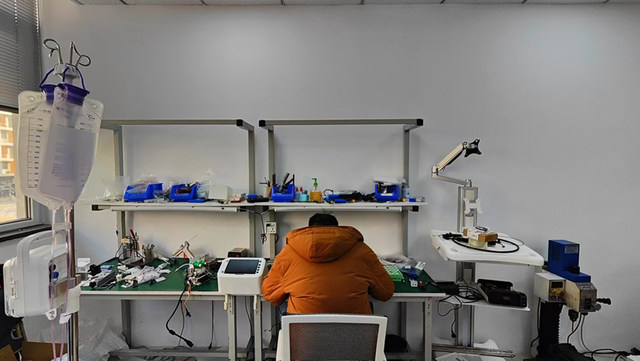
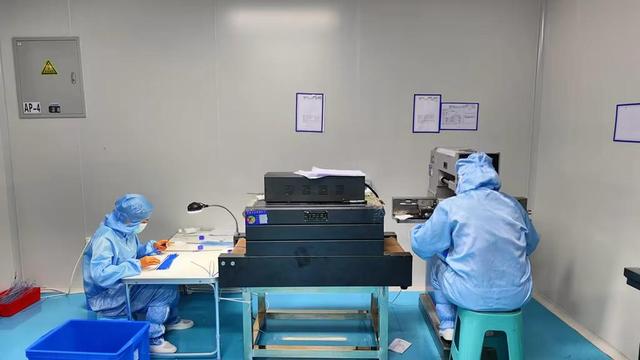
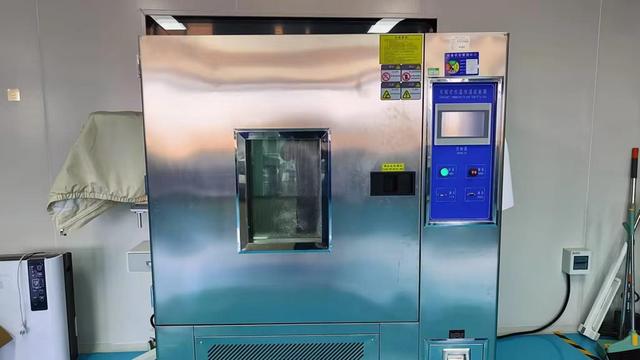
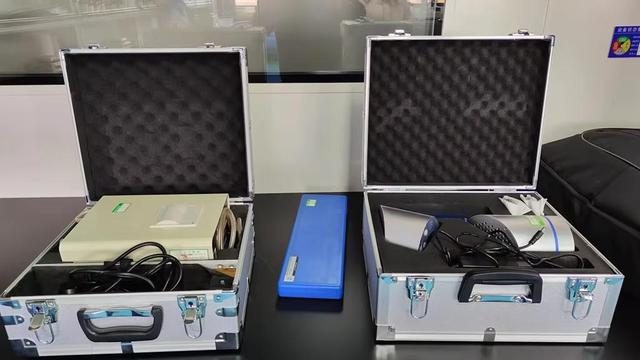
Hangzhou RosMed Medical Co., Ltd. is a specialized China medical consumables supplier focused on disposable medical plastics, surgical non-woven products, and respiratory solutions. Over the years, the company has expanded its product portfolio to cover urology consumables, anesthesia accessories, respiratory support components, and a wide range of non-woven and plastic medical products. Each stage of development reflects a commitment to innovation, quality improvement, and adaptation to international healthcare standards.
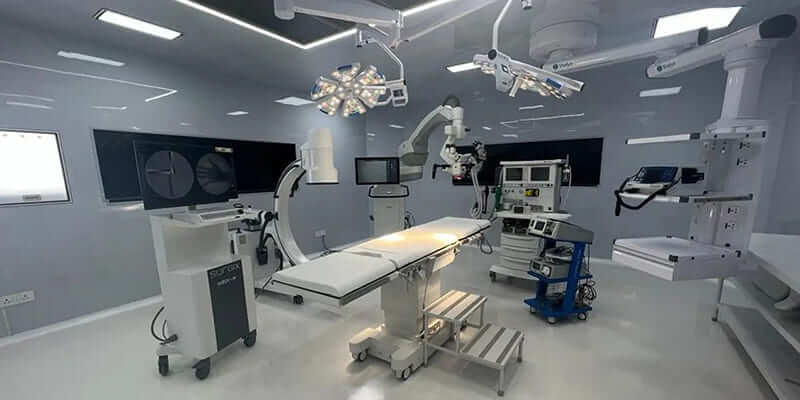
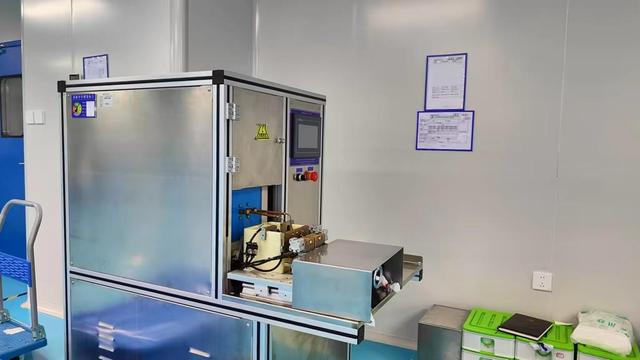
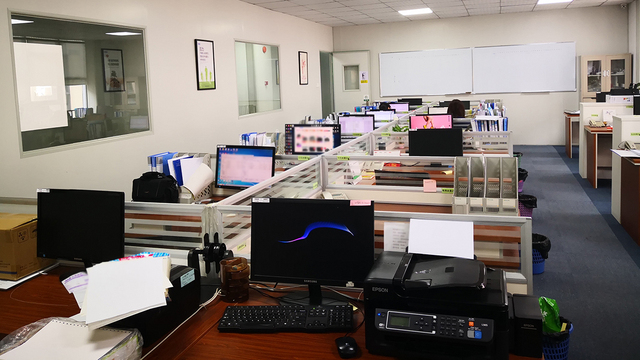
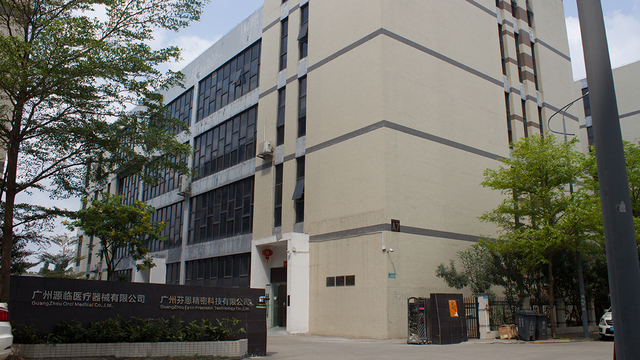
Medical device procurement in the Maldives is subject to guidelines from the Maldives Food and Drug Authority (MFDA). Any anesthesia delivery system or clinical ventilator intended for public or private hospitals must hold valid CE certifications (EU MDR 2017/745 compliant) and complete domestic registration via authorized distributors.
Given the geographical dispersion of Maldivian clinics, relying on reactive service engineers based in Malé can cause delays. To address this, Hangzhou RosMed provides local support programs, including:
• Consumables Support Plans: Regular shipping rotations of breathing circuits, masks, and filters directly to logistics hubs in Hulhumalé and Addu.
• Modular Spare Parts Kits: Pre-packaged spare valves, flowmeter tubes, and vaporizers kept on-site for rapid replacement by local clinical engineers.
• Virtual Training: High-definition video instruction and digital guides for biomedical staff on local islands.
Explore our full line of surgical support systems, modular controls, and clinical consumables designed for medical centers in Malé, Hulhumalé, and regional atoll projects.
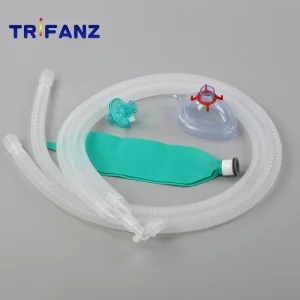
Purchasing clinical medical devices in the Maldives is only the first step. The true cost of operating an OR suite over a ten-year cycle is heavily impacted by the cost of consumables, routine maintenance, and energy use. Western legacy brands often lock medical institutions into expensive, proprietary consumable contracts (such as dedicated patient circuits or soda lime cartridges).
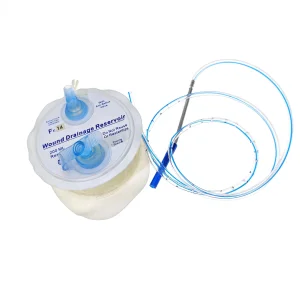
Our approach promotes open-compatibility and standardized consumables. The disposable anesthesia breathing circuits manufactured by Hangzhou RosMed are designed to fit standard 22mm connections. This allows hospital procurement departments to source high-quality, ISO-compliant consumables without proprietary limitations. Lower consumption rates of anesthetic gases, combined with affordable modular parts and reduced power requirements, help hospital systems maximize clinical value and manage budgets effectively.
Essential technical and regulatory information for procurement heads, clinical leads, and biomedical engineers operating in the Maldives.
 RosMed Medical