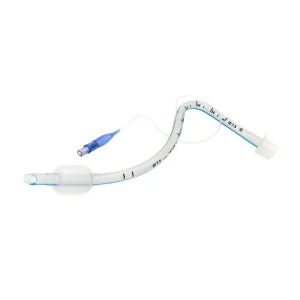
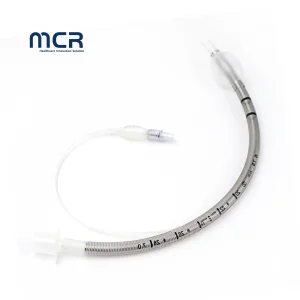
The global respiratory ventilation sector has witnessed an unprecedented transformation, particularly in the post-pandemic era. Respiratory care is no longer limited to critical hospital settings but has expanded into home care, chronic disease management, and emergency preparedness. As a top China respiratory ventilation solutions manufacturer, RosMed recognizes that current market demands prioritize high-precision components, biocompatible materials, and smart-integrated systems. From endotracheal tubes to advanced ventilation circuits, the standard of care is shifting towards minimizing patient trauma and maximizing clinical efficiency.
Procurement professionals and healthcare organizations are increasingly consolidating their supply chains by partnering with Chinese factories that demonstrate full vertical integration. The competitive advantage lies not just in cost-efficiency, but in the capability to scale production while maintaining rigorous ISO 13485 and FDA compliance. Key trends include:
Hangzhou RosMed Medical Co., Ltd. serves as a premier example of excellence in the Chinese medical consumables industry. Our trajectory from a specialized manufacturer to a global provider of integrated healthcare solutions is a testament to our relentless pursuit of E-E-A-T (Experience, Expertise, Authoritativeness, and Trustworthiness). We do not merely manufacture products; we engineer solutions that improve patient outcomes.
Our commitment to R&D allows us to adapt to international regulatory changes rapidly. Whether producing high-flow nasal cannulas, anesthesia circuits, or specialized endobronchial tubes, we adhere to strict clean-room standards and stringent quality control protocols. Our expertise lies in material science—ensuring that the polymers used in our respiratory ventilation solutions are medical-grade, hypoallergenic, and optimized for long-term patient comfort.
The future of respiratory ventilation lies in the "Internet of Medical Things" (IoMT). As factories, we are already evolving to incorporate smart sensors into disposable consumables, allowing for real-time data transmission regarding air pressure, humidity, and patient response. By bridging the gap between hardware manufacturing and data analytics, Chinese manufacturers are defining the next decade of medical innovation.
 RosMed Medical