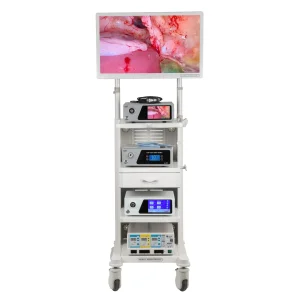
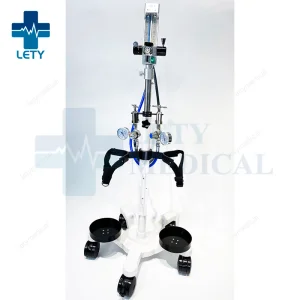
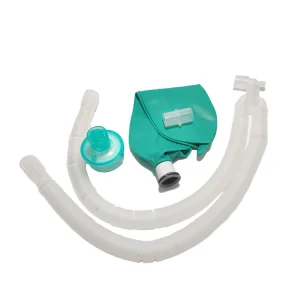
Explore our elite selection of injection-molded healthcare parts, critical anesthesia devices, and cleanroom-manufactured systems designed for compliance and reliability.
In modern clinical, diagnostic, and manufacturing sectors, the standard for custom molded plastics has surpassed general utility. Today, injection molded components act as the structural framework for life-saving technologies, precise diagnostic devices, and complex fluid path controls.
As the international community seeks to diversify and secure critical supply chains, sourcing managers look beyond unit pricing. Real resilience is determined by a supplier's compliance with quality management systems (like ISO 13485), cleanroom engineering validation, raw material traceability, and advanced process optimization. From high-integrity liquid silicone rubber (LSR) sealing solutions to multi-cavity hot-runner thermoplastics, the efficiency of medical devices hinges on mold design, tool longevity, and zero-defect quality programs.
How emerging technologies, material sciences, and environmental considerations are shaping the future of global plastic manufacturing.
The industry is transitioning toward engineered biocompatible resins, fluoropolymers, and medical-grade PVC and TPEs. These materials offer chemical resistance to harsh sanitizers, support diverse sterilization processes, and retain structural integrity under mechanical loads.
Minimizing particulate contamination is crucial. Top manufacturers rely on ISO Class 8 and Class 7 cleanrooms equipped with integrated robotic sprue-pickers and automated packaging loops. This setup prevents bio-burden contamination prior to terminal EO sterilization.
By implementing scientific molding practices with real-time cavity pressure sensors, manufacturers can prevent faults like short shots, flash, or void formations. Each production batch is supported by documented validation trials (IQ/OQ/PQ).
The modern medical procurement environment demands more than just low labor costs. Industry leaders prioritize manufacturing hubs that combine raw material sourcing, in-house tooling workshops, injection molding departments, post-processing lines, cleanroom packaging, and onsite testing labs into a single, cohesive workflow.
By adopting Factory 4.0 principles, factories reduce waste, establish process validation, and optimize lead times. Direct links to major shipping ports (like Ningbo and Shanghai) streamline transit routes, ensuring prompt delivery of critical medical devices and consumables to global clinical facilities.
Furthermore, this vertically integrated structure enables quick prototype iterations, allowing buyers to move from a 3D CAD design to functional clinical validation samples in minimal time.
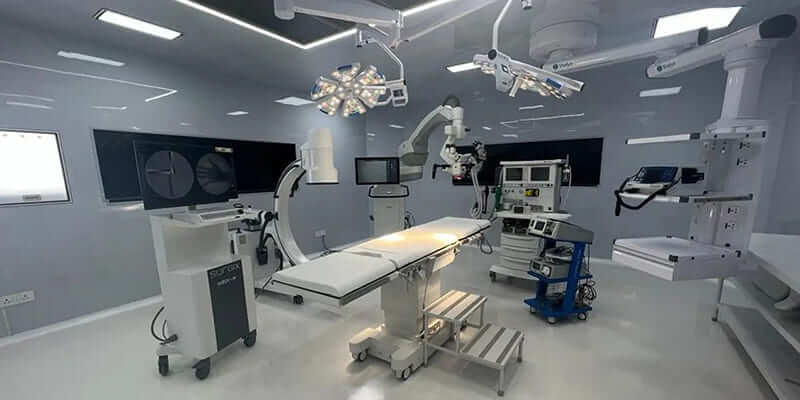
Hangzhou RosMed Medical Co., Ltd. is a professional China medical consumables supplier specializing in disposable medical plastics, surgical non-woven products, and respiratory solutions. Since its establishment, RosMed has been committed to delivering safe, reliable, and high-quality healthcare products to global markets.
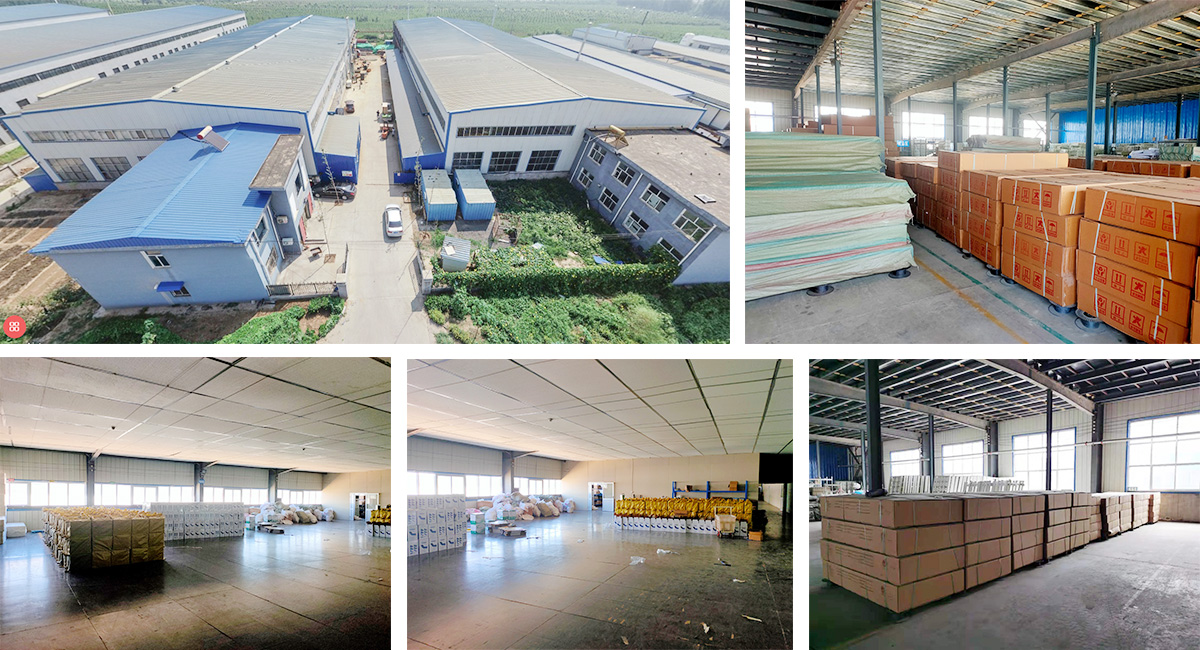
Over the years, the company has evolved from a focused manufacturer of basic disposable medical supplies into a comprehensive provider of integrated healthcare solutions. Through continuous investment in research and development, RosMed has expanded its product portfolio to cover urology consumables, anesthesia accessories, respiratory support components, and a wide range of non-woven and plastic medical products. Each stage of its development reflects a strong commitment to innovation, quality improvement, and adaptation to international healthcare standards.
With advanced production facilities and strict quality control systems, Hangzhou RosMed Medical Co., Ltd. ensures that all products meet global certifications and regulatory requirements. The company also actively supports OEM and ODM services, enabling partners to develop customized solutions tailored to specific market needs.
Driven by a customer-centric philosophy, RosMed has built long-term partnerships with distributors, hospitals, and healthcare organizations worldwide. Today, it continues to grow as a trusted supplier in the medical consumables industry, dedicated to improving patient safety and supporting modern healthcare systems globally.

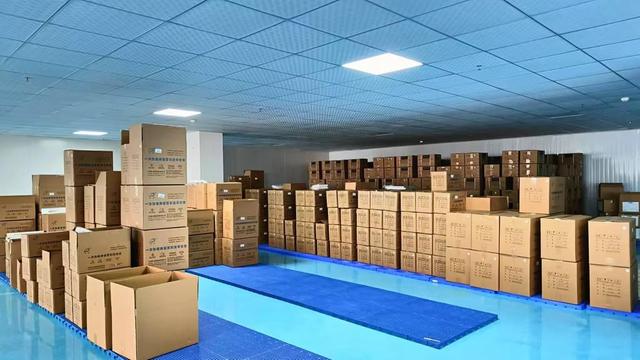
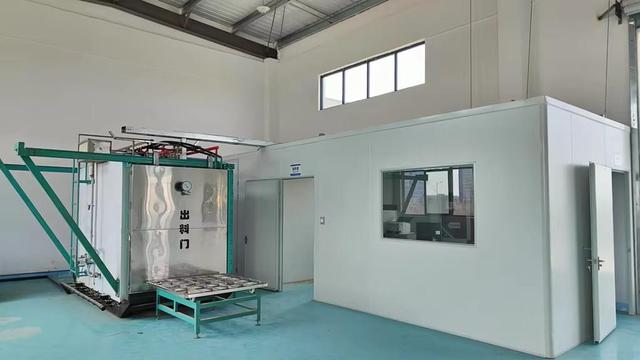
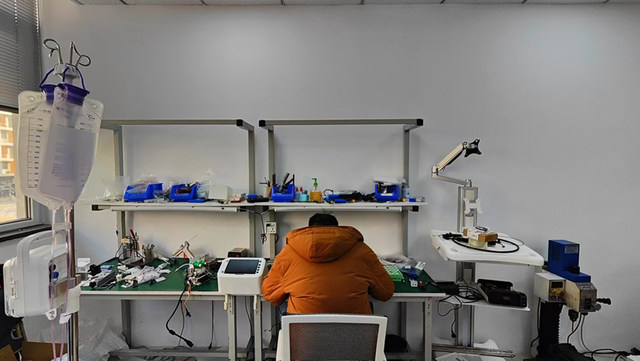
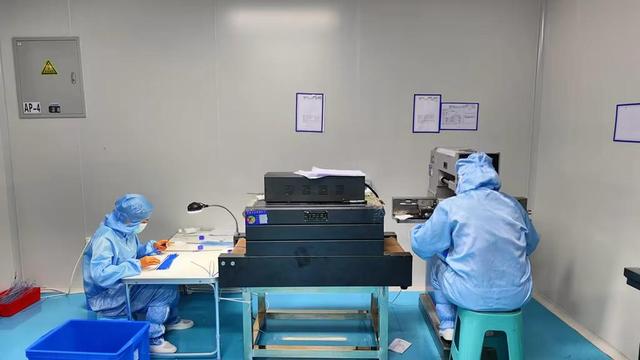
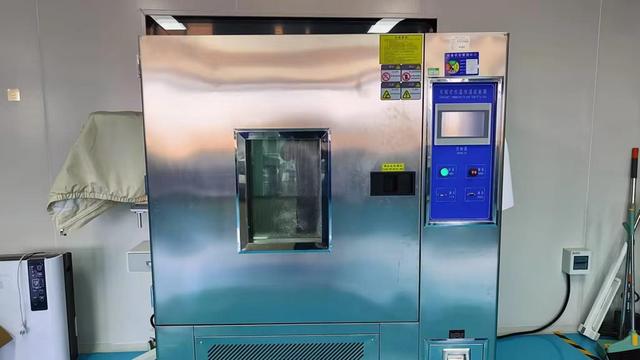
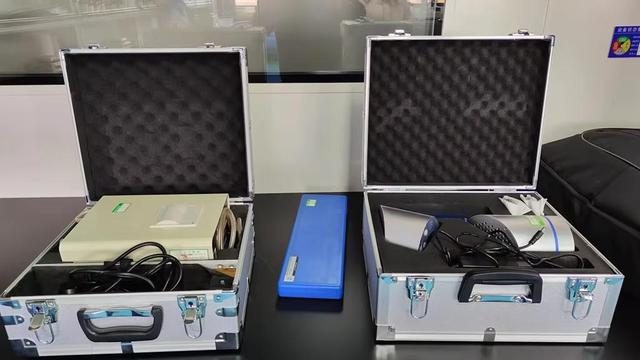
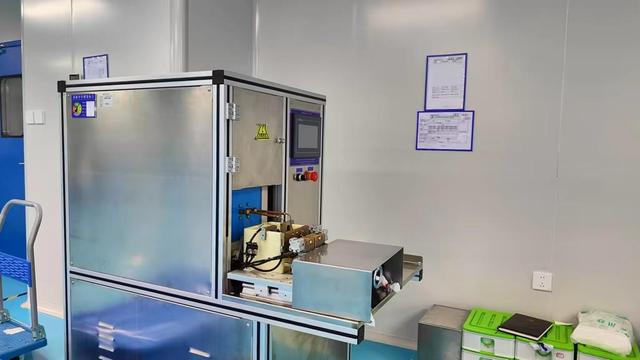

Strategic considerations for supply chain leaders when evaluating top-tier manufacturing partners.
Manufacturers must adhere to ISO 13485 standards. Regulatory compliance ensures that documentation, raw material certification, and batch testing processes meet clinical safety requirements.
Procuring medical-grade polymers requires strict traceability. Top manufacturers provide clear lot tracking and documentation for raw resins to prevent cross-contamination and ensure batch consistency.
A reliable supplier handles the entire product lifecycle—from initial CAD modeling and mold-flow analysis to pilot tool creation, high-cavitation production, custom printing, packaging, and sterilization validation.
Precision molded parts are critical across many healthcare and hospital departments, ensuring medical systems function safely and reliably:
Technical and logistical insights for procurement specialists and design engineers.
Prototype molds typically take 2 to 3 weeks to complete. High-cavitation production tools generally require 4 to 6 weeks, which includes mold-flow simulation analysis, CNC machining, EDM polishing, and initial validation runs.
Molding in an ISO Class 8 (Class 100,000) cleanroom keeps airborne particulates, dust, and microbial contamination within strict regulatory limits. This controlled environment is essential for devices used in direct patient care, surgical applications, or invasive clinical procedures.
Hangzhou RosMed implements a quality management system verified by international certifications. Production features real-time monitoring of process parameters, automated vision inspection for dimensional accuracy, and cleanroom assembly and packaging to maintain compliance.
Yes, our facilities handle diverse polymers, ranging from flexible, medical-grade PVC and TPE to high-performance resins (like Polycarbonate, PSU, and PEEK) that require precise thermal control and mold cooling solutions.
Select options for airway management, clinical accessories, dental systems, and diagnostic imaging devices.
 RosMed Medical