Explore precision-engineered airway circuits, endoscopic equipment, and specialized surgical consumables manufactured for international healthcare systems.
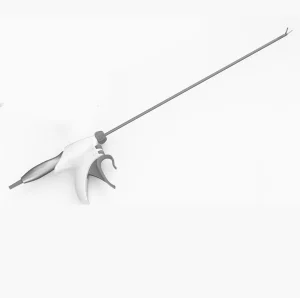

Comprehensive analysis of macroeconomic drivers, clinical demand shifts, and total cost of ownership (TCO) evaluation for medical purchasing managers.
The global anesthesia and respiratory ventilation market is undergoing a structural transformation driven by an aging global population, an increase in elective surgical procedures, and stringent infection control protocols post-pandemic. Modern healthcare networks, surgical centers, and intensive care units (ICUs) no longer evaluate anesthesia delivery systems purely on basic ventilation capabilities. Today, hospital procurement boards prioritize integrated closed-loop systems, low-flow anesthesia efficiency, biological safety compliance, and minimal dead-space circuit architectures.
As health systems shift toward low-flow and minimal-flow anesthesia protocols—aimed at reducing volatile anesthetic agent consumption and mitigating environmental impacts—the technical specifications for disposable breathing circuits, laryngeal masks, and endobronchial tubes have heightened dramatically. Leakage rates must approach absolute zero, compliance factors of plastic polymers must remain stable under dynamic intraoperative pressure, and heat and moisture exchanging (HME) filtration efficiencies must consistently meet or exceed ISO 23328 standards.
The migration toward single-use disposable breathing circuits and closed suction systems reduces nosocomial pathogens and Ventilator-Associated Pneumonia (VAP) risks. Procurement strategies mandate toxicological compliance (ISO 10993) and DEHP/phthalate-free formulation for patient-contact polymers.
Modern ventilation units require seamless gas-exchange interface connectors compatible with standard 22mm/15mm conical connectors (ISO 5356-1). Standardized tolerances guarantee airtight seals across multi-brand anesthesia workstations and emergency ventilators.
Hospital purchasing groups actively diversify supply sources away from single-region vendors toward certified export hubs capable of offering high-capacity automated injection molding, cleanroom assembly, and guaranteed safety stock reserves.
Bridging physical polymer performance with intelligent ventilation protocols to optimize mechanical ventilation, patient safety, and intraoperative outcomes.
In low-flow anesthesia (fresh gas flow < 1.0 L/min), any mechanical dead space within the breathing circuit leads to rebreathing of carbon dioxide and unpredictable anesthetic gas concentrations. Leading manufacturers utilize corrugated and smoothbore tubing configurations designed to maintain low gas compression compliance (less than 1.5 mL/kPa/m) while preserving minimal apparatus dead space.
Furthermore, internal surface treatments prevent moisture condensation pooling, which could otherwise alter circuit resistance or trigger unexpected pressure spikes during pressure-controlled ventilation (PCV) modes.
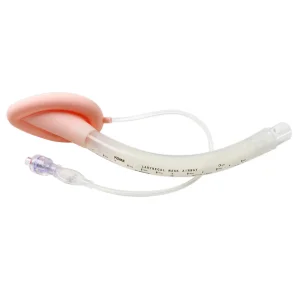
Traditional PVC materials containing volatile plasticizers are rapidly being replaced by medical-grade Liquid Silicone Rubber (LSR) and thermoplastic elastomers (TPE). Laryngeal Mask Airways (LMAs) crafted from 100% medical silicone offer superior anatomical conformity against the hypopharynx, significantly reducing mucosal pressure ulcer risks while preserving airway seal pressures up to 30 cmH2O.
Ultrasonic scalpel housings and delicate airway connector manifolds leverage high-precision injection-molded polycarbonates and ABS formulations to withstand high mechanical stress and chemical exposure during clinical prep.
| Technology Category | Key Engineering Metric | Regulatory Standard | Clinical Advantage |
|---|---|---|---|
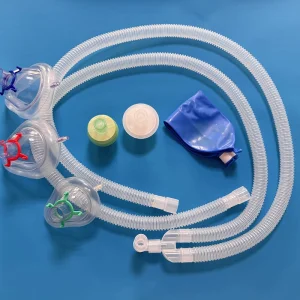
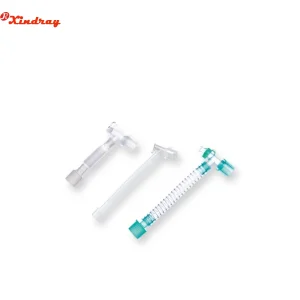
| Expandable Anesthesia Circuits | Compression Compliance < 1.2 mL/cmH2O | ISO 5367 / ISO 5356-1 | Reduces gas loss, compact shipping footprint, customizable clinical lengths. |
| Silicone Laryngeal Masks | Cuff Pressure Integrity up to 40 cmH2O | ISO 11712 / ISO 10993 | Atraumatic placement, reduced pharyngolaryngeal complications post-op. |
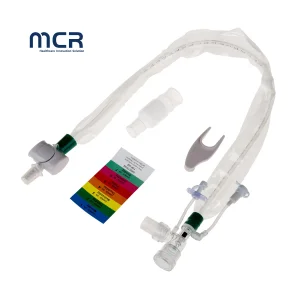
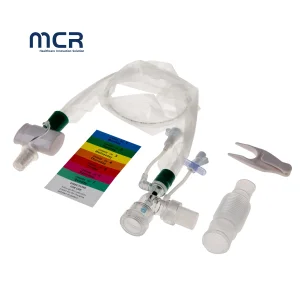
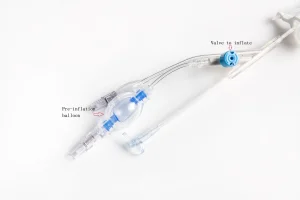
| Closed Suction Systems (24h/72h) | Isolation Valve & Day-Indicator Tagging | ISO 8836 | Maintains positive end-expiratory pressure (PEEP), prevents cross-contamination. |
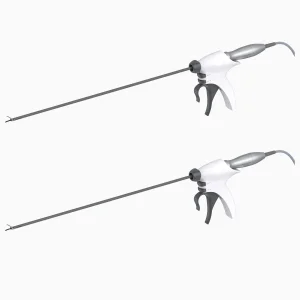
| Ultrasonic Surgical Scalpels | Vibration Frequency 55.5 kHz ± 0.5 kHz | IEC 60601-1 / IEC 60601-2-2 | Simultaneous tissue cutting and vessel coagulation up to 5mm diameter. |
A rigid framework used by global hospital procurement executives and OEM partners to audit and qualify international factory partners.
Full compliance with European Medical Device Regulation (EU 2017/745) and ISO 13485:2016 quality management systems ensures products meet strict safety, traceability, and post-market surveillance benchmarks.
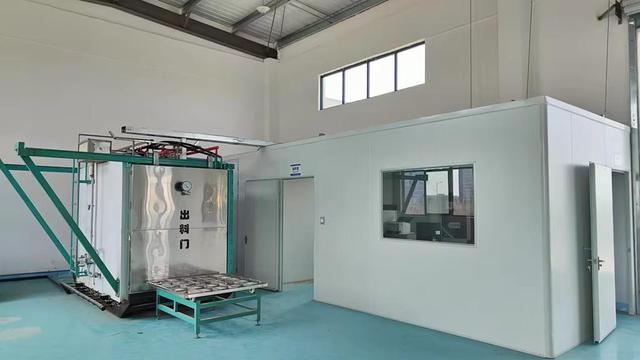
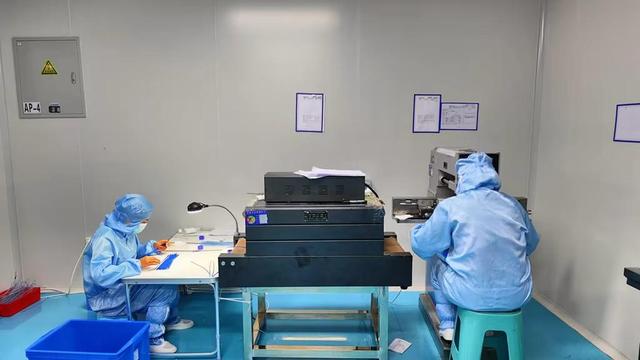
Manufacturing of invasive airway supplies and breathing lines must occur within certified ISO Class 8 (Class 100,000) cleanrooms to prevent bioburden, pyrogenicity, and particulate contamination.
Utilizing high-speed automated extrusion and blow-molding equipment guarantees uniform wall thickness, preventing tube kinking and maintaining constant airflow resistance.
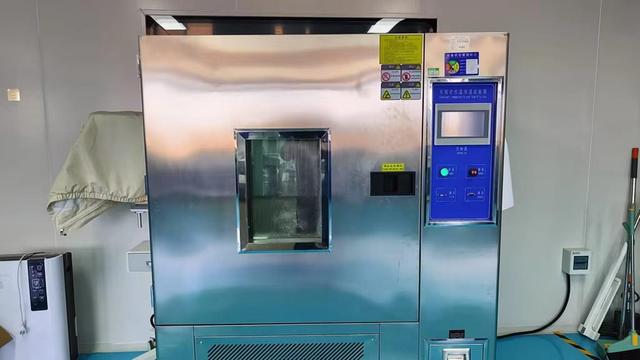
Rigorous validation according to ISO 10993 including cytotoxicity, systemic toxicity, intracutaneous reactivity, and hemocompatibility testing to guarantee absolute patient safety.
100% online pressure-decay leak testing of breathing circuits and closed suction valves to verify structural integrity under peak inspiratory pressures (PIP).
Capabilities to tailor circuit lengths, connector configurations, water trap inclusion, HME filter integration, and private-label packaging to meet local market needs.
In-house or validated contract EO sterilization processes adhering to ISO 11135, guaranteeing residual ethylene oxide level compliance far below international safety limits.
Full raw material lot traceability from resin pellets to final packaged products, ensuring immediate root-cause tracking in strict quality management regimes.
Provision of comprehensive Technical Files, 510(k) submittals, Free Sale Certificates (FSC), and Certificate of Pharmaceutical Product (CPP) documentation for local market registrations.
Implementation of recyclable protective films, non-toxic printing inks, and volume-optimized primary packaging to lower carbon emissions during global freight movement.
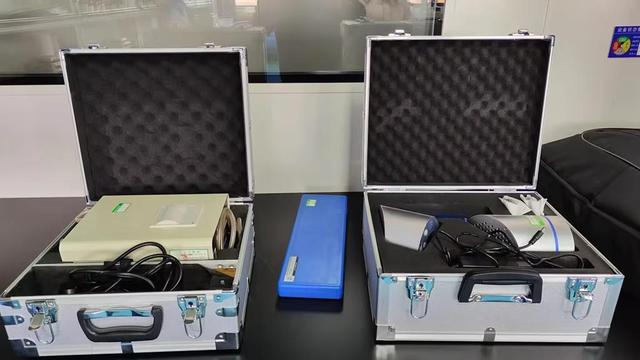
A trusted China medical consumables supplier specializing in disposable medical plastics, surgical non-woven products, and advanced respiratory solutions.
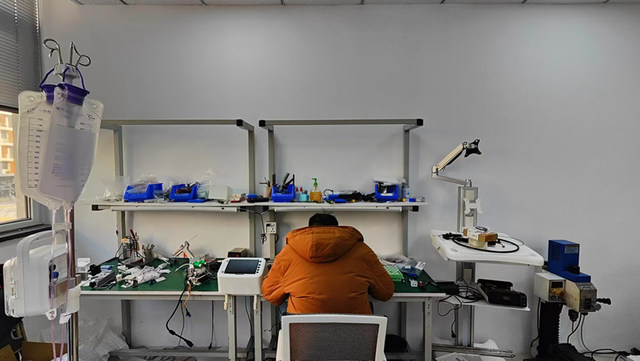
Hangzhou RosMed Medical Co., Ltd. is a professional China medical consumables supplier specializing in disposable medical plastics, surgical non-woven products, and respiratory solutions. Since its establishment, RosMed has been committed to delivering safe, reliable, and high-quality healthcare products to global markets.
Over the years, the company has evolved from a focused manufacturer of basic disposable medical supplies into a comprehensive provider of integrated healthcare solutions. Through continuous investment in research and development, RosMed has expanded its product portfolio to cover urology consumables, anesthesia accessories, respiratory support components, and a wide range of non-woven and plastic medical products. Each stage of its development reflects a strong commitment to innovation, quality improvement, and adaptation to international healthcare standards.
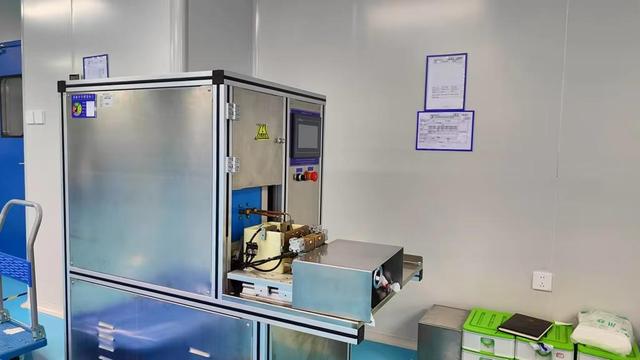
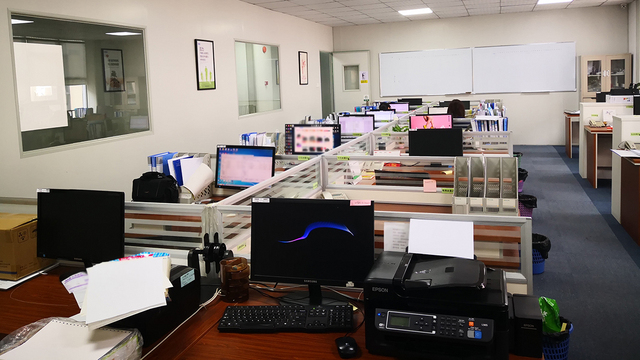
With advanced production facilities and strict quality control systems, Hangzhou RosMed Medical Co., Ltd. ensures that all products meet global certifications and regulatory requirements. The company also actively supports OEM and ODM services, enabling partners to develop customized solutions tailored to specific market needs.
Driven by a customer-centric philosophy, RosMed has built long-term partnerships with distributors, hospitals, and healthcare organizations worldwide. Today, it continues to grow as a trusted supplier in the medical consumables industry, dedicated to improving patient safety and supporting modern healthcare systems globally.
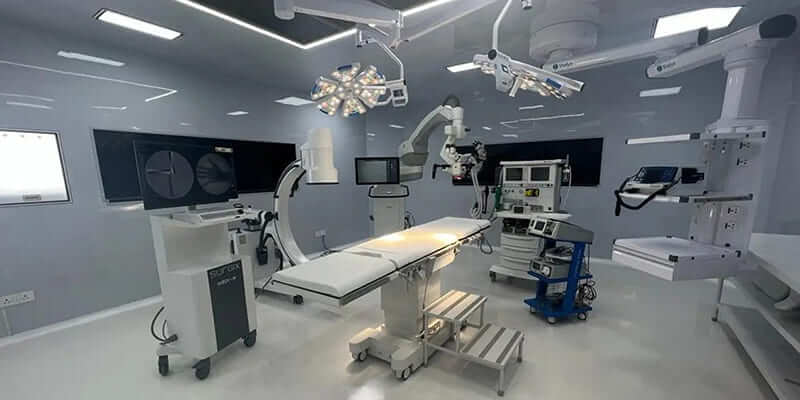
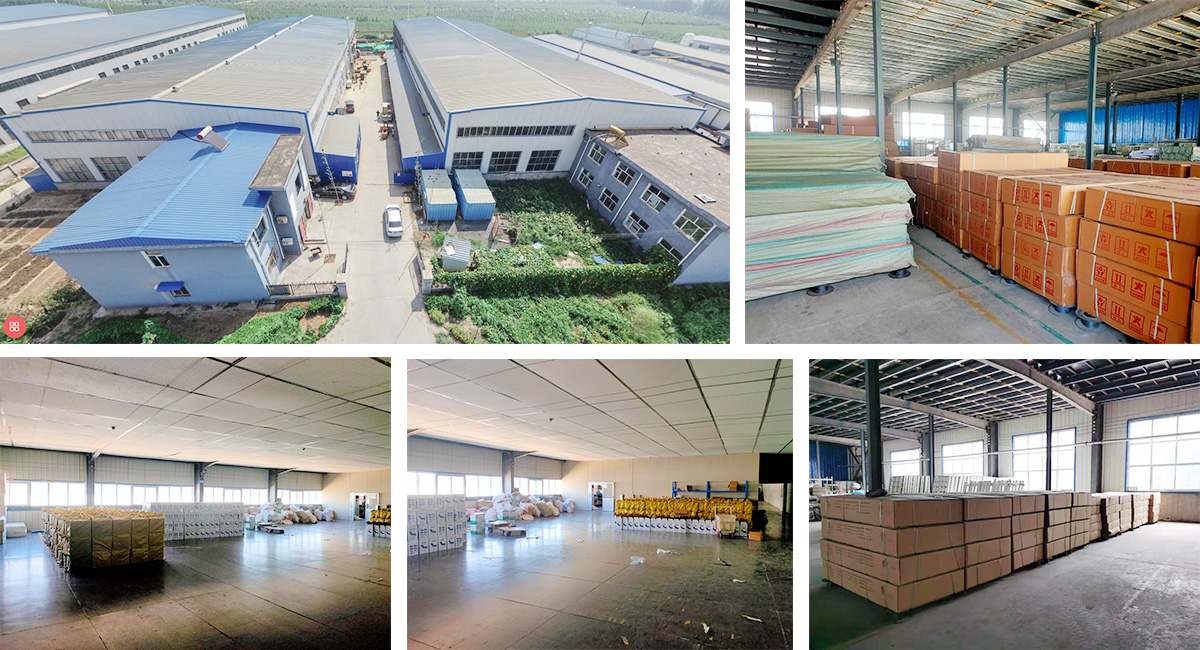

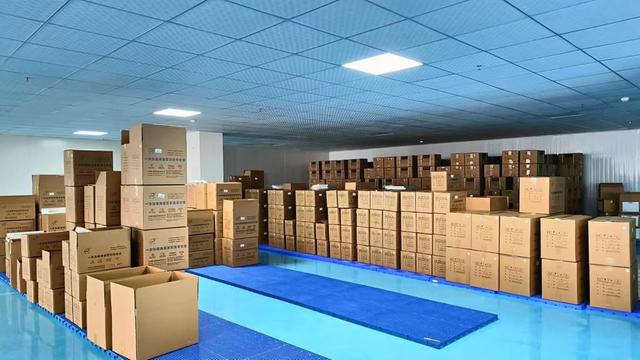

Ensuring seamlessly compliant global distribution pathways across the Americas, European Union, Middle East, and Asia-Pacific healthcare markets.
Navigating the stringent requirements of EU MDR demands robust Clinical Evaluation Reports (CER), comprehensive Post-Market Clinical Follow-up (PMCF) protocols, and stringent tracking via Unique Device Identification (UDI) systems. Exporters must ensure technical documentation is continuously updated to maintain CE markings.
For entry into North American hospital networks, anesthesia circuits and endoscopic access devices require 510(k) clearance demonstrating substantial equivalence to predicate devices. Manufacturing lines must adhere strictly to 21 CFR Part 820 quality systems.
Packaging systems must comply with ISO 11607-1/2 for sterile barrier preservation. Accelerated aging studies and transit simulation testing (ASTM D4169) confirm that sterile medical devices maintain absolute integrity across sea and air freight transport cycles.
Explore the remainder of our advanced medical product catalog engineered for clinical versatility and global export compliance.
Expert insights regarding anesthesia circuit selection, biocompatibility standards, custom OEM capabilities, and compliance requirements.
 RosMed Medical