Explore our core engineering portfolio of medical devices and sterile custom surgical components optimized for global clinical environments.
The global demand for high-reliability anaesthesia accessories and respiratory circuits has transitioned from simple, reusable commodity items to highly engineered, disposable clinical devices. Driven by stringent hospital protocols aimed at eliminating Nosocomial Infections (healthcare-associated infections or HAIs) and managing clinical risk, healthcare buyers, distributors, and OEMs now seek partners with robust technological capabilities, validated sterilization protocols, and comprehensive regulatory clearance dossiers.
Worldwide, the market is defined by a shift toward biocompatible materials that are free from plasticizers such as DEHP/phthalates, which have been linked to long-term health risks. Consequently, manufacturers must implement precise cleanroom extrusions and state-of-the-art injection-molding processing lines to keep pace with evolving European Medical Device Regulations (EU MDR 2017/745) and FDA premarket requirements.
Additionally, clinical advancements in specialized fields—such as neonatal ventilation, cardiovascular anaesthesia, and ambulatory surgery—require a highly segmented and customized product matrix. Rather than relying on off-the-shelf catalog products, global medical device brands demand agile ODM partners capable of quick prototyping, customized extrusion configurations, and rapid tooling modification cycles. This collaborative engineering approach ensures that devices perform flawlessly under high-pressure mechanical ventilation and delicate airway maintenance protocols.
How we ensure maximum clinical safety, gas tightness, and structural integrity under demanding surgical procedures.
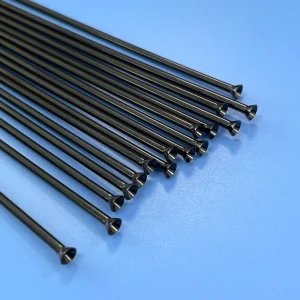
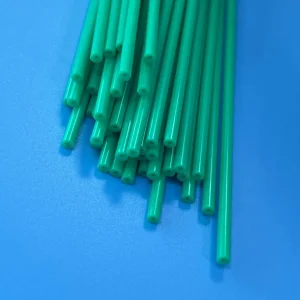
We leverage high-performance plastics like PEEK, FEP, and medical-grade PP to execute micro-bore and multi-lumen tubing extrusions. Our advanced tip-forming and flaring systems ensure seamless transitions and smooth patient interfaces, minimizing airway friction and localized trauma during intubation.
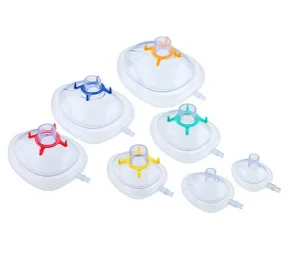
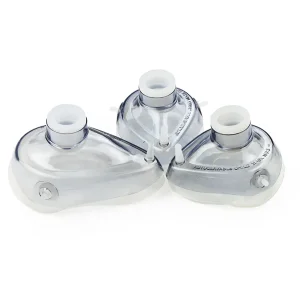
Our inflatable PVC cushion anaesthesia masks feature high-sensitivity inflation valves. The ultra-soft shell morphology is designed to conform to diverse facial anatomies, achieving a superior gas-tight seal at minimal inflation pressures, thereby preventing skin pressure necrosis during long surgical cases.
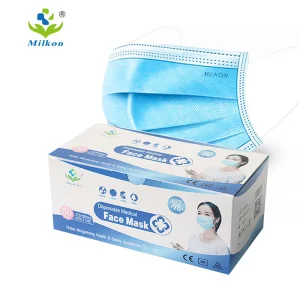
Implementing non-woven fiber technologies to manufacture 3-ply surgical masks and anesthesia breathing circuit filters with a Bacterial Filtration Efficiency (BFE) ≥ 99%. Our structures prevent aerosol transmission while maintaining exceptionally low respiratory resistance profiles.
“Material safety remains our utmost priority. By selecting high-purity medical polymers and executing secondary processing in strict particulate-controlled ISO Class 8 cleanrooms, we mitigate toxicological risks and secure smooth approvals across North American and European clinical registries.”
Designing tailored consumables to address specific therapeutic workflows across global healthcare settings.
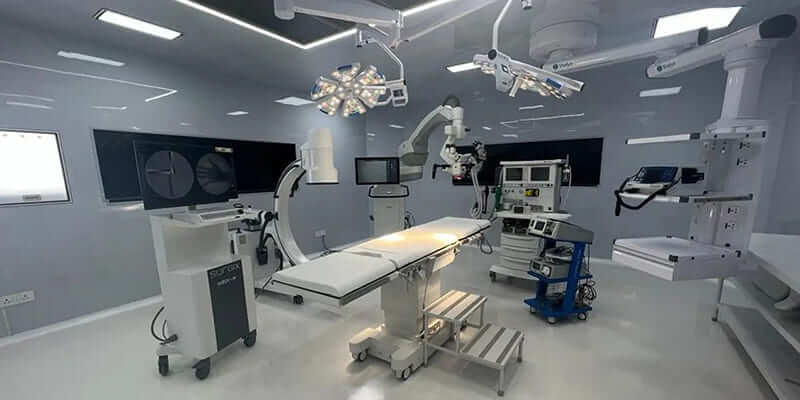
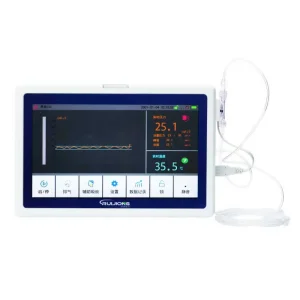
In high-pressure surgical environments, precise patient monitoring and airway maintenance are non-negotiable. Continuous pressure monitoring, such as that provided by the Tracheal Intubation Cuff Pressure Monitor Device, helps prevent tracheal stenosis caused by over-inflation, as well as micro-aspiration pneumonia caused by under-inflation.
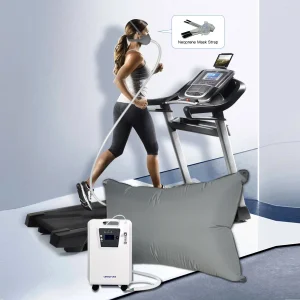
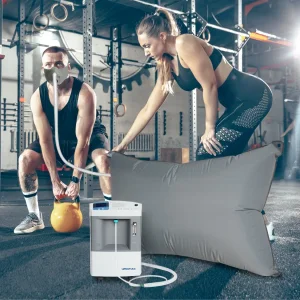
Transitioning from clinical anaesthesia to systemic recovery pathways, high-volume oxygen delivery systems are critical. Our specialized high-capacity reservoir kits (such as the 1000L EWOT configurations) utilize heavy-duty, medical-grade components designed to manage rapid flow rates without degrading the purity of delivery gas.
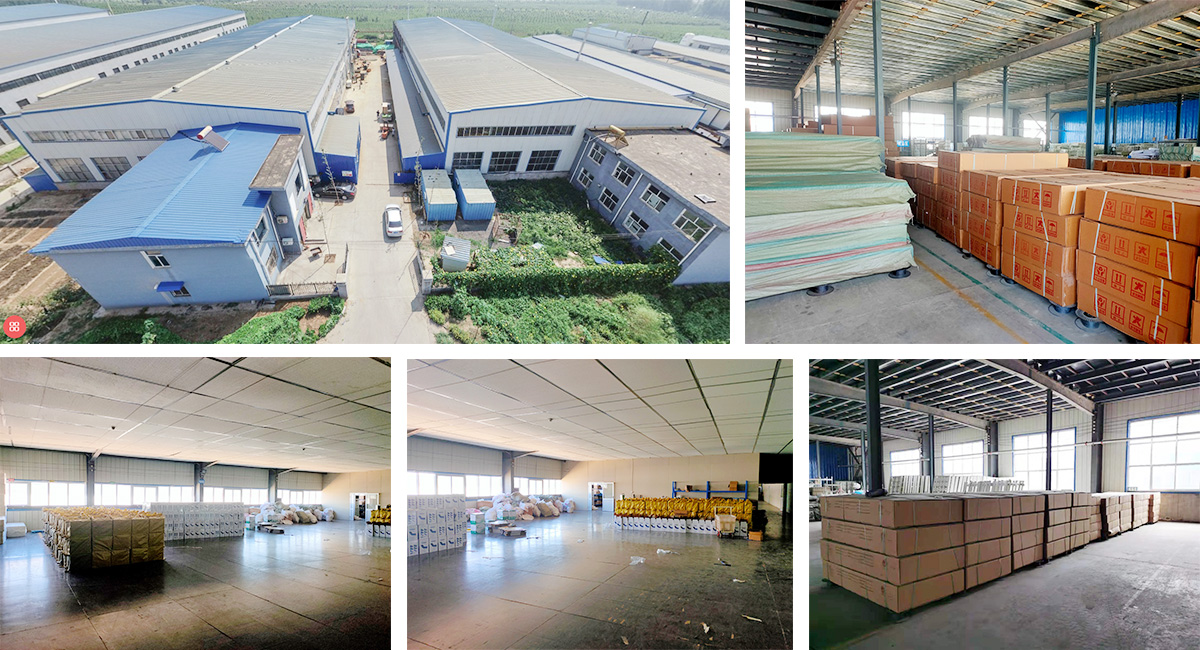
Leveraging industrial clusters, rapid tooling, and vertical integration to provide superior cost-to-quality ratios.
Located in the Yangtze River Delta medical device manufacturing hub, we access highly integrated raw material networks. From raw medical-grade pellets to sterilized final packaging, our upstream and downstream supply partners operate within a 100km radius, protecting our production timelines against global logistics disruptions.
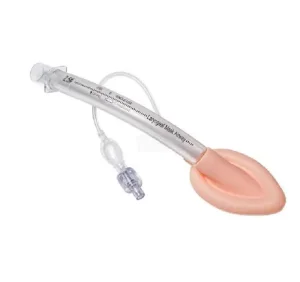
By owning the design and fabrication molds for all masks, airways, and medical tubes, we drastically compress the ODM development lifecycle. Our rapid prototyping department can generate functional silicone or PVC samples in as little as 10 days, allowing our clients to capture dynamic market opportunities.
By shifting from manual assembly to automated ultrasonic welding and robotic inspection systems, we ensure consistent product geometry. This automation minimizes human contamination risks and achieves a defect rate of under 150 PPM (parts per million), matching or exceeding Western standards.
A trusted global healthcare solutions provider specializing in medical consumables, anesthesia circuits, and non-woven technologies.
Hangzhou RosMed Medical Co., Ltd. is a professional China medical consumables supplier specializing in disposable medical plastics, surgical non-woven products, and respiratory solutions. Since its establishment, RosMed has been committed to delivering safe, reliable, and high-quality healthcare products to global markets.
Over the years, the company has evolved from a focused manufacturer of basic disposable medical supplies into a comprehensive provider of integrated healthcare solutions. Through continuous investment in research and development, RosMed has expanded its product portfolio to cover urology consumables, anesthesia accessories, respiratory support components, and a wide range of non-woven and plastic medical products. Each stage of its development reflects a strong commitment to innovation, quality improvement, and adaptation to international healthcare standards.
With advanced production facilities and strict quality control systems, Hangzhou RosMed Medical Co., Ltd. ensures that all products meet global certifications and regulatory requirements. The company also actively supports OEM and ODM services, enabling partners to develop customized solutions tailored to specific market needs.
Driven by a customer-centric philosophy, RosMed has built long-term partnerships with distributors, hospitals, and healthcare organizations worldwide. Today, it continues to grow as a trusted supplier in the medical consumables industry, dedicated to improving patient safety and supporting modern healthcare systems globally.
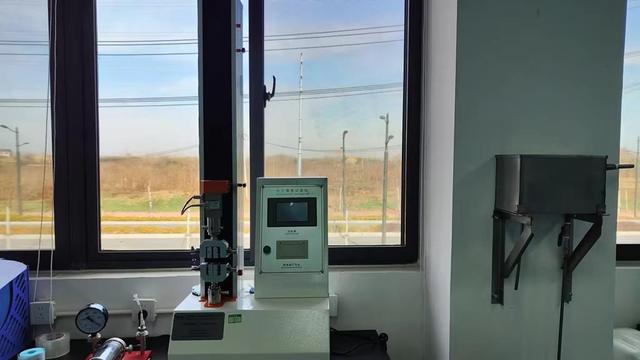
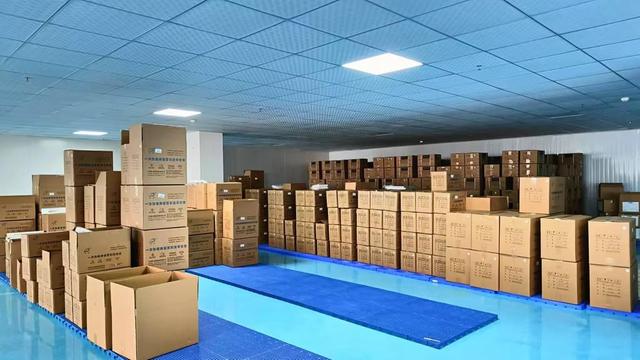
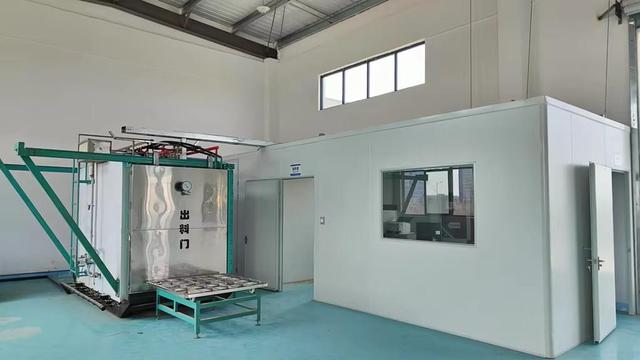
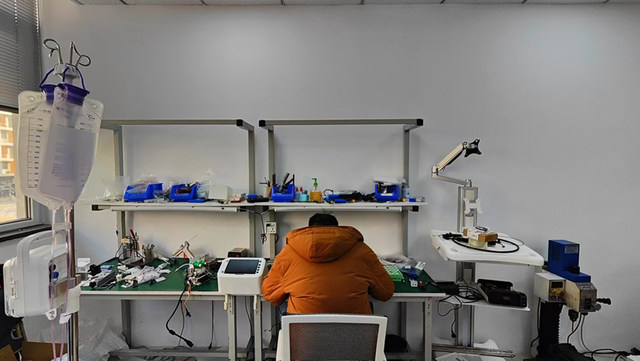
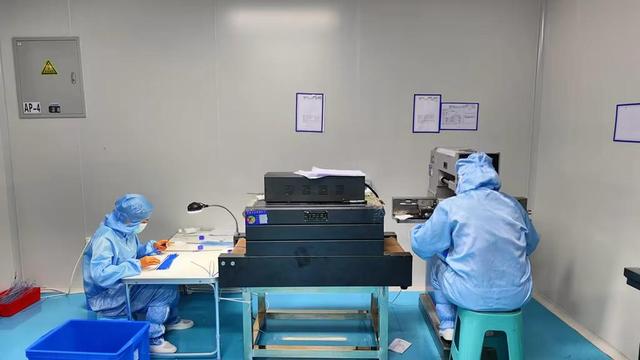
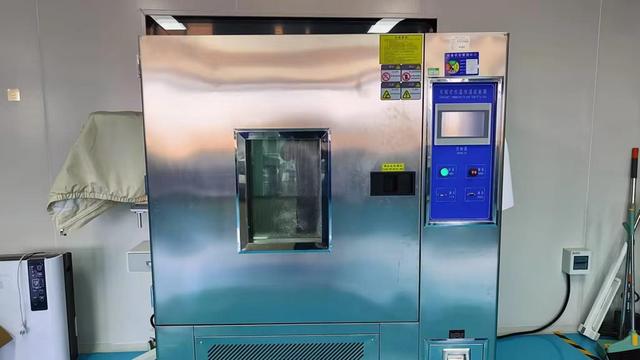
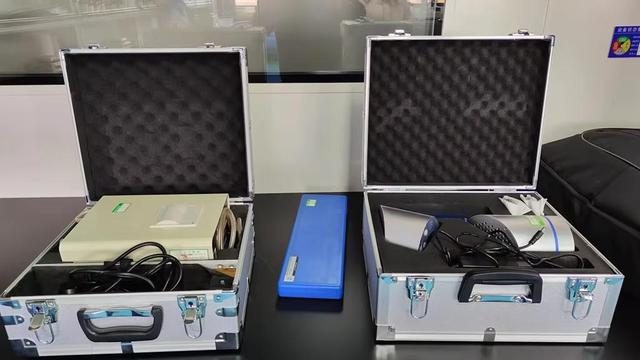
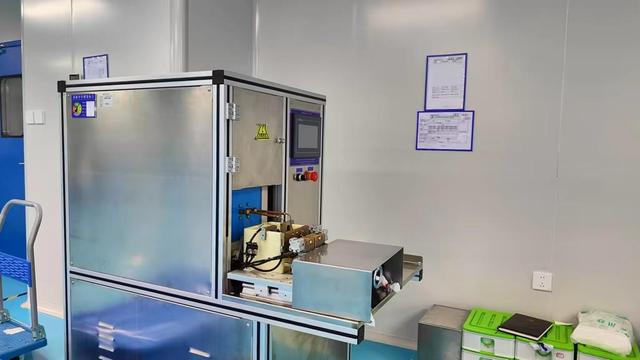
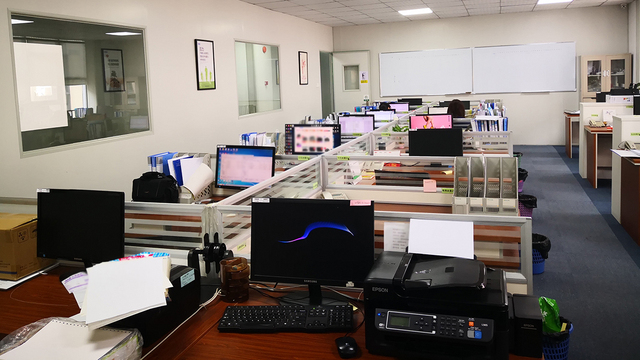

Navigating global healthcare markets requires absolute compliance with technical quality frameworks. Our factory operations adhere rigorously to ISO 13485 (Medical Devices — Quality Management Systems) standards, assuring that every design cycle, procurement record, and sterilized batch is traceable back to its origin.
Under the dynamic requirements of the EU MDR 2017/745, we supply complete technical documentation, biological evaluation reports (ISO 10993), chemical characterization studies, and post-market clinical follow-up (PMCF) logs to facilitate smooth registration processes for our OEM clients.
For custom surgical packs and medical plastics destined for North American markets, our factories support Class I and Class II registrations, aligning and executing cleanroom protocols to meet FDA current Good Manufacturing Practices (cGMP). From initial compound compounding to final Ethylene Oxide (ETO) or Gamma sterilization verification, we assure that our products are pyrogen-free, biocompatible, and safe for direct tissue contact.
Professional, expert-level technical answers addressing the critical mechanical, material, and regulatory inquiries of medical device distributors.
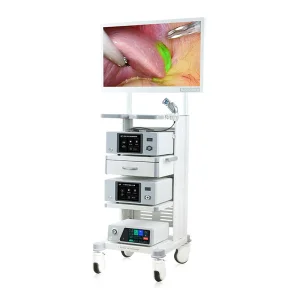
Discover our specialized diagnostic tools, respiratory support accessories, and high-performance endoscopic imaging components.
 RosMed Medical