Infection control is a crucial aspect of healthcare. Many people may wonder, what is the importance of infection control in hospitals? Hospitals are places where patients are vulnerable. They are often dealing with existing health issues. A single infection can lead to severe complications or even death.
Effective infection control measures can significantly reduce the risk of hospital-acquired infections. These measures include strict hand hygiene, sterilization of equipment, and isolation protocols. However, despite guidelines, challenges remain. Not all staff adhere to protocols consistently. Training is essential, but the implementation can be inconsistent.
Moreover, the rise of antibiotic-resistant bacteria complicates the situation. Hospitals need to adapt and improve their infection control strategies. Understanding the importance of infection control is vital for the safety of patients and healthcare workers alike. Continuous assessment and improvement are necessary. Infection control should be a top priority for every hospital.
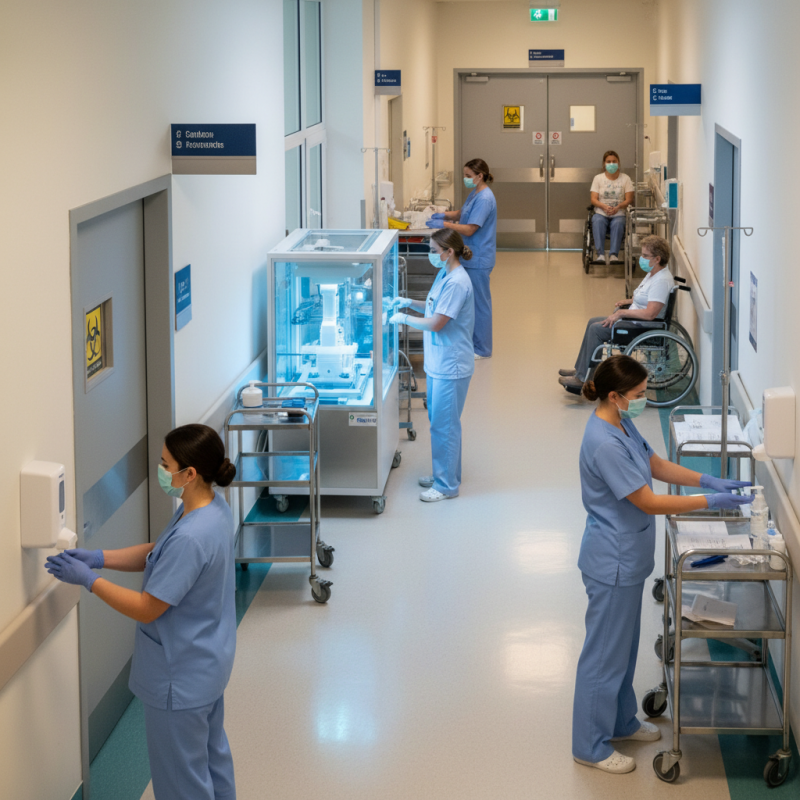
Infection control plays a crucial role in reducing healthcare-associated infections (HAIs). Hospitals are high-risk environments. Patients often have weakened immune systems. Simple actions have significant impacts on patient outcomes.
Effective hand hygiene is vital. It prevents the transfer of pathogens between healthcare workers and patients. Regular training sessions can improve compliance. Yet, some staff may still overlook these practices. Challenging behaviors can hinder progress.
Another key aspect is proper sterilization of medical equipment. Each item must undergo rigorous cleaning processes. However, lapses can lead to outbreaks. It's essential for hospitals to prioritize these protocols. Regular audits can help identify gaps and encourage accountability. The fight against HAIs requires ongoing effort and reflection.
This chart illustrates the reduction in Healthcare-Associated Infections (HAIs) over the years following the implementation of strict infection control measures in hospitals. The data reflects the percentage decrease in various types of HAIs, showcasing the effectiveness of these measures in enhancing patient safety.
Infection control in hospitals is crucial for patient safety. Statistics reveal that approximately one in 31 hospital patients experiences a healthcare-associated infection. These infections can lead to prolonged hospital stays and increased healthcare costs. They also significantly impact patient outcomes. Understanding these numbers can empower healthcare workers to prioritize infection prevention.
To enhance infection control, hospitals must adopt strict sanitation protocols. Hand hygiene is vital. Healthcare workers should wash hands thoroughly before and after each patient interaction. This simple act can reduce infection transmission. Regular training sessions can raise awareness among staff. These sessions can highlight the importance of compliance with infection control measures.
Patients also play a role in infection prevention. They should be encouraged to ask healthcare providers about hand hygiene practices. This engagement fosters a culture of safety. It's essential to recognize that persistent education is necessary. Hospitals must continually evaluate their infection rates and adapt strategies. Adjustments may be required to tackle emerging threats effectively. Understanding the dynamic nature of infections is key to improving patient care.
Infection control in hospitals is critical for patient safety. According to the Centers for Disease Control and Prevention (CDC), about one in 31 hospital patients has at least one healthcare-associated infection (HAI). These infections can significantly increase complications, length of stay, and healthcare costs. Proper infection control practices can reduce these risks.
Core infection control guidelines recommend strict hand hygiene protocols. The World Health Organization (WHO) emphasizes that handwashing can prevent up to 50% of HAIs. Furthermore, the use of personal protective equipment (PPE) is essential to safeguard healthcare workers and patients. PPE must be properly donned and doffed to avoid contamination.
Implemented policies should include regular training for staff. Continuous education improves adherence to recommended practices. Reports indicate that only 40% of healthcare workers comply with best practices consistently. This calls for a reflection on current training methods and their effectiveness. Hospitals must prioritize a culture of safety to enhance infection control measures and protect vulnerable populations.
Infection control in hospitals is crucial for maintaining patient safety. Effective strategies can significantly reduce hospital-acquired infections. This not only saves lives but also impacts finances. When infection rates drop, hospitals can lower costs related to extended patient stays and treatments. Efficient infection control can lead to better resource management.
Implementing infection control measures may require an initial investment. Hospitals must train staff, upgrade equipment, and maintain strict protocols. However, the long-term savings can be substantial. This includes reduced medication costs and fewer legal liabilities. Each infection prevented represents a financial win for healthcare systems.
Tips for effective infection control include regular staff training and consistent monitoring of protocols. Encourage open communication among staff members about infection risks. Utilize technology for tracking infection rates and streamline reporting processes. Regular audits can identify gaps in the current systems, leading to improvement.
Infection control is a critical component of healthcare. Effective training and education for healthcare workers greatly enhance their ability to prevent infections. Knowledgeable staff can identify risks and implement best practices. This empowerment leads to a culture of safety within hospitals.
Training should be ongoing and tailored to specific roles. Workshops and simulations allow staff to practice infection control techniques. Hands-on experience helps solidify understanding. However, gaps in training often exist. Many workers may not feel comfortable asking questions, leading to misunderstandings.
Regular assessments are essential for effective training. Feedback can identify areas for improvement. Encouraging open dialogues can create a safe space for inquiries. Fostering an environment of continuous learning will enhance overall infection prevention efforts. Building confidence among staff is key to a successful infection control strategy.
: Infection control is vital to reduce healthcare-associated infections (HAIs). Hospitals have high risks for infections.
Effective hand hygiene prevents pathogen transfer between healthcare workers and patients. Compliance can save lives.
Regular training sessions help improve compliance with hygiene practices, but some staff may still overlook them.
Proper sterilization prevents outbreaks. Each item must undergo rigorous cleaning, but lapses can occur.
Regular audits can identify gaps in protocols and encourage accountability among staff for infection control.
Training should be ongoing and tailored to specific roles. This helps solidify understanding and skills.
Encouraging open dialogue creates a safe space for questions, but many may hesitate to ask for clarification.
Reports show only 40% of workers consistently comply with best practices. This highlights the need for better methods.
Personal protective equipment (PPE) is crucial for safeguarding healthcare workers and patients, but proper usage is necessary.
Continuous education and building confidence among staff are key to a successful infection control strategy.
In understanding what is the importance of infection control in hospitals, it is crucial to recognize its role in significantly reducing healthcare-associated infections (HAIs). These infections can lead to severe complications, extended hospital stays, and increased healthcare costs. Key statistics highlight the critical nature of infection rates, emphasizing their direct impact on patient care and overall health outcomes.
Core infection control practices, including adherence to strict hygiene protocols, proper use of personal protective equipment, and thorough sanitation measures, form the backbone of effective infection prevention in healthcare settings. Additionally, investing in training and education for healthcare workers empowers them to implement these strategies, ultimately leading to better patient care and financial savings for hospitals. The integration of robust infection control measures is therefore essential in safeguarding both patients and healthcare providers.

RosMed Medical