China’s respiratory support equipment industry has expanded rapidly, serving hospitals, emergency departments, clinics, and home-care patients. This article introduces ten leading Chinese manufacturers and examines their practical strengths.
Before comparing brands, readers should understand what is the role of respiratory support equipment. These devices help patients maintain oxygenation, ventilation, or both when normal breathing becomes inadequate. Oxygen concentrators deliver enriched oxygen. Non-invasive ventilators support breathing through a mask. Intensive-care ventilators provide controlled airflow through advanced monitoring systems.
The difference can be felt at the bedside. A stable home-care patient may need quiet operation and simple controls. An intensive-care patient may require precise pressure, alarm management, humidification, and continuous monitoring. One device cannot meet every clinical need.
Dr. John J. Marini, a respected critical-care physician and respiratory mechanics researcher, has often stressed: “The ventilator is a tool, not a treatment.” That reminder matters. Equipment supports clinical decisions, but it never replaces trained professionals, patient assessment, or timely medical intervention.
Our review considers product range, manufacturing experience, research capacity, quality systems, after-sales service, and suitability for different care environments. Certifications and published specifications provide useful evidence, although they do not tell the whole story. Real-world reliability may depend on maintenance, training, software usability, and local technical support.
Some rankings remain debatable. Market visibility is not identical to clinical performance. A manufacturer with strong exports may not offer the best service in every region. Therefore, this list should guide further evaluation rather than dictate a purchase. Procurement teams should verify current approvals, warranty terms, clinical requirements, and independent performance data before making decisions.
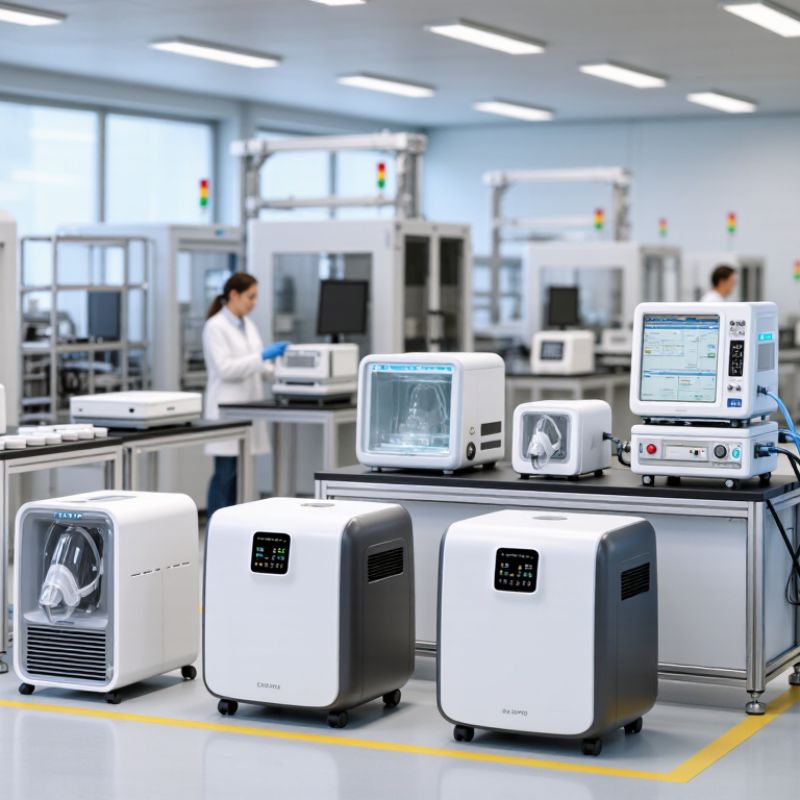
Respiratory support equipment covers far more than mechanical ventilators. It includes oxygen concentrators, oxygen cylinders, high-flow nasal cannula systems, CPAP and BiPAP devices, nebulizers, suction units, humidifiers, and pulse oximeters. Each tool supports a different clinical need, from mild oxygen deficiency to severe respiratory failure. The boundary is not always clear. A patient may require several devices during one treatment journey.
The World Health Organization’s 2024 Global Health Estimates identify chronic obstructive pulmonary disease as a leading global cause of death, with about 3.2 million deaths reported in 2019. WHO also reports that asthma affected approximately 262 million people in the same year. These figures explain why hospitals and home-care providers assess more than airflow. They examine oxygen concentration, pressure accuracy, alarm reliability, battery duration, filter replacement, and cleaning procedures. A quiet device may still fail if its tubing leaks.
Tips: Check the prescribed flow range, not only the product’s maximum output. Confirm backup oxygen access during power cuts. For non-invasive ventilation, mask fit matters greatly; a small leak can disturb sleep and reduce therapy quality.
Equipment selection should match the patient, setting, and staff capability. ISO-based quality systems and WHO technical specifications can support procurement decisions. Still, specifications alone are not enough. Real-world training, maintenance records, and local service capacity often decide whether respiratory support remains dependable.
Equipment coverage overview. This table describes product categories and typical functions; it does not rank or identify manufacturers.
| Equipment Category | What It Does | Common Interfaces or Components | Typical Care Setting | Key Selection Considerations |
|---|---|---|---|---|
| Invasive ventilators | Support or control breathing through an artificial airway, such as an endotracheal tube or tracheostomy tube. | Breathing circuit, patient interface, humidification system, alarms, and monitoring functions. | Intensive care, operating rooms, and other closely monitored clinical settings. | Ventilation modes, patient monitoring, alarm functions, circuit compatibility, and applicable clinical requirements. |
| Non-invasive ventilators | Provide ventilatory support without an endotracheal tube, using a mask or other non-invasive interface. | Face or nasal mask, tubing, exhalation port or valve, and optional humidification. | Hospitals, supervised step-down care, and selected home-care settings. | Interface fit, leak compensation, prescribed support modes, comfort, and cleaning requirements. |
| Continuous positive airway pressure (CPAP) devices | Deliver a continuous level of positive airway pressure to help keep the upper airway open during sleep. | Nasal, pillow, or full-face mask; tubing; and, in some systems, a humidifier. | Sleep clinics and prescribed home therapy. | Pressure range, mask fit, humidification options, noise, and patient comfort. |
| High-flow nasal cannula (HFNC) systems | Deliver warmed, humidified oxygen-enriched gas through a nasal cannula at high flow rates. | Flow generator, gas source, heated humidifier, heated tubing, and nasal cannula. | Hospitals and other settings with appropriate patient monitoring. | Flow and oxygen-concentration controls, humidification performance, cannula sizing, and monitoring needs. |
| Oxygen concentrators | Concentrate oxygen from ambient air to supply supplemental oxygen; they require electrical power and do not store oxygen like a cylinder. | Air intake filters, oxygen outlet, flow control, and nasal cannula or mask. | Prescribed home oxygen therapy and some clinical applications. | Required oxygen flow and concentration, power supply, alarms, maintenance, and portability where needed. |
| Medical oxygen cylinders | Store compressed oxygen for supplemental oxygen delivery or as a backup supply. | Cylinder, pressure regulator, flowmeter, tubing, and patient interface. | Healthcare facilities, transport, and prescribed home use. | Cylinder capacity, regulator compatibility, secure storage, refill arrangements, and safe handling. |
| Oxygen regulators and flowmeters | Reduce cylinder pressure and control or indicate the flow of oxygen supplied to a patient or connected device. | Pressure regulator, flow-control mechanism, outlet connection, and compatible tubing. | Hospitals, clinics, emergency transport, and home oxygen setups. | Gas-source compatibility, flow range, connection type, accuracy, and applicable safety standards. |
| Respiratory humidifiers | Add moisture to respiratory gas to help reduce dryness during oxygen or ventilatory support. | Water chamber, heater where applicable, tubing, and temperature controls or sensors. | Used with selected oxygen-delivery and ventilation systems. | Compatibility with the connected system, humidification method, temperature control, and cleaning instructions. |
| Nebulizers | Convert liquid medication into an inhalable aerosol for delivery through a mouthpiece or mask. | Medication cup, aerosol generator, mouthpiece or mask, and power source or gas supply. | Clinics, hospitals, and prescribed home treatment. | Medication compatibility, aerosol output, treatment time, cleaning, and suitability for the intended user. |
| Airway suction systems | Remove secretions from the airway or associated tubing using controlled negative pressure. | Suction pump, collection canister, tubing, and appropriate suction catheter or tip. | Hospitals, clinics, transport, and prescribed home care. | Pressure control, collection capacity, portability, infection-control procedures, and compatible accessories. |
It includes ventilators, oxygen concentrators, cylinders, high-flow nasal systems, CPAP and BiPAP devices, nebulizers, suction units, humidifiers, and pulse oximeters. Each serves different needs. Some patients use several devices during treatment.
Check the prescribed flow range, not just the device’s maximum output. Confirm backup oxygen access during power cuts. A printed specification cannot show every real-world issue.
A small leak can disturb sleep and reduce therapy quality. Check the fit carefully. Comfort matters, but it is not the only consideration.
Buyers can review oxygen concentration, pressure accuracy, alarms, battery life, filters, and cleaning instructions. Tubing leaks may cause problems even when a device runs quietly.
It includes full-device producers, specialist workshops, component suppliers, and contract manufacturers. A finished device may depend on sensors, valves, compressors, tubing, and circuit boards. The casing tells only part of the story.
Compare test reports, quality controls, safety checks, clinical evidence, and service coverage. Rankings can miss important differences. No list is perfect.
Useful support includes installation, staff training, maintenance, calibration, and replacement parts. Ask who will service the device locally. That detail is easy to overlook.
A low purchase price may not include training, repairs, filters, or spare parts. Battery life can matter during transport. Small delays can become serious.
Specifications help compare products, but they cannot replace practical evaluation. Check how equipment performs under different conditions and how users receive training. I would still want clear service records.
This article explains what respiratory support equipment covers, from devices that help patients breathe more comfortably to systems that monitor and assist respiratory function. It also asks what is the role of respiratory support equipment in clinical care and home settings, highlighting how appropriate support can aid breathing, improve patient monitoring, and contribute to safer care. The overview describes how China’s respiratory equipment industry is structured, including the range of manufacturers and capabilities involved in producing these technologies.
The article introduces ten Chinese manufacturers without focusing on brand promotion, and summarizes the key product types and technologies they offer. It also outlines practical ways to evaluate a potential supplier, such as reviewing product specifications, quality controls, technical support, production capacity, and suitability for the intended application. These considerations can help readers compare manufacturers and make informed choices based on patient needs, operational requirements, and long-term service expectations.

 RosMed Medical