China Top 10 Single Use Medical Items What Are the Benefits?

Time:2026-09-20 Author:Ethan
0%

China’s medical manufacturing sector supplies a broad range of single use products for hospitals, clinics, laboratories, and home-care settings. This guide explores China’s top 10 single use medical items, including syringes, examination gloves, masks, infusion sets, catheters, wound dressings, surgical gowns, specimen containers, suction tubes, and blood collection tubes.

The practical question is: what are the benefits of single use medical items? A sealed syringe can provide a clean, ready-to-use solution beside a patient’s bed. Disposable gloves may help reduce contact with fluids during wound care. Pre-sterilized infusion sets can also simplify preparation and support more consistent clinical routines. These products can save cleaning time, reduce cross-use risks, and improve workflow efficiency when handled correctly.

However, “single use” does not automatically mean perfect or risk-free. Product quality, packaging integrity, sterilization records, material safety, and traceability still require careful review. A damaged package should never be ignored. In my experience, procurement teams often focus heavily on price, while overlooking fit, comfort, labeling, and disposal arrangements. That can create avoidable problems.

Reliable manufacturers should demonstrate consistent production controls, clear technical documentation, and responsive quality support. Buyers may also compare samples, inspect packaging, and verify relevant certifications before placing larger orders. The following overview considers both the advantages and limitations of these ten medical items, helping healthcare organizations make more informed, practical purchasing decisions.
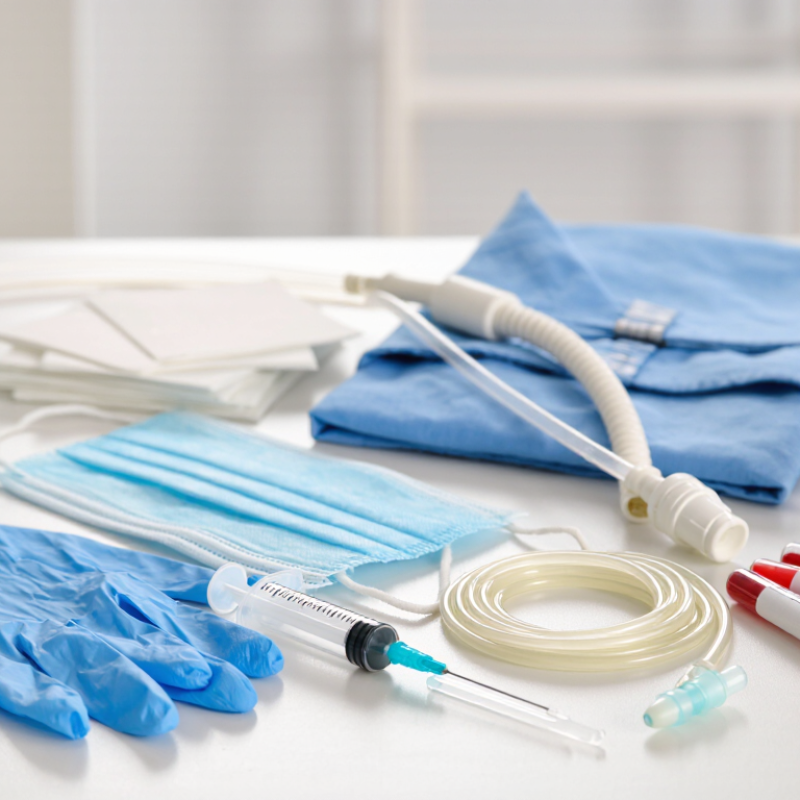
China Top 10 Single Use Medical Items What Are the Benefits?

What Are Single-Use Medical Items and Why Are They Used?

Single-use medical items are devices or supplies designed for one patient encounter or one procedure, then discarded. Common examples include syringes, needles, gloves, surgical masks, infusion sets, catheters, swabs, and protective gowns. Their main purpose is straightforward: reduce contamination between patients. A sealed syringe, for example, reaches the treatment room sterile and ready for use. This removes cleaning and reprocessing steps that may fail when equipment is poorly handled.

Infection-control guidance from the World Health Organization and the U.S. Centers for Disease Control and Prevention supports single-use practice when sterility cannot be reliably restored. These items also improve workflow. Nurses can open a labeled pack beside the patient, check its integrity, and use it immediately. That consistency matters in emergency care, vaccination, dialysis, and surgery. Some supplies also reduce exposure to blood and body fluids, especially when they include built-in safety features.

The trade-off is real. The WHO reports that about 15% of healthcare waste is hazardous, including infectious and sharp materials. Single-use products can add to this stream when segregation is weak. More waste does not automatically mean better care. Facilities must combine procurement controls, staff training, safe sharps disposal, and documented infection-prevention procedures. A sealed product can still be misused. That detail deserves attention. Selection should consider clinical risk, packaging, storage conditions, and disposal capacity, not only the label “single-use.”

Which Ten Single-Use Medical Items Are Commonly Made in China?

China’s medical manufacturing base covers a wide range of disposable products, not only protective equipment. WHO’s February 2020 market update reported that personal protective equipment demand rose up to 100-fold during the pandemic. That pressure exposed China’s production scale, but scale does not guarantee clinical reliability. Lower prices can help hospitals manage budgets and maintain emergency stock.

Which ten items are commonly made in China? The list includes disposable syringes, hypodermic needles, intravenous infusion sets, suction catheters, surgical masks, nitrile examination gloves, sterile gauze, adhesive wound dressings, urine drainage bags, and blood-collection tubes. These products support injections, fluid delivery, sampling, wound care, and bedside hygiene. Many factories offer flexible volumes and packaging options. That is useful, sometimes.

Procurement teams should check relevant ISO 13485 systems, sterile-barrier validation, lot traceability, and registration records. An item may look identical online but differ in polymer grade, needle sharpness, leakage resistance, or package integrity. Independent sampling matters. The WHO Medical Device Technical Series recommends risk-based selection and post-market surveillance. UN Comtrade data also shows China’s strong presence in several related medical-product trade categories, although customs codes do not prove clinical performance. The uncomfortable point is simple: a low quotation is not a medical benefit. Evidence still decides.

China Top 10 Single Use Medical Items What Are the Benefits? - Which Ten Single-Use Medical Items Are Commonly Made in China?

The following is a representative list of widely manufactured single-use medical items in China. It is organized by common use and manufacturing presence rather than verified market-share ranking. Availability, specifications, and regulatory status may vary by product and destination market.

No. Single-Use Medical Item Typical Materials Common Clinical Applications Key Benefits Typical Sterilization or Safety Feature Important Quality Considerations
1 Disposable Syringes Medical-grade polypropylene barrel and polyethylene or polypropylene plunger; synthetic rubber gasket Injection, medication administration, irrigation, and withdrawal of body fluids Helps prevent cross-contamination, provides accurate volume measurement, and eliminates the need for cleaning and reprocessing Usually supplied sterile and individually packaged; commonly sterilized by ethylene oxide or radiation Smooth plunger movement, clear graduations, leak resistance, low dead space where required, and secure needle or luer connection
2 Disposable Hypodermic Needles Stainless-steel cannula with a polymer hub and protective cap Subcutaneous, intramuscular, and intravenous injections; blood collection and other needle-based procedures Provides a sharp, sterile access device while reducing the risk of reuse-related infection and needlestick exposure from improper handling Typically sterile and individually packaged; safety-engineered versions may include a protective shield or locking mechanism Bevel sharpness, consistent gauge and length, secure hub attachment, smooth surface, sterility, and accurate labeling
3 IV Infusion Sets Medical-grade PVC, polyethylene, polypropylene, elastomer components, and stainless-steel or polymer access parts Administration of intravenous fluids, blood components, and certain medications Supports controlled fluid delivery, reduces setup time, and avoids the contamination risks associated with reusable tubing Usually supplied sterile and single-use; ethylene oxide or radiation may be used depending on the design Flow accuracy, tubing clarity, connector compatibility, clamp performance, particle control, and resistance to leakage or kinking
4 Disposable Examination Gloves Nitrile, natural rubber latex, or vinyl Routine examination, nursing care, specimen handling, and protection from contact with body fluids Creates a barrier between the wearer and potentially contaminated materials; quick to change between tasks and patients Examination gloves are commonly non-sterile; sterile versions are packaged and sterilized for invasive procedures Correct size, tensile strength, freedom from holes, cuff integrity, acceptable powder status, skin compatibility, and suitable barrier performance
5 Surgical Masks Nonwoven polypropylene layers, filtration media, elastic ear loops or ties, and a nose-fit component Source control and protection against splashes and large respiratory droplets in healthcare settings Lightweight, disposable, and convenient for routine infection-control practices; reduces contamination of the clinical environment Normally supplied clean and non-sterile unless specifically labeled otherwise; designed for single-use disposal Filtration performance, breathability, splash resistance where claimed, fit around the nose and face, secure attachment, and low linting
6 Disposable Protective Gowns and Coveralls Spunbond, meltblown, spunlace, polyethylene-coated nonwoven fabric, or other medical barrier materials Isolation care, surgery, laboratory work, cleaning, and procedures involving possible fluid exposure Protects clothing and skin, simplifies infection-control workflows, and can be selected for different levels of fluid resistance May be non-sterile for general protection or sterile when intended for a sterile procedure; single-use construction avoids reprocessing Seam strength, coverage, cuff and neck design, tear resistance, fluid penetration performance, breathability, and correct protective classification
7 Urine Drainage Bags Flexible PVC or other medical-grade polymer film, tubing, connectors, and drainage valves Collection and monitoring of urine from patients with urinary catheters or limited mobility Provides a closed collection system, supports urine-volume monitoring, and reduces manual handling and spillage Generally supplied sterile for connection to a urinary catheter; commonly sterilized by ethylene oxide Leak resistance, reliable outlet valve, secure connectors, readable volume markings, tubing flexibility, and effective anti-reflux design where applicable
8 Disposable Catheters Medical-grade polyurethane, silicone, PVC, or other biocompatible polymers Urinary drainage, vascular access, medication delivery, fluid drainage, and selected diagnostic procedures Provides a sterile pathway for access or drainage and avoids the cleaning, inspection, and reprocessing required for reusable devices Typically supplied sterile and individually packaged; sterilization method depends on material and design Biocompatibility, smoothness, flexibility, dimensional accuracy, connector security, radiopacity where required, and atraumatic tip design
9 Wound Dressings and Absorbent Pads Nonwoven fabric, cotton or cellulose fibers, absorbent polymers, gauze, foam, or adhesive layers Covering wounds, absorbing exudate, protecting skin, and supporting basic postoperative care Helps protect the wound from external contamination, manages moisture or exudate, and permits fast application and disposal Sterile versions are individually packaged; common methods include ethylene oxide, radiation, or steam when compatible Absorbency, lint control, conformability, adhesion where applicable, skin compatibility, package integrity, and ease of removal
10 Specimen Collection Containers Polypropylene or polyethylene container, screw cap, label area, and optional preservative or transport medium Collection and transport of urine, stool, sputum, saliva, tissue, and other clinical specimens Reduces specimen leakage and contamination, supports safer transport, and simplifies laboratory identification and handling May be sterile or non-sterile depending on the intended specimen and test; sealed packaging helps preserve product condition Leak-proof closure, chemical compatibility, adequate capacity, clear labeling area, specimen integrity, and secure transport packaging

How Do These Items Support Safer and More Efficient Care?

China’s top ten single-use medical items include syringes, needles, examination gloves, masks, gowns, IV sets, catheters, specimen containers, wound dressings, and surgical drapes. These products support safer care by reducing cross-patient contamination. A sealed syringe, for example, protects medication handling from preparation through injection. Clear packaging also helps staff check sterility, damage, and expiry dates before use.

Efficiency matters Efficiency matters at busy hospitals and clinics. Ready-to-use IV sets reduce preparation steps. Pre-packed dressing materials can shorten wound-care procedures. Disposable gowns and gloves support quick changes between patients. Standardized sizes may also simplify stock control. In my experience, staff work more consistently when packaging opens easily and labels remain readable under bright clinical lighting. Small details matter.

However, single-use does not automatically mean safe. Poor storage, damaged seals, or rushed disposal can weaken their benefits. Waste is another concern, especially when facilities lack effective segregation systems. Reliable suppliers should provide traceable batches, validated sterilization information, clear instructions, and responsive quality support. Healthcare teams still need practical training and routine checks. A product can perform well on paper yet frustrate nurses during a crowded shift. That gap deserves honest review. Safety improves when product design, professional judgment, and disciplined procedures work together.

How Are Quality, Sterility, and Regulatory Compliance Maintained?

China’s top 10 single-use medical items can offer practical benefits when quality controls are visible and consistent. Common examples include syringes, infusion sets, surgical gowns, masks, gloves, catheters, specimen containers, wound dressings, drainage bags, and blood collection products. Their disposable design reduces cleaning demands and limits cross-patient contamination risks. However, single-use does not automatically mean safe.

Quality begins with controlled materials, trained operators, and documented production steps. Medical-grade polymers should meet defined specifications, while cleanroom conditions require regular monitoring. Manufacturers typically inspect dimensions, seals, connectors, and packaging integrity. Records matter. Each lot should remain traceable from raw material receipt to final release. Risk management, often aligned with ISO 14971, helps identify failure points before products reach hospitals. Practical experience shows that small defects can matter, such as a loose cap or a fragile pouch.

Sterility requires validated processes, not simply a sterilization label. Depending on the device, facilities may validate ethylene oxide, radiation, or other approved methods. They should monitor bioburden, sterilization parameters, residuals, and shelf-life performance. Packaging must protect the sterile barrier during transport and storage. Regulatory compliance also depends on the destination market, with quality systems commonly aligned with ISO 13485 and applicable national requirements. No system is flawless. A rushed audit, incomplete supplier review, or unclear change record can weaken confidence. Continuous testing, independent verification, complaint analysis, and honest corrective action remain essential.

China Top 10 Single-Use Medical Items: Benefits, Quality, Sterility, and Regulatory Compliance

The chart shows whether each commonly used single-use medical item is typically supplied as a sterile product. Product-specific requirements may vary according to intended use, packaging, labeling, and applicable NMPA standards.

Single-use products help reduce cross-contamination, simplify reprocessing, and provide consistent performance. For sterile versions, manufacturers typically maintain quality through validated sterilization processes, controlled manufacturing environments, sterile-barrier packaging, lot traceability, biocompatibility testing, and documented quality-management procedures. A value of 1 indicates that sterile supply is common; 0 indicates that both sterile and non-sterile versions are commonly available.

What Should Buyers Consider When Choosing Chinese Suppliers?

China Top 10 Single Use Medical Items: What Are the Benefits?

Buyers should assess Chinese suppliers beyond price and product variety. Common single-use items include syringes, gloves, masks, infusion sets, wound dressings, and specimen containers. A 2024 Fortune Business Insights report estimated the global disposable medical supplies market at nearly USD 79 billion. Demand is growing, but quality differences remain significant.

Request valid manufacturing licenses, ISO 13485 certification, product test reports, and sterilization records. Confirm whether certificates cover the exact model, material, and production site. Traceability matters. Each shipment should have batch numbers, expiry dates, packaging specifications, and carton labels. Ask for evidence. Do not accept copied documents or unclear laboratory reports.

Supplier audits should examine cleanroom controls, incoming-material inspection, sealing strength, and complaint handling. The World Health Organization’s 2023 technical guidance emphasizes risk-based procurement and reliable product information. Buyers should also check independent testing, not only factory declarations. A 2023 McKinsey medical-supply-chain analysis noted that visibility and resilience are becoming major procurement priorities. In practice, a low quotation may hide weak packaging or inconsistent delivery. Sample testing helps, although one successful sample proves little. I would compare three production batches, review transport conditions, and inspect random cartons before signing a long contract. Supplier communication can look excellent during negotiations, yet after-sales response may still disappoint. That risk deserves a written service agreement.

FAQS

What are single-use medical items?

These are supplies designed for one patient encounter or one procedure. Examples include syringes, gloves, masks, catheters, swabs, and infusion sets. They are discarded after use. Not reused.

Why are single-use items used in healthcare?

Their main purpose is reducing contamination between patients. A sealed syringe arrives ready for use. It avoids cleaning steps that may fail when equipment is handled poorly. This benefit is practical, but not automatic.

How do these products improve clinical efficiency?

Ready-to-use infusion sets reduce preparation time. Pre-packed dressings can shorten wound-care procedures. Staff can open a labeled package beside the patient. Small details matter.

What should staff check before using a single-use item?

They should inspect the seal, package, expiry date, and product condition. A damaged pouch can weaken sterility. Storage temperature and moisture exposure also deserve attention. Labels must remain readable.

How is sterility maintained?

Sterility depends on validated processes and protective packaging. Approved methods may include gas treatment or controlled radiation. Facilities should monitor contamination levels, process parameters, residuals, and shelf life. A sterilization label alone is not enough.

How can healthcare facilities verify product quality?

They should review materials, production records, inspections, and batch traceability. Checks may cover dimensions, connectors, caps, seals, and packaging strength. Quality systems should identify risks before products reach patients. Small defects matter.

Do single-use products automatically guarantee safe care?

No. Poor storage, damaged seals, rushed disposal, or incorrect use can create risks. Staff training and routine checks remain necessary. A product may perform well in testing but frustrate nurses during a crowded shift. That gap deserves review.

How should facilities manage waste from these products?

They should separate infectious and sharp waste using documented procedures. Sharps require suitable disposal containers. Weak segregation can increase hazardous waste risks. More waste does not automatically mean better care.

What should buyers consider when selecting single-use medical items?

Selection should reflect clinical risk, packaging, storage conditions, and disposal capacity. Buyers should request clear instructions, traceable batches, and sterilization information. Supplier reviews and complaint analysis are also useful. No system is flawless.

Conclusion

Single-use medical items are products designed for one patient encounter and then safely discarded, reducing the risk of cross-contamination and simplifying infection control. Commonly manufactured in China, these items include syringes, needles, examination gloves, surgical masks, infusion sets, wound dressings, catheters, specimen containers, surgical gowns, and disposable respirators. Their use helps healthcare professionals save preparation time, improve workflow efficiency, and maintain consistent hygiene standards.

When considering what are the benefits of single use medical items, buyers should focus on patient safety, convenience, sterility, and reliable performance. Responsible manufacturers maintain quality through controlled production environments, validated sterilization processes, material inspections, batch testing, traceability, and clearly documented quality systems. Buyers should also evaluate supplier experience, production capacity, product specifications, packaging integrity, certifications, regulatory compliance in the target market, and after-sales communication. A careful supplier assessment helps ensure that disposable medical products meet clinical needs while supporting safe, efficient, and dependable healthcare delivery.

Ethan

Ethan

Ethan is a seasoned marketing professional with a deep expertise in our company's innovative product line. With a passion for sharing knowledge and insights, he takes the lead in regularly updating our corporate blog, where he explores industry trends, product features, and effective marketing......