What is the Role of Respiratory Support Equipment in Healthcare?

Time:2026-05-28 Author:Charlotte
0%

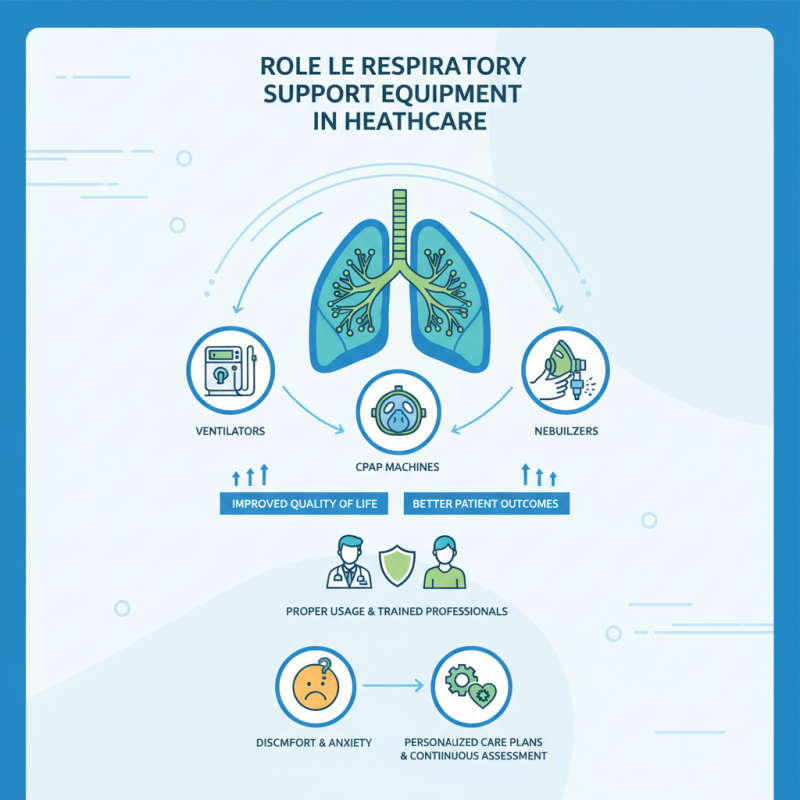
In modern healthcare, respiratory support equipment plays a crucial role in patient management. Understanding what is the role of respiratory support equipment is vital for both providers and patients. These devices aid individuals with compromised respiratory systems, improving their quality of life and ensuring better outcomes.

Various types of equipment are available, including ventilators, CPAP machines, and nebulizers. Each serves a unique purpose, from delivering oxygen to supporting those who cannot breathe independently. The effectiveness of these devices often hinges on proper usage and timely intervention. Mismanagement can lead to significant health risks, prompting the need for healthcare professionals to stay informed and trained.

Despite advancements, not every patient responds positively to respiratory support. Some may struggle with discomfort or anxiety. Continuous assessment and personalized care plans are necessary to address these challenges. This dynamic landscape emphasizes the importance of understanding what is the role of respiratory support equipment in patient care.
What is the Role of Respiratory Support Equipment in Healthcare?

Overview of Respiratory Support Equipment in Healthcare

Respiratory support equipment plays a vital role in modern healthcare. These devices assist patients with respiratory distress, ensuring adequate oxygenation and ventilation. According to a report from the World Health Organization, respiratory diseases account for over 10% of global mortality. This highlights the need for effective respiratory support solutions.

Various types of respiratory support equipment are in use today. These include ventilators, nebulizers, and oxygen concentrators. Each device is designed to meet the specific needs of patients. For example, mechanical ventilators are critical in intensive care units. They provide life-saving support for patients who cannot breathe on their own. Meanwhile, nebulizers deliver medication directly to the lungs, aiding in conditions like asthma. Statistics show that asthma affects about 300 million people worldwide, underscoring the importance of such devices.

Despite advancements, challenges remain. Equipment access can be limited, especially in low-resource settings. Furthermore, training healthcare providers on proper use is crucial. Incorrect usage can lead to complications. Reports indicate that almost 50% of respiratory therapy failures relate to operator error. This calls for ongoing education and awareness in respiratory care. Ensuring both access and training is key to maximizing the effectiveness of respiratory support equipment.

Types of Respiratory Support Equipment and Their Functions

Respiratory support equipment plays a crucial role in healthcare, especially for patients with breathing difficulties. Among the various types of equipment, oxygen therapy devices are common. They deliver oxygen directly to patients, enhancing their oxygen levels. This is vital for conditions like COPD or pneumonia. Portable oxygen concentrators offer mobility, allowing patients to breathe easier while maintaining an active lifestyle.

Mechanical ventilators are another essential piece of equipment. They assist patients who cannot breathe adequately on their own. These machines regulate airflow and provide precise volumes of air. In critical care settings, they are lifesaving tools. However, dependency on mechanical ventilation can lead to muscle weakness in patients over time.

CPAP machines are specifically designed for people with sleep apnea. They utilize a gentle airflow to keep airways open during sleep. While effective, some patients may struggle with discomfort or mask-related issues. Continuous follow-up and adjustments are often necessary to ensure optimal use. Overall, each type of respiratory equipment has its specific function and challenges, requiring careful monitoring and management.

Indications for the Use of Respiratory Support Devices

Respiratory support devices play a crucial role in modern healthcare. They are essential for patients with impaired lung function. Conditions like chronic obstructive pulmonary disease (COPD) and pneumonia often require supplemental oxygen. According to the World Health Organization, over 250 million people globally suffer from COPD. This high prevalence underscores the importance of effective respiratory devices in the clinical setting.

Indications for the use of these devices range from acute respiratory distress to chronic management of lung diseases. Non-invasive ventilation (NIV) can assist patients who are unable to breathe independently. Research published by the American Thoracic Society shows that NIV reduces mortality rates in severe cases by 30%. Moreover, patients with sleep apnea benefit greatly from continuous positive airway pressure (CPAP) machines, which help normalize breathing during sleep.

However, reliance on respiratory support also raises concerns. Overuse can lead to dependency, where patients can struggle to breathe without assistance. The healthcare community must remain vigilant about this. An ongoing evaluation of therapy effectiveness and patient outcomes is necessary to ensure optimal care. Balancing the benefits of respiratory support with potential pitfalls is essential for healthcare providers.

Impact of Respiratory Support on Patient Outcomes

Respiratory support equipment plays a crucial role in improving patient outcomes. This equipment ranges from oxygen masks to advanced ventilators. Each tool varies in complexity and application, catering to different clinical needs. Proper usage can significantly enhance respiratory function in patients with conditions like COPD or pneumonia.

Patients receiving adequate respiratory support often experience shorter hospital stays. They may also show improved oxygen saturation levels and reduced distress. However, reliance on this equipment can lead to complications, such as vent-dependent respiratory muscle weakness. It's vital for healthcare providers to assess the individual needs of patients regularly. This approach minimizes risks while maximizing the benefits of respiratory support.

Monitoring and adjustments are essential. Some patients may require additional interventions despite initial support. Furthermore, there's the challenge of patient comfort and compliance. Balancing effective treatment with quality of life can be difficult. Healthcare teams must remain vigilant and adaptable to achieve optimal outcomes.

What is the Role of Respiratory Support Equipment in Healthcare? - Impact of Respiratory Support on Patient Outcomes

Type of Respiratory Support Equipment Purpose Patients Typically Treated Impact on Patient Outcomes
Mechanical Ventilator Assists or replaces spontaneous breathing Patients with severe respiratory failure Improved survival rates and reduced respiratory distress
Continuous Positive Airway Pressure (CPAP) Maintains open airways during sleep Patients with obstructive sleep apnea Better sleep quality and reduced daytime fatigue
Bi-level Positive Airway Pressure (BiPAP) Provides two levels of pressure for inhalation and exhalation Patients with COPD and other chronic respiratory diseases Reduced hospital admissions and improved quality of life
Oxygen Concentrator Delivers concentrated oxygen to patients Patients with chronic respiratory illnesses and heart conditions Increased oxygen saturation and enhanced physical activity
Nebulizer Administers medication in vapor form for inhalation Patients with asthma or bronchitis Improved symptom management and reduced exacerbation frequency

Future Trends in Respiratory Support Technology in Healthcare

The future of respiratory support technology is evolving rapidly. Innovations are enhancing patient care and improving outcomes. Artificial intelligence is playing a vital role. AI can analyze data to predict respiratory problems early. This offers doctors timely interventions. Wearable devices also show promise. They can monitor patients' respiratory rates and oxygen levels constantly. This data helps in making informed decisions swiftly.

Telemedicine is another growing trend. Patients can consult specialists remotely, improving access to care. Remote monitoring tools allow healthcare providers to track patients' conditions from home. This reduces the burden on hospitals and clinics. However, challenges remain. Not all patients have access to these technologies. The digital divide raises concerns about equity in healthcare.

Training for healthcare professionals is crucial. They need to stay updated on new technologies. Effective implementation of these tools is essential for success. Continuous learning will ensure that they use these innovations effectively. Balancing technology with a human touch is vital in respiratory care. Patients often seek reassurance and compassionate support from caregivers.

Future Trends in Respiratory Support Technology in Healthcare

This chart illustrates the projected market growth for various types of respiratory support equipment over the next five years. It highlights the increasing importance and reliance on these technologies in healthcare settings, particularly in response to rising respiratory-related health challenges.

FAQS

: What is the role of respiratory support equipment in healthcare?

: Respiratory support equipment assists patients with breathing difficulties and ensures adequate oxygenation and ventilation.

What types of respiratory support devices are commonly used?

Common devices include mechanical ventilators, nebulizers, and oxygen concentrators, each serving specific patient needs.

How do mechanical ventilators assist patients?

They provide life-saving support for patients unable to breathe independently, regulating airflow and air volume effectively.

Why are portable oxygen concentrators important?

They enhance oxygen levels for patients, allowing them greater mobility while maintaining an active lifestyle.

What challenges do healthcare providers face with respiratory devices?

Limited access in low-resource settings and improper use due to lack of training can complicate care and efficacy.

What are the indications for using respiratory support devices?

Devices are used for conditions like COPD and pneumonia, supporting patients with impaired lung function.

What is the concern with over-reliance on respiratory support?

Dependency can develop, making it difficult for patients to breathe independently without assistance.

How does ongoing education impact the effectiveness of respiratory equipment?

Continuous training for healthcare providers can significantly reduce operator errors and improve patient outcomes.

What is the role of CPAP machines in treating sleep apnea?

CPAP machines keep airways open during sleep, but patient discomfort may require frequent adjustments for optimal use.

How significant is the monitoring of respiratory therapy effectiveness?

Regular evaluation is crucial to balance therapy benefits and potential risks, ensuring optimal patient care outcomes.

Conclusion

Respiratory support equipment plays a crucial role in modern healthcare by providing essential assistance to patients experiencing respiratory distress. This equipment encompasses various devices, including ventilators, nebulizers, and oxygen therapy systems, each designed to perform specific functions that aid in respiratory management. The indications for using these devices range from chronic respiratory conditions to acute emergencies, highlighting their importance in promoting patient health and safety.

Moreover, the impact of respiratory support on patient outcomes is significant, often improving recovery rates and enhancing the quality of life for those with respiratory challenges. As technology continues to advance, the future of respiratory support equipment is poised for innovations that will further enhance its effectiveness and accessibility in healthcare settings. Understanding what is the role of respiratory support equipment is vital for healthcare providers to ensure optimal patient care and outcomes.

Charlotte

Charlotte

Charlotte is a seasoned marketing professional with a deep understanding of the company's portfolio and a passion for elevating its presence in the market. With a keen eye for detail and a commitment to excellence, she ensures that our professional blog is regularly updated with insightful articles......