The popularity of disposable medical products has surged globally. Healthcare systems face rising demands. Hospitals and clinics seek efficient solutions. This is one reason why disposable medical products are widely used. They minimize the risk of infection. Single-use items help maintain sterile environments.
However, there are concerns about environmental impact. Many disposable products contribute to significant medical waste. This creates a dilemma for healthcare providers. Balancing safety with sustainability is challenging. Despite these issues, the convenience offered by disposable items often outweighs the negatives.
Furthermore, cost-effectiveness adds to their appeal. They reduce the need for extensive cleaning and sterilization. This saves time and resources. Additionally, disposable products can enhance patient care. Quick access to sterile tools can lead to better outcomes. Thus, understanding why disposable medical products are widely used reveals a complex landscape of benefits and drawbacks.
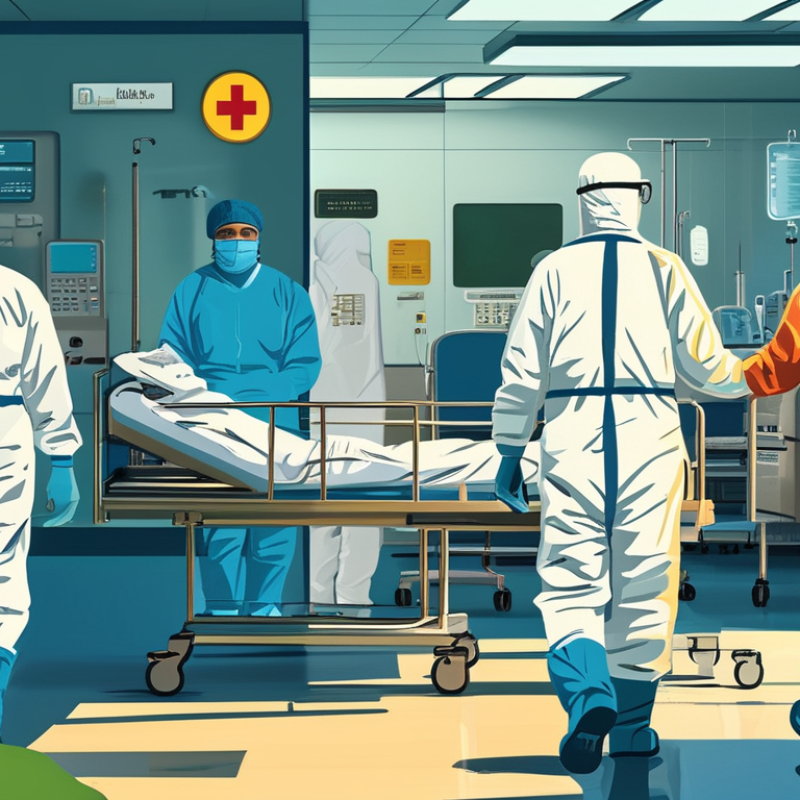
The global healthcare landscape has witnessed a significant shift towards disposable medical products. This trend is driven by a growing recognition of their benefits in infection control, convenience, and cost-effectiveness. According to a report by Grand View Research, the global market for disposable medical supplies was valued at approximately $140 billion in 2022 and is expected to expand at a compound annual growth rate (CAGR) of 6.3% from 2023 to 2030. This surge underscores the increasing reliance on single-use items across various medical fields.
One compelling factor in this rise is the emphasis on patient safety. Disposable products reduce the risk of cross-contamination, which is crucial in environments like hospitals. A study published by the Journal of Hospital Infection highlighted that reusable items contribute to higher infection rates compared to their disposable counterparts. While the convenience of disposables is clear, there is an ongoing debate about environmental impact and waste management. The healthcare sector must find ways to balance efficiency with sustainability.
When choosing medical products, consider potential waste. Seek eco-friendly alternatives where possible. Regularly assess your inventory to avoid over-purchasing. Staying informed about new technologies can also aid in making responsible choices. The goal is to improve patient care while minimizing our carbon footprint.
Disposable medical products have surged in popularity worldwide due to several influential factors. One significant reason is increased focus on infection control. With the rising awareness of hospital-acquired infections, healthcare providers prioritize hygiene. Disposable items are often seen as a solution to minimize the risk of cross-contamination. A single-use item eliminates the need for sterilization, which can be cumbersome and error-prone.
Another contributing factor is convenience. Healthcare professionals often work in fast-paced environments. They require tools and materials that are ready to use. Disposable products save time in preparation and cleanup. This allows medical staff to focus on patient care instead of worrying about the proper cleaning of instruments.
However, this reliance on disposable items may lead to environmental concerns that demand reflection. Cost-effectiveness plays a role as well. While the initial purchase of disposable products can seem high, the long-term savings in labor and sterilization costs often justify the expense. Yet, it’s essential to critically assess the environmental impact.
With increasing waste generation, finding a balance between convenience and sustainability remains a challenge. Hospitals must evaluate their choices carefully, considering both patient safety and ecological footprint.
Disposable medical products have gained immense popularity due to their distinct advantages. One significant aspect is infection control. These products reduce the risk of cross-contamination, which is crucial in medical settings. For instance, single-use syringes or scalpels help maintain sterile environments. This simplicity in use is incredibly beneficial for healthcare providers.
Another advantage is cost-effectiveness. Disposable items often require less maintenance and can streamline processes. Hospitals benefit from reduced cleaning and sterilization efforts, allowing staff to focus on patient care. However, it's essential to recognize the environmental concerns associated with single-use products. The accumulation of waste can lead to pressing ecological issues.
Despite their popularity, the reliance on disposable medical products invites reflection. While they enhance safety and efficiency, addressing their environmental impact is crucial. Exploring sustainable alternatives could redefine their role in healthcare. Balancing convenience with ecological responsibility is a challenge worth pursuing.
The rise of disposable medical products has sparked important discussions about their environmental impact. While these items offer convenience and safety, their long-term effects on the planet are concerning. For instance, single-use plastics, commonly found in medical settings, take hundreds of years to decompose. Many hospitals generate significant waste from items that are used only once.
Recycling efforts are often inadequate in the medical field. Limited infrastructure in many regions hinders proper disposal of these products. As a result, many end up in landfills, contaminating ecosystems. The challenge lies in balancing safety and sustainability. Professionals in healthcare must consider alternatives, such as reusable options. However, these alternatives often require more upfront investment and changes to familiar practices.
The demand for quick and efficient care complicates the situation. Fast-paced environments may prioritize immediate needs over environmental considerations. This raises questions about responsibility. Are we willing to sacrifice our planet for convenience? Addressing these complexities is essential for a sustainable future in healthcare.
This bar chart illustrates the global usage of various disposable medical products, highlighting the increasing reliance on these items in healthcare systems worldwide. The data indicates a notable rise in the consumption of disposable syringes, gloves, and masks, driven by factors such as convenience, hygiene, and the need to prevent infectious disease transmission.
The disposable medical products market is rapidly evolving. One major trend is the increasing demand for eco-friendly options. While these products are convenient, sustainability is crucial. Many manufacturers are exploring biodegradable materials. Consumers are becoming more aware of their environmental impact. They often question the longevity of traditional disposable items.
Another trend is the integration of technology. Smart disposable products are on the rise. These innovations can monitor patient health and provide real-time data. However, this introduces concerns about data security and privacy. Some healthcare professionals worry about over-reliance on technology. Balancing innovation with patient safety remains a challenge.
Regulatory changes will shape the market's future as well. Governments are implementing stricter guidelines to ensure product safety. While this is necessary, it may slow down the introduction of new products. Manufacturers will need to adapt quickly to stay competitive. Ultimately, the future of disposable medical products hinges on innovation, sustainability, and meeting regulatory standards.
: Disposable medical products enhance infection control and reduce cross-contamination risks. They also simplify use for healthcare providers.
They reduce maintenance costs and streamline processes, allowing staff to focus more on patient care.
Single-use items generate significant waste and take hundreds of years to decompose, harming ecosystems.
No, many regions lack proper recycling infrastructure, leading to increased landfill waste.
Exploring reusable options could be one way, but these often involve higher initial costs and changes in practices.
The demand for quick care often prioritizes immediate needs, overshadowing long-term environmental considerations.
They need to reflect on the importance of both convenience and the ecological impact of their choices.
Many believe their convenience outweighs environmental concerns, but the reality may require rethinking those priorities.
While they improve efficiency, their environmental impact raises significant questions about responsibility and future practices.
Balancing the benefits of convenience with the pressing need for ecological responsibility is a complex issue.
The popularity of disposable medical products worldwide can be attributed to several key factors that enhance their use in healthcare settings. Reasons for why disposable medical products are widely used include their convenience, the reduction of cross-contamination risks, and the ability to provide a higher standard of hygiene. The rise of these products has transformed the global healthcare landscape, providing healthcare professionals with reliable tools that require less time for cleaning and sterilization.
However, despite their advantages, the environmental impact and sustainability issues associated with disposable items raise important concerns. As the demand for these products continues to grow, it is essential for the industry to explore future trends that focus on eco-friendly alternatives and innovative materials. Addressing these environmental challenges will be crucial in balancing the needs of healthcare with sustainability efforts in the coming years.
RosMed Medical