Non woven materials are transforming the landscape of medical settings. They offer a blend of durability and comfort that traditional fabrics cannot match. Hospitals and clinics are increasingly relying on how non woven materials are used in medical settings for various applications. Their lightweight nature and breathability enhance patient comfort.
In surgical environments, these materials are essential for sterile drapes and gowns. They help reduce the risk of infections. Wound dressings made from non woven materials promote healing while providing effective protection. The versatility of these materials extends to masks and filters, crucial in controlling airborne pathogens.
Nevertheless, there are concerns about sustainability and waste management. The convenience of non woven materials can lead to environmental challenges. It is essential for the medical industry to seek a balance between innovation and sustainability. With careful consideration, non woven materials can continue to play a vital role in healthcare.
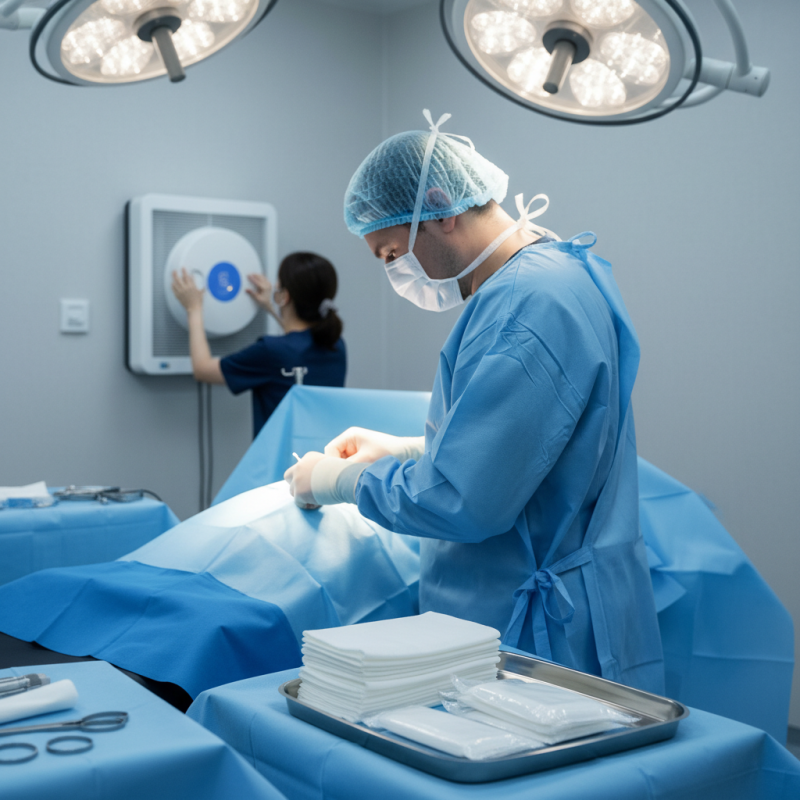
Non-woven materials have emerged as a game-changer in medical settings. These fabrics, created by bonding fibers, offer unique advantages over traditional woven materials. In hospitals, non-woven materials are widely used in surgical gowns, masks, and drapes. Their breathable nature ensures comfort while maintaining a high level of infection control. These items are disposable, which significantly reduces the risk of contamination.
In addition to personal protective equipment, non-woven materials play a vital role in wound care. They are found in dressings and bandages, promoting healing and protecting wounds from bacteria. These materials allow for better airflow and moisture control, creating optimal conditions for recovery. Their versatility makes them suitable for various medical applications.
Tip: Always evaluate the environment when selecting non-woven products. Factors like patient sensitivity and procedural requirements should guide choices.
While the benefits are clear, there are areas for reflection. The environmental impact of single-use materials raises questions. Innovations should focus on creating sustainable options without compromising safety. Medical professionals must stay informed about the evolution of these materials.
Tip: Regular training on material science can help staff understand the latest advancements. Knowledge can lead to better patient outcomes and resource management.
: They are used in surgical gowns, face masks, and wound dressings to provide a barrier against contamination.
Their disposable nature reduces contamination risks significantly in medical environments.
They are breathable yet impervious, providing comfort without compromising safety for patients and staff.
Many are made from synthetic fibers, raising questions about environmental impact and waste management.
Yes, but they still represent a small fraction of the market and need further development.
Proper training on the disposal methods for these materials is crucial for maintaining high hygiene standards.
Ensuring consistent quality and performance in manufacturing processes as demand grows is a key challenge.
They help reduce infections, addressing critical concerns in hospitals and healthcare settings.
Better disposal methods and recycling programs are needed to tackle sustainability issues effectively.
Collaboration among manufacturers, healthcare providers, and policymakers is vital for innovative solutions.
Non-woven materials are increasingly prevalent in medical settings due to their unique properties and advantages over traditional fabrics. These materials are widely used in applications such as surgical gowns, masks, and drapes, providing barrier protection while being lightweight and cost-effective. The impact of non-woven materials on infection control and prevention is significant, as they help reduce the risk of microbial contamination in healthcare environments, promoting safer practices for both patients and healthcare workers.
Looking towards the future, innovations in non-woven technology promise enhanced performance in medical applications, potentially leading to even greater advancements in hygiene and patient care. Additionally, the sustainability of non-woven materials is an important consideration, as the medical field increasingly prioritizes environmentally friendly practices. Understanding how non woven materials are used in medical settings not only highlights their current benefits but also underscores the potential for continued development in this vital area of healthcare.

 RosMed Medical