How Non Woven Materials Are Used in Medical Settings?

Time:2026-08-16 Author:Mason
0%

Non woven materials play a crucial role in medical settings. Understanding how non woven materials are used in medical settings reveals their importance in maintaining hygiene and safety. These materials are typically made from synthetic fibers. They offer significant advantages, such as being lightweight and breathable.

In hospitals, non woven fabrics are preferred for making gowns, masks, and sterile drapes. Their ability to act as barriers against contaminants is vital. However, the effectiveness can vary based on thickness and material composition. This variability prompts ongoing evaluation within the medical community to ensure optimal standards.

Additionally, the reuse of some non woven products raises questions about sustainability and safety. It's essential to weigh these considerations against cost and efficiency. While non woven materials are beneficial, their limitations deserve attention. Exploring how non woven materials are used in medical settings can lead to better practices that enhance patient care while addressing these concerns.
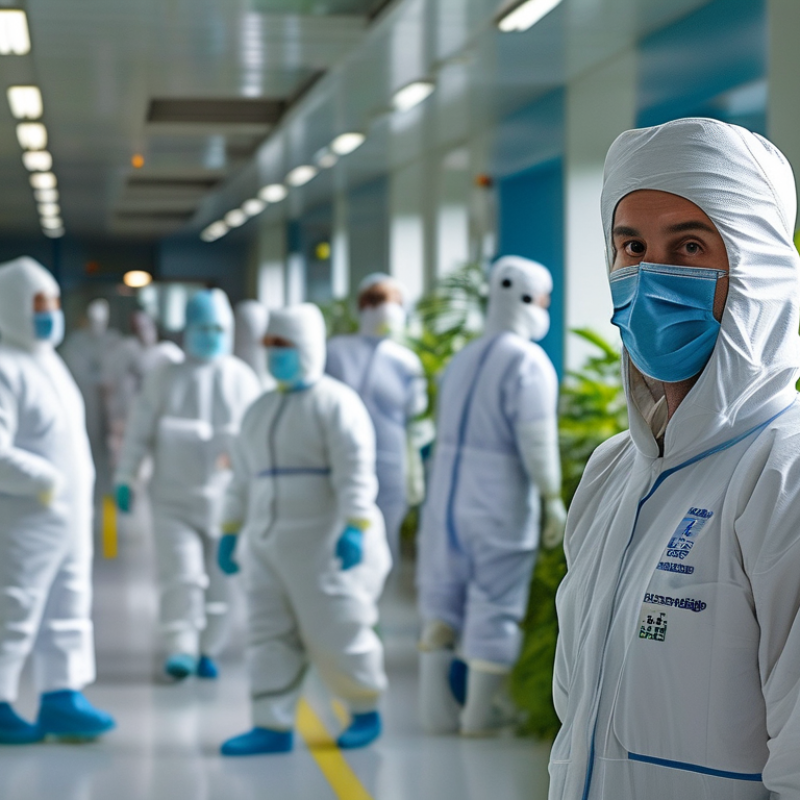
How Non Woven Materials Are Used in Medical Settings?

Overview of Non-Woven Materials in Medical Applications

Non-woven materials have transformed medical settings with their diverse applications. These fabrics do not require weaving, allowing for unique properties like breathability and fluid resistance. Commonly, they are used in surgical masks, gowns, and drapes. Their lightweight nature makes them comfortable for long-term wear during procedures.

One notable aspect of non-woven materials is their disposability. This feature supports infection control by minimizing the risk of contamination. However, the environmental impact of single-use items raises questions. Sustainable practices in manufacturing and disposal are still developing. Healthcare facilities face challenges balancing safety with ecological responsibility.

Additionally, while non-woven materials provide excellent barrier protection, their effectiveness can vary. Factors like the type of fibers and bonding techniques are crucial. Continuous research is essential to enhance these materials’ performance. Addressing these concerns will improve their reliability in critical medical applications.

Types of Non-Woven Materials Commonly Used in Healthcare

Non-woven materials play a critical role in healthcare settings. They are engineered from synthetic fibers, offering a range of benefits. Various types of non-woven materials are commonly employed in medical environments due to their unique properties.

One popular type is polypropylene. This material is lightweight yet strong. It is often used in surgical gowns and drapes. These items provide a barrier against contaminants. Their breathability ensures comfort for healthcare workers.

Another common material is polyester, known for its moisture-wicking abilities. It is frequently found in surgical masks and wound dressings. These products help maintain a sterile environment while allowing for comfort and ease of movement.

Despite their effectiveness, there are challenges. Non-woven materials can sometimes generate waste. Disposal methods need careful consideration. Eco-friendly alternatives are emerging, but their adoption varies. Overall, non-woven materials are indispensable in modern healthcare, yet room for improvement exists. The industry must strive for sustainable solutions while maintaining high standards of safety and effectiveness.

Benefits of Non-Woven Materials in Medical Settings

Non-woven materials are becoming increasingly important in medical settings. These materials offer unique advantages that traditional textiles cannot match. Their ability to be fluid-resistant makes them ideal for surgical gowns and drapes. These products help prevent contamination during procedures. Moreover, they are lightweight and comfortable, ensuring the comfort of both patients and healthcare professionals.

The benefits extend beyond simple usability. Non-woven fabrics are often designed to be disposable, reducing the risk of cross-contamination. This characteristic significantly enhances patient safety and infection control. Additionally, they can be engineered to include antimicrobial properties. These features make them suitable for various applications like wound dressings and masks.

However, it's crucial to consider environmental impact. The disposability of these materials raises questions about waste management. A careful approach is necessary to balance their benefits with sustainability concerns. Continuous innovation is needed to improve their ecological footprint. This ongoing challenge reminds us that while non-woven materials excel in many areas, they also require responsible use.

Applications of Non-Woven Materials in Surgical and Protective Gear

Non-woven materials play a critical role in medical settings, especially in surgical and protective gear. These materials are versatile and cost-effective. According to the Global Nonwoven Fabrics Market Report, the surgical sector accounts for over 30% of non-woven fabric usage, underlining its importance in healthcare.

Surgical gowns and drapes are common applications. These items provide a barrier against fluids and contaminants. They are often made from spunbond, SMS, or meltblown materials. A study by the American Journal of Infection Control found that surgical gowns made from non-woven fabrics reduced the risk of surgical site infections by 25%. This significant statistic emphasizes the effectiveness of non-woven materials in maintaining hygiene.

Protective gear, such as masks and gloves, also relies heavily on non-woven materials. Masks made from these fabrics have excellent filtration efficiency. A report from the World Health Organization highlighted that non-woven face masks are crucial during health crises, like the COVID-19 pandemic. However, there are challenges in sourcing sustainable non-woven materials. The environmental impact of disposables raises questions about the future of their usage in medical settings. These reflections encourage the industry to strive for innovation in sustainable practices.

Future Trends in Non-Woven Material Usage in Healthcare Industries

In recent years, non-woven materials have gained traction in the healthcare sector. According to a global market report, the non-woven fabrics market in healthcare is expected to reach USD 21.88 billion by 2026. This growth signifies how essential these materials are in medical applications, ranging from surgical gowns to face masks. The advantages of non-woven materials lie in their lightweight nature and breathability, making them ideal for single-use products that promote hygiene and reduce infection risks.

As healthcare continues to evolve, innovations within the non-woven space are anticipated. Researchers are exploring bio-based non-woven materials, which can enhance biodegradability while maintaining performance. This shift, reported by industry analysts, aims to align with sustainability goals. However, challenges exist. Composite materials might improve functionality but can complicate recycling efforts. The balance between performance and environmental impact remains a topic for future consideration.

The integration of smart textiles into non-woven materials is another key trend. Sensors can be embedded for monitoring patients' health parameters. However, the feasibility of such technology raises questions about cost and application. There is excitement but also a need for cautious evaluation of these advancements. Overall, as non-woven materials establish themselves further in healthcare, the engagement of stakeholders in addressing these issues will be critical.

FAQS

: What are non-woven materials?

: Non-woven materials are fabrics created without weaving, offering benefits like breathability and fluid resistance.

Where are non-woven materials commonly used?

They are used in surgical masks, gowns, and drapes, enhancing comfort during long procedures.

Why are non-woven materials favored in medical settings?

Their disposability helps minimize contamination risk, which is crucial for infection control.

Are there environmental concerns with disposable non-woven materials?

Yes, their single-use nature raises ecological questions, prompting a need for sustainable practices.

What affects the performance of non-woven materials?

Factors like fiber type and bonding methods are key to their barrier effectiveness in medical applications.

Can non-woven gowns reduce infection risks?

Indeed, studies show non-woven surgical gowns can lower surgical site infection risks by 25%.

How do non-woven materials contribute to protective gear?

They provide essential components in masks and gloves, known for their filtration efficiency.

Are there challenges in sourcing non-woven materials?

Yes, the industry struggles with sustainability and the environmental impact of disposables.

What is the future outlook for non-woven materials in healthcare?

Continuous research and innovation are needed to improve sustainability and performance in medical usage.

Do non-woven materials always guarantee safety?

Not always; their reliability varies based on manufacturing quality and ongoing research into their use.

Conclusion

Non-woven materials play a crucial role in medical settings, offering a range of applications and benefits that enhance healthcare delivery. These materials, which are typically made from synthetic fibers, are favored for their versatility and performance in various healthcare environments. Common types include spunbond, meltblown, and SMS (spunbond-meltblown-spunbond) fabrics, which provide essential properties like breathability, fluid resistance, and barrier protection.

In examining how non woven materials are used in medical settings, it becomes clear that they are integral to surgical and protective gear, including gowns, masks, and drapes. Their lightweight nature and disposability help maintain hygiene and reduce infection risk in clinical environments. Looking ahead, the trend towards innovative non-woven materials, driven by technological advancements and sustainability goals, indicates a bright future for their applications within the healthcare industry, promising enhanced safety and effectiveness in patient care.

Mason

Mason

Mason is a seasoned marketing professional with a deep expertise in the company's offerings and a passion for driving brand awareness. With a strong background in digital marketing strategies, he has an innate ability to connect with diverse audiences and effectively communicate product benefits.......