In 2026, maintaining hygiene in medical procedures remains a critical focus for healthcare professionals. With the rise of advanced technologies, new protocols are necessary to safeguard patient health. Understanding how to maintain hygiene in medical procedures is crucial not only for infection control but also for building patient trust.
Healthcare settings must adapt to evolving standards and practices. The need for cleanliness and sanitation is more urgent than ever. Despite advancements, human error persists. Medical staff must stay vigilant and embrace ongoing training. This not only enhances their skills but also reinforces the importance of hygiene in patient care. Attention to detail can prevent infections and complications, impacting patient outcomes significantly.
Moreover, innovative equipment and practices can provide challenges and opportunities. Adopting new tools may improve hygiene standards, but they also require a cultural shift within medical teams. Each healthcare worker needs to reflect on their role in these procedures. The balance between technology and human oversight can lead to better hygiene practices, ultimately benefiting all involved.
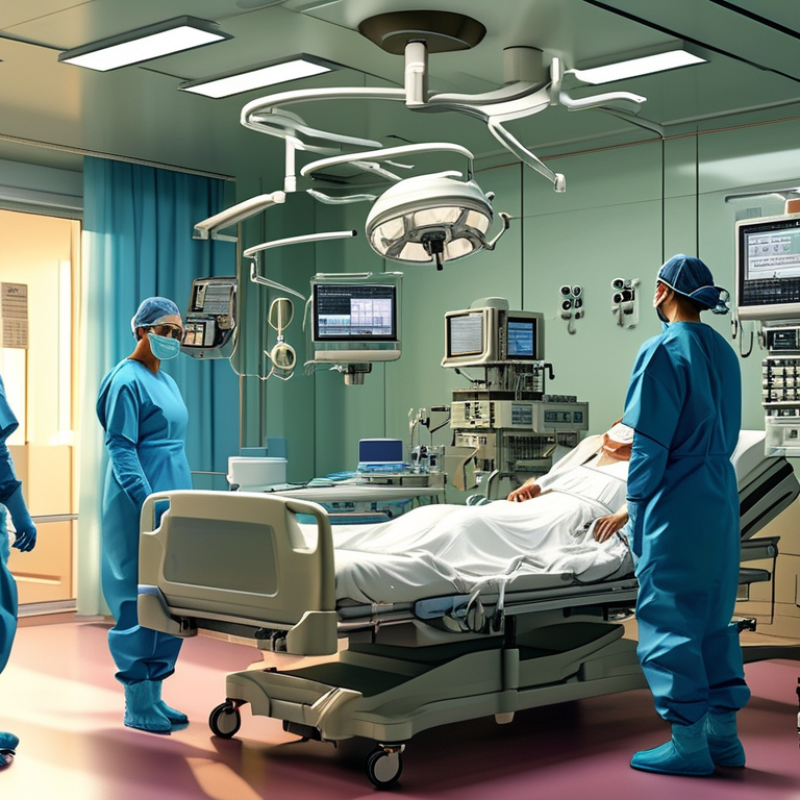
Maintaining proper hand hygiene in medical settings is crucial. According to the
World Health Organization, healthcare-associated infections affect over
1.4 million people globally daily. Simple handwashing can reduce these infections
significantly. Effective hand hygiene practices can lower infection rates by more than
50%.
Hand hygiene involves more than just washing hands with soap. It requires using alcohol-based hand rubs
when soap is not available. Studies indicate that adherence to hand hygiene protocols is alarmingly low,
with only about 40% compliance among healthcare workers. This gap highlights
the need for ongoing training and reminders. Visual cues in hospitals can encourage better practices.
Another critical factor is the availability of resources. Facilities must ensure that hand hygiene products are
easily accessible. However, surveys show that many health settings lack adequate supplies. This deficiency can
hinder compliance. Reflection on these shortcomings is essential for improving infection control. Investing
in staff education and resources is vital for creating a culture of safety
in healthcare environments.
In healthcare, personal protective equipment (PPE) is critical. Frontline workers face risks daily. Masks, gowns, gloves, and face shields form a barrier against infections. Each item serves a distinct purpose. Masks filter pathogens, while gowns protect skin and clothing. Hand hygiene remains equally vital, even with PPE.
The challenge lies in the correct use of PPE. Many overlook proper donning and doffing techniques. This oversight can lead to contamination. Regular training is essential. Staff need reminders about wearing PPE until the procedure is complete. Trust in equipment is important but can be misplaced if not used properly.
In some cases, PPE supplies may run low. Prioritizing resources is necessary. Facilities must assess which PPE is essential for specific procedures. Reflection on current practices can lead to improvements. Workers might share experiences about PPE failure, fostering a culture of safety. Open dialogue ensures everyone feels comfortable addressing issues and enhancing hygiene in medical settings.
| PPE Type | Purpose | Usage Guidelines | Compliance Rate (%) |
|---|---|---|---|
| Masks | Protects respiratory tract from infectious agents | Wear at all times in clinical settings, dispose appropriately | 95 |
| Gloves | Prevents contamination during procedures | Change gloves between patients and tasks | 90 |
| Face Shields | Offers protection for the entire face | Use in conjunction with masks during high-risk procedures | 85 |
| Gowns | Protects skin and clothing from contamination | Wear during procedures with risk of splashes | 92 |
| Footwear Covers | Prevents contamination of floors and surfaces | Use in operating rooms and sterile environments | 88 |
In 2026, maintaining hygiene in medical procedures remains a pressing issue. Effective sterilization techniques are crucial for healthcare providers. Research shows that about 80% of healthcare-associated infections are preventable with proper sterilization methods. Efficient sterilization processes are essential to protect patients and healthcare workers alike.
The use of autoclaves is a standard practice for sterilizing medical instruments. Autoclaves use steam under pressure to eliminate bacteria and spores. A report from the Centers for Disease Control and Prevention indicates that instruments are not always properly sterilized in all facilities, leading to increased risk of infection. Over 30% of instruments were found to have residual biological material after cleaning, which highlights the need for rigorous quality controls.
Additionally, chemical sterilization agents are also vital in this process. These agents can effectively destroy microbes on heat-sensitive equipment. However, improper usage or inadequate contact time can undermine their efficacy. Hospitals must implement strict protocols and regular training to enhance staff awareness. Only through vigilant adherence to these practices can hygiene in medical procedures improve. Each step taken matters significantly; even small oversights can have profound consequences on patient safety.
In 2026, maintaining clean environments in healthcare facilities is more critical than ever. A recent report from the World Health Organization (WHO) indicates that healthcare-associated infections (HAIs) affect 1 in 10 patients across developed countries. This alarming statistic underscores the need for stringent hygiene protocols in clinics and hospitals.
The foundation of a sterile environment lies in robust cleaning protocols. Regular disinfection of all surfaces should be a priority. Research shows that high-touch areas, such as doorknobs and bedrails, harbor pathogens that can survive for hours. Using hospital-grade disinfectants is essential. Facilities must also ensure availability of hand hygiene stations. The Centers for Disease Control and Prevention (CDC) emphasizes that proper handwashing can reduce infection rates by up to 50%.
Despite advancements, challenges remain. Many healthcare workers still overlook personal protective equipment (PPE) guidelines. Training and reminders are crucial for fostering a culture of safety. Not all facilities have the resources for constant monitoring, leading to lapses in hygiene practices. Regular audits can identify these gaps. Addressing these imperfections is vital for improving patient outcomes and maintaining trust in healthcare systems.
In 2026, hygiene in medical procedures takes on new dimensions. Technology is pivotal in enhancing hygiene practices, with innovative tools leading the charge. A report from the World Health Organization indicates that improved hygiene can reduce infection rates by up to 30%. Incorporating advanced cleaning technologies, such as antimicrobial surfaces and UV light sterilization, can be crucial in hospitals.
Using sensors to monitor cleanliness is another emerging trend. These devices can provide real-time data on hygiene levels, making it easier to identify and address potential risks. Enhanced training via virtual simulations can better prepare medical staff for hygiene compliance. However, institutions must not overlook the importance of traditional methods, like hand hygiene. A staggering 80% of infections are spread through touch.
Tip: Regularly audit hygiene practices. Adjust protocols based on infection data to ensure the highest standards.
Despite these advancements, challenges remain. Staff may resist new technologies, questioning their effectiveness. Continuous education is vital to combat reluctance. It's essential to address these concerns and involve staff in the process.
Tip: Encourage feedback from healthcare workers on hygiene technology. Their insights can improve implementation strategies and foster collective ownership.
: Proper sterilization techniques can prevent about 80% of healthcare-associated infections. They protect both patients and healthcare workers.
Autoclaves use steam under pressure to eliminate bacteria and spores. They are a standard practice for sterilizing medical instruments.
Many facilities do not sterilize instruments properly. Over 30% were found with residual biological material after cleaning.
Chemical agents destroy microbes on heat-sensitive equipment. However, improper use can compromise their effectiveness.
Innovative tools like antimicrobial surfaces and UV sterilization can reduce infection rates. Technology is pivotal in enhancing hygiene.
Sensors provide real-time data on hygiene levels. They help identify potential risks more easily.
Regular audits of hygiene practices are essential. Adjust protocols based on infection data to ensure high standards.
Some staff may resist adopting new technologies, doubting their effectiveness. Continuous education can address these concerns.
Involving healthcare workers in the process fosters ownership. Their insights can improve strategies for implementing hygiene technologies.
Hand hygiene remains crucial; 80% of infections are spread through touch. Regular reminders about basic practices are necessary.
In addressing how to maintain hygiene in medical procedures, it is essential to implement several best practices that ensure the safety of both patients and healthcare workers. Hand hygiene remains a cornerstone of infection control, emphasizing regular and thorough handwashing or sanitization. The appropriate use of Personal Protective Equipment (PPE) is critical in creating barriers against pathogens, thereby safeguarding healthcare providers during interactions with patients.
Additionally, the sterilization of medical instruments and equipment must follow established protocols to eliminate contaminants effectively. Maintaining clean environments within healthcare facilities involves routine cleaning and disinfection practices that minimize the risk of infections. Furthermore, incorporating technology into hygiene practices, such as automated cleaning systems and real-time monitoring of cleanliness, can enhance compliance and effectiveness. Together, these strategies provide a comprehensive approach to ensuring hygiene in medical settings.

RosMed Medical