How Do China Best Anesthesia Systems Support Surgery?

Time:2026-09-25 Author:Oliver
0%

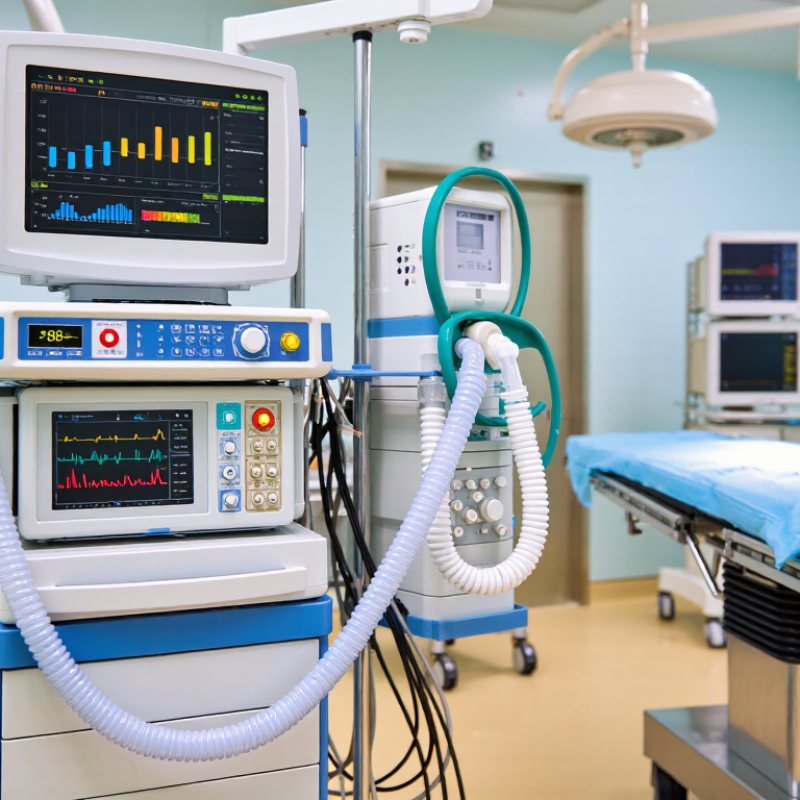
Anesthesia systems help clinicians maintain a controlled level of anesthesia while supporting breathing and monitoring vital signs during surgery. Their work is practical and continuous. A ventilator delivers the set breath. A monitor displays oxygen levels, pressure, and other readings. Alarms can draw attention to changing conditions, but they do not replace clinical judgment. Understanding how anesthesia systems support surgical procedures starts with these connected functions.

China’s anesthesia equipment market includes systems with different configurations, interfaces, and service options. The “best” choice depends on the hospital, procedure mix, staff training, and available maintenance support. Buyers and clinical teams should examine ventilation modes, monitoring capabilities, alarm settings, usability, and compatibility with existing equipment. They should also verify product documentation, quality controls, and local service arrangements with reliable sources. A clear screen is not proof of dependable performance. Nor does a long feature list guarantee a better fit. Small details matter: Can staff read the display under operating-room lighting? Are replacement parts and technical support accessible? These questions deserve careful review.

No system is perfect. Even well-designed equipment requires trained operators, routine checks, and appropriate maintenance. This article explores how anesthesia systems from China can contribute to safer, more organized surgical workflows, while distinguishing useful features from marketing claims. It also considers the limits of equipment alone. Technology supports the care team; it cannot make clinical decisions for them.
How Do China Best Anesthesia Systems Support Surgery?

China’s Anesthesia Landscape: Responding to 234 Million Global Surgeries

Global surgery estimates often cite about 234 million operations each year, though totals vary with definitions and data collection. That scale puts steady pressure on anesthesia teams: every operating room needs reliable breathing support, patient monitoring, and medicines delivered at carefully controlled rates. In China, anesthesia systems help connect these tasks in busy hospitals, where clear displays and accessible controls can support quick checks before and during procedures. Small details matter. A readable oxygen reading or a well-maintained alarm can help clinicians notice changes sooner, but equipment does not replace trained judgment.

Meeting demand also means planning beyond the operating table. Hospitals need routine servicing, suitable supplies, staff training, and systems that fit local workflows. These needs can differ between large urban centers and smaller facilities. A capable workstation may support consistent care, yet performance depends on setup, maintenance, and how teams use it. That is not always easy to measure. The global surgery figure signals scale, not a guarantee that every patient has equal access to safe anesthesia.

Tips: Check monitors and breathing circuits before each case. Confirm alarm limits, review the patient’s plan, and report equipment faults promptly. Keep training practical and repeated.

Preoperative Assessment: Stratifying Risk Before Induction and Airway Control

Before induction, a dependable anesthesia system turns scattered clues into a shared airway plan. In Chinese operating rooms, teams can document prior difficult intubation, mouth opening, neck movement, dentition, sleep apnea, and aspiration risk. Small details matter: a loose upper tooth or limited neck extension may change the first approach. Check oxygen reserve and available rescue equipment, too. A score helps, but it cannot replace judgment.

The American Society of Anesthesiologists’ 2022 difficult-airway guidelines recommend assessing patient, procedural, and contextual factors before choosing an airway strategy. The UK’s Fourth National Audit Project, NAP4, reviewed 133 reported major airway complications in anesthesia. Its cases underline why teams need an agreed backup plan before induction, not after ventilation becomes difficult. Name who calls for help. Confirm that the appropriate equipment is present.

Risk categories should lead to practical choices: awake airway management when indicated, additional expertise, or a different induction plan. Yet labels can create false confidence. A patient may look low-risk and still prove difficult. Reassessment matters when the clinical picture changes. I would not treat any checklist as complete; local workflow and human factors can still leave gaps.

How Do Anesthesia Systems Support Surgery?

Preoperative Assessment: Stratifying Risk Before Induction and Airway Control

The STOP-Bang questionnaire has eight yes/no items and can help identify patients who may be at risk for obstructive sleep apnea before anesthesia. These commonly used score bands support screening—not diagnosis—and should be interpreted alongside the patient’s history, examination, and airway assessment.

Intraoperative Monitoring: Applying ASA Standards for Oxygenation and Ventilation

During surgery, oxygenation and ventilation need continuous attention, not occasional checks. ASA basic monitoring standards call for inspired oxygen monitoring and pulse oximetry, with audible alarms. They also require continual evaluation of ventilation. During general anesthesia with an endotracheal tube or laryngeal mask, exhaled carbon dioxide is monitored continuously, subject to clinical exceptions.

A well-designed anesthesia system makes these checks visible and practical. The oxygen analyzer can alert the team if inspired oxygen falls below its set limit. Pulse oximetry shows oxygen saturation, while capnography displays exhaled carbon dioxide and its waveform. Numbers can mislead. A loose sensor, poor circulation, or a displaced breathing circuit may affect readings. Cross-checking the screen with chest movement, breath sounds, and circuit connections helps identify problems early.

Small details matter. Before induction, clinicians can confirm alarm limits, sampling lines, and monitor signals. During the procedure, changing trends may matter more than one reassuring value. A rising carbon dioxide reading, for example, can prompt a check of ventilation and equipment. Even a tidy monitor screen can invite overconfidence; that is worth resisting. Technology supports clinical judgment, but it does not replace it. The checklists can feel repetitive, yet missed setup steps are harder to correct once surgery is underway.

How Do China Best Anesthesia Systems Support Surgery? – Intraoperative Monitoring: Applying ASA Standards for Oxygenation and Ventilation

Monitoring Dimension Intraoperative Practice ASA-Related Standard or Guidance Clinical Use
Oxygenation: pulse oximetry Use pulse oximetry continuously during anesthesia. Ensure the pulse tone and low-oxygen alarm are audible to the anesthesia team. ASA Basic Anesthetic Monitoring Standards call for continual evaluation of oxygenation and continuous monitoring of arterial hemoglobin oxygen saturation with a pulse oximeter. Provides ongoing information about oxygen saturation and can alert the team to desaturation. Interpret readings alongside the patient’s condition and signal quality.
Oxygenation: inspired oxygen During general anesthesia delivered with an anesthesia machine, use an oxygen analyzer with a low-concentration alarm to measure oxygen in the breathing system. ASA standards specify quantitative monitoring of inspired oxygen concentration and an alarm for low oxygen concentration in the breathing system, subject to stated exceptions. Helps identify an unintended change in delivered oxygen concentration. Set alarm limits in accordance with the applicable standard, equipment instructions, and clinical plan.
Ventilation: clinical assessment Continually evaluate the adequacy of ventilation, including observation of the patient and breathing-system indicators when applicable. ASA standards require continual evaluation of ventilation during anesthesia. Provides clinical context for monitor readings, including changes in chest movement, breathing pattern, or circuit function.
Ventilation: expired carbon dioxide Use quantitative monitoring of expired carbon dioxide during general anesthesia, from placement of an endotracheal tube or supraglottic airway until removal or initiation of transfer, unless monitoring is invalidated by the patient, procedure, or equipment. ASA standards call for quantitative monitoring of expired carbon dioxide in these circumstances. For moderate or deep sedation, ventilation is assessed by clinical observation and monitoring for exhaled carbon dioxide unless precluded or invalidated. Capnography can help assess ventilation and confirm ongoing carbon dioxide detection after airway placement; interpret the waveform and values in clinical context.
Alarm and response readiness Keep relevant oxygenation and ventilation alarms enabled, audible, and appropriately set. Investigate unexpected readings or waveform changes and assess the patient and equipment. ASA monitoring standards specify alarms for relevant monitored variables, including pulse oximetry and low inspired oxygen concentration where applicable. Alarm limits should be individualized and managed under local policy; ASA standards do not establish one universal SpO₂ or end-tidal CO₂ alarm threshold for every patient.
Documentation and review Document monitoring observations and clinically significant events in the anesthetic record according to facility policy. Apply current professional standards, institutional protocols, and clinical judgment; monitoring requirements may depend on the patient, procedure, and anesthetic technique. Supports continuity of care and review of the patient’s intraoperative course.

Reference: American Society of Anesthesiologists (ASA), Standards for Basic Anesthetic Monitoring. This summary is for general educational use and does not replace current standards, equipment instructions, institutional policy, or clinical judgment.

Safety Checklists: WHO Data Show a 36% Reduction in Surgical Complications

In operating rooms across China, anesthesia systems can support safer care, but equipment alone cannot prevent complications. A WHO-backed study of the Surgical Safety Checklist reported a 36% reduction in major complications after implementation. The checklist prompts teams to confirm patient identity, surgical site, allergies, airway risks, and equipment readiness. Small checks matter. A missed allergy or an empty oxygen cylinder can change the course of surgery.

For anesthesia teams, the checklist works best when it fits the real workflow. Before induction, staff can confirm monitors, breathing circuits, suction, and emergency medicines. During the procedure, clear handovers help keep blood pressure, oxygen levels, and fluid changes visible to the whole team. These steps are practical, not glamorous. They also need rehearsal, honest reporting, and enough time to speak up. The 36% figure is not a promise for every hospital; results depend on training, local resources, and consistent use. Checklists can become routine paperwork if teams rush through them. That remains a weakness worth addressing.

Postoperative Recovery: Measuring PACU Events and 30-Day Surgical Outcomes

Postoperative recovery reveals whether an anesthesia system truly supports safe surgery. In the PACU, teams should record airway obstruction, oxygen desaturation, severe pain, nausea, hypotension, and delayed discharge. These events are not minor details. A brief desaturation may signal residual anesthetic effects, airway weakness, or inadequate monitoring. The American College of Surgeons National Surgical Quality Improvement Program tracks complications and mortality for 30 days after surgery, not only until discharge.

That wider window matters.

A reliable system links intraoperative records with PACU observations and follow-up calls. It should show temperature, blood pressure, oxygen saturation, pain scores, rescue medication, and unplanned intensive-care admission. A large Lancet study across 46 countries found that postoperative deaths represented most surgical deaths, with many occurring after the operation.

The message is uncomfortable. A smooth PACU stay does not guarantee a safe month.

Local teams can compare their outcomes with NSQIP definitions, national quality registries, and hospital readmission reports. However, data quality often remains imperfect. Missing phone follow-ups can hide wound problems or delayed respiratory events. Better systems make omissions visible, rather than quietly producing attractive dashboards. Careful review of every unexpected PACU transfer can improve both anesthesia practice and 30-day surgical outcomes.

FAQS

Why is anesthesia capacity important in modern surgery?

About 234 million operations occur globally each year, though estimates vary. Every operating room needs breathing support, monitoring, and controlled medicine delivery. The figure shows pressure, not equal access.

What should teams check before anesthesia begins?

Check the oxygen supply, breathing circuit, monitors, alarm limits, and sampling lines. Confirm the patient’s plan. A loose connection can matter more than expected.

How should oxygenation be monitored during surgery?

Use inspired oxygen monitoring and pulse oximetry with audible alarms. Watch oxygen saturation continuously. A dark or poorly attached sensor can produce misleading readings.

How is ventilation assessed during general anesthesia?

Continuous carbon dioxide monitoring shows exhaled gas and its waveform. Teams should also observe chest movement and breath sounds. Numbers alone are not enough.

What could a rising carbon dioxide reading indicate?

It may suggest inadequate ventilation, circuit problems, or changing patient conditions. Check tubing, connections, airway position, and breathing movement. Trends often matter more than one value.

Which events should be recorded during recovery?

Record airway obstruction, oxygen desaturation, severe pain, nausea, low blood pressure, and delayed discharge. Note rescue medication and unexpected intensive-care admission. Small events can carry meaning.

Does a smooth recovery-room stay prove safe surgery?

No. Some complications appear days later, including respiratory problems or wound concerns. Follow-up for 30 days gives a broader view, but missing calls weaken the record.

How can hospitals improve anesthesia quality over time?

Link operating-room records with recovery observations and follow-up information. Review every unexpected transfer and equipment fault. Dashboards look tidy, but incomplete data can hide problems. Repeated training helps, though it can feel repetitive.

Conclusion

China’s evolving anesthesia landscape highlights how anesthesia systems support surgical procedures amid the growing demand created by approximately 234 million surgeries worldwide. Effective care begins before induction, with structured preoperative assessments that evaluate medical history, airway conditions, organ function, and individual risk. This information helps clinicians select appropriate anesthetic plans, anticipate complications, and prepare for airway control while promoting safer, more personalized treatment.

During surgery, integrated monitoring focuses on oxygenation, ventilation, circulation, and anesthetic depth in line with recognized ASA standards. Clear safety checklists and team communication further reduce preventable errors; WHO data indicate that checklist-based approaches can lower surgical complications by 36%. After the procedure, recovery quality is assessed in the post-anesthesia care unit (PACU), where clinicians monitor breathing, consciousness, pain, nausea, and hemodynamic stability. Reviewing PACU events together with 30-day surgical outcomes supports continuous improvement and helps healthcare teams strengthen anesthesia safety throughout the entire perioperative journey.

Oliver

Oliver

Oliver is a seasoned marketing professional with a wealth of expertise in driving brand awareness and engagement. With a deep understanding of our company's product offerings, he consistently delivers high-quality content that enriches our professional blog. His insights not only shed light on......