In the evolving landscape of modern surgery, the role of anesthesia systems is paramount. Experts emphasize their significance in enhancing surgical procedures. Dr. Emily Carter, a renowned anesthesiologist, states, “Anesthesia systems are the backbone of safe, effective surgeries.” This insight highlights how anesthesia systems support surgical procedures, ensuring patient comfort and safety.
Effective anesthesia management is critical for surgical success. It allows surgeons to proceed without interruption while minimizing patient pain and anxiety. Advanced monitoring features in these systems provide real-time feedback to medical teams. This technology aids in making informed decisions during surgery.
However, challenges remain. Not all anesthesia systems are created equal. Some may lack sufficient integration with surgical environments, leading to potential issues. Ongoing training and evaluation are necessary to enhance their reliability. In reflecting on current practices, it is essential to strive for continuous improvement in how anesthesia systems support surgical procedures.
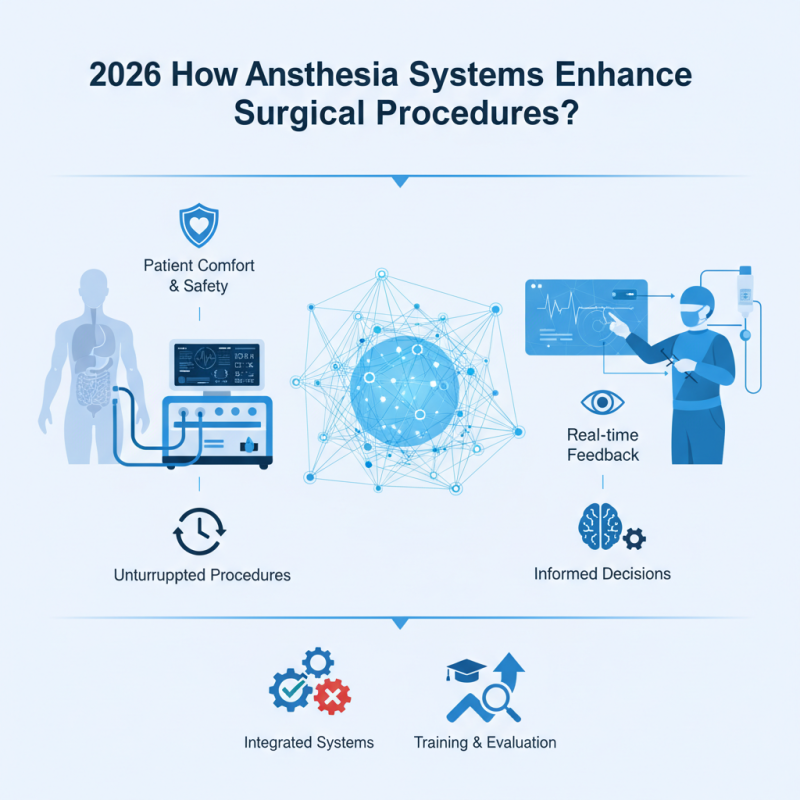
Anesthesia systems play a crucial role in modern surgical procedures. These systems manage the patient’s comfort and safety during operations. Anesthesia allows surgeons to perform complex tasks by rendering patients unconscious or sedated. This ensures that patients do not feel pain or anxiety.
Modern anesthesia machines monitor vital signs in real time. They deliver precise doses of anesthetic agents. These advancements help to minimize risks associated with surgery. For instance, advanced monitoring can track heart rate and blood pressure continuously. However, challenges remain in tailoring anesthesia to each patient’s needs. Adjusting dosages based on individual responses requires skill and experience.
Surgeons and anesthetists collaborate closely to improve outcomes. Nevertheless, potential complications can arise, even with advanced technologies. Understanding these risks is essential for healthcare professionals. Continuous education around the latest anesthesia practices is necessary. This ensures that all surgical team members remain competent in their roles.
Anesthesia systems are crucial in modern surgical procedures. The complexity and variety of these systems significantly enhance patient safety and comfort. There are several main types of anesthesia systems utilized today, each serving unique needs in the operating room.
General anesthesia systems provide unconsciousness during major surgeries. According to data from the American Society of Anesthesiologists, around 60% of all surgical procedures in the U.S. involve general anesthesia. These systems often include advanced monitoring tools to track vital signs closely. Despite their effectiveness, challenges arise, such as managing potential respiratory complications.
Regional anesthesia systems, like spinal and epidural anesthesia, have gained popularity. They target specific body areas and reduce systemic drug exposure. Research shows that these systems can lower recovery time by approximately 30%. However, there are risks, including nerve damage and incomplete anesthesia. Continuous improvement remains essential to minimize such risks. Ultimately, anesthesia systems play a pivotal role in enhancing the surgical experience while continuously evolving to address their limitations.
Anesthesia plays a crucial role in enhancing patient safety during surgical procedures. According to the American Society of Anesthesiologists, over 40 million surgeries occur annually in the U.S. alone. With advancements in anesthesia systems, the monitoring and management of patient safety have improved significantly. These systems provide real-time data, enabling anesthesiologists to adjust dosages based on physiological responses, ensuring optimal sedation levels.
A study from the National Institute of Health highlighted that anesthesia-related complications have decreased by over 30% in the past decade. This progress is attributed to better technology and protocols. Precise monitoring systems alert medical teams to any changes in heart rate, blood pressure, or oxygen levels. Such immediate feedback allows for swift interventions, which are crucial during critical moments of surgery.
However, challenges still exist. Some patients experience adverse reactions to anesthesia. Data indicates that approximately 1 in 1,000 patients may face complications. Continuous advancements are necessary to mitigate these risks. Ongoing research aims to refine anesthetic agents and techniques to further enhance safety profiles. The evolution of anesthesia systems demonstrates a commitment to improving patient outcomes while acknowledging the complexities inherent in surgical care.
Advancements in anesthesia technology are transforming surgical procedures. Modern systems enhance safety and effectiveness. According to a report by the American Society of Anesthesiologists, improved monitoring systems can reduce complications by up to 30%. This reduction is crucial, as complications often prolong recovery and increase healthcare costs.
New methods like targeted drug delivery optimize pain management and sedation. These techniques ensure that patients receive the precise dosage they need. A study in Anesthesia & Analgesia indicates that personalized anesthetic plans can lead to faster recovery times. In some cases, patients can leave the hospital a day earlier than previously expected. This efficiency is essential as hospitals strive to manage patient throughput.
While advancements are promising, challenges remain. Not all surgical teams adapt quickly to new technologies. Training is vital, yet often overlooked. A gap in education can undermine the benefits of advanced systems. Continuous improvement and regular evaluation of anesthesia practices are necessary to maintain high standards of care. The healthcare industry must invest in both technology and human capital to realize the full potential of these innovations.
This bar chart illustrates the significant benefits of advanced anesthesia systems in surgical procedures. The data represents the percentage of enhancement in various aspects such as monitoring, recovery time, complication rates, drug delivery, and patient satisfaction. The figures highlight how modern anesthesia technology contributes to overall surgical efficiency and patient outcomes.
Anesthesia systems are evolving rapidly, shaping the future of surgical practices. As techniques improve, patient safety and comfort become top priorities. This evolution reflects the shift towards more personalized healthcare. Improved monitoring systems allow for real-time adjustments during procedures. These enhancements help anesthesiologists manage dosages effectively, adapting to each patient's specific needs.
Tips for choosing anesthesia systems include focusing on integration capabilities. Advanced systems should interface seamlessly with existing surgical tools. Look for platforms that offer patient data analytics. Data-rich environments lead to better decision-making. Communication among the surgical team also benefits from these systems.
Emerging trends highlight automation and artificial intelligence. Automated systems can streamline workflows, reducing human error. However, reliance on technology raises concerns. It's crucial to maintain a balance between human expertise and machine assistance. Training for healthcare professionals remains essential in this rapidly changing landscape. Understanding the limits of technology is vital for patient safety.
| Feature | Current Technology | Future Trends |
|---|---|---|
| Patient Monitoring | Standard vital sign monitoring (ECG, SpO2) | Advanced AI algorithms for predictive analytics |
| Drug Delivery | Traditional infusion pumps | Smart pumps with real-time adjustments based on patient data |
| Workflow Integration | Manual data entry in electronic health records | Seamless integration and automated updates across systems |
| Safety Features | Standard alarms for critical events | Personalized alarm systems tailored to individual patient risk profiles |
| Cloud Connectivity | Limited remote access for data retrieval | Full cloud integration for remote monitoring and historical data access |
: Anesthesia systems ensure patient comfort and safety during surgical procedures. They make patients unconscious or sedated.
These machines monitor vital signs in real time and deliver precise doses. This minimizes surgical risks significantly.
Yes, some patients may experience adverse reactions. Around 1 in 1,000 may face complications during surgery.
Advancements have led to improved monitoring systems and techniques, reducing complications by over 30% in the last decade.
They collaborate closely to enhance surgical outcomes. Their teamwork is crucial in managing anesthesia effectively.
This method optimizes pain management by providing precise dosages for individual patient needs during surgery.
Ongoing training ensures healthcare professionals stay competent. It helps address the challenges of new anesthesia technologies.
Not all surgical teams adapt quickly to advancements, possibly leading to gaps in education and care quality.
They can result in faster recovery times. Some patients may even leave the hospital a day earlier than usual.
Investment in technology and human resources is essential. Regular evaluation and training help maintain high standards.
Anesthesia systems play a crucial role in modern surgical practices by ensuring patient comfort and safety throughout procedures. They come in various types, each suited for different surgical needs, from general to regional anesthesia. These systems enhance patient safety by monitoring vital signs and delivering precise dosages of anesthetic agents, thereby minimizing risks during surgery.
Moreover, advancements in anesthesia technology have significantly improved surgical efficiency. Innovations such as electronic monitoring and automated dosage systems allow for more precise control over anesthesia, leading to shorter recovery times and better overall outcomes. Looking ahead, future trends indicate continued integration of advanced technologies in anesthesia systems, further supporting surgical procedures and enhancing the quality of patient care. Understanding how anesthesia systems support surgical procedures is essential for both surgical teams and patients.

RosMed Medical