The healthcare landscape in China is rapidly evolving, with disposable healthcare products emerging as crucial components. As demand for hygiene and convenience grows, industry experts are examining what is the future of disposable healthcare products. These products include masks, gloves, and syringes. Their role in infection control and patient safety cannot be overstated. Innovations in materials and sustainability are also gaining attention.
However, it's important to consider potential drawbacks. Environmental concerns are rising due to plastic waste. Industry players must grapple with finding solutions that balance convenience and ecological responsibility. There is a need for policies that promote recycling and waste management. In the quest for progress, we must ensure that these products do not harm our planet.
Ultimately, the future of disposable healthcare products in China holds promise but requires reflection. Stakeholders must navigate the challenges of sustainability. This involves listening to public concerns while also addressing healthcare needs. Only then can we truly determine what is the future of disposable healthcare products in this vast market.
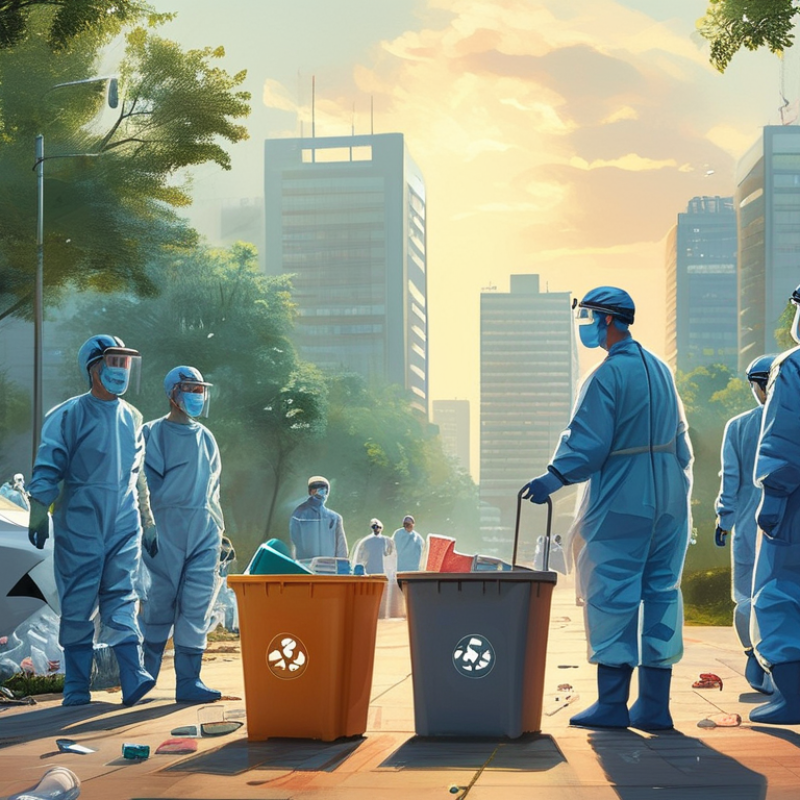
Disposable healthcare products have become integral to China’s public health system. The rise in demand for items like single-use syringes and personal protective equipment has accelerated due to increased healthcare needs. Reports indicate the disposable healthcare product market in China could reach $20 billion by 2025. This growth reflects the nation’s commitment to improving healthcare accessibility.
However, this surge brings significant challenges. The proper disposal of these products remains a pressing issue. Many regions lack adequate waste management systems to handle the influx of medical waste. In 2022, it was estimated that hospitals generated over 1.6 million tons of medical waste. Mismanagement of disposal can lead to environmental hazards and health risks for local communities.
China's healthcare system also faces inequities. While urban areas benefit from better access to disposable items, rural regions often struggle. Limited resources can create disparities in health outcomes. A balance must be struck between the convenience of disposables and their broader implications. As the market evolves, policymakers must address these critical concerns to ensure the sustainability of public health initiatives.
The regulatory framework governing disposable healthcare products in China plays a crucial role in ensuring safety and efficacy. The National Medical Products Administration (NMPA) oversees the approval and supervision of these items. Recent reports indicate that the market for disposable healthcare products is expected to reach $8 billion by 2025, driven by a rising demand for hygiene and convenience.
Despite the rapid growth, challenges remain. For instance, stringent regulations require comprehensive testing and certification, which can delay product entry. Companies often struggle to keep up with evolving guidelines. In 2022, over 30% of new products failed to meet the regulatory standards. This highlights a pressing need for businesses to invest in compliance and quality assurance processes.
Furthermore, environmental concerns are increasingly influencing regulatory measures. The government is promoting initiatives to reduce waste and enhance sustainability. This shift might impact the types of disposable products allowed in the market. Balancing health needs with environmental impact presents a complex challenge for stakeholders in China’s healthcare landscape.
The disposable healthcare product market in China is evolving rapidly. Consumers are increasingly prioritizing hygiene and convenience. Factors such as the COVID-19 pandemic have heightened awareness of health safety. Products now range from single-use masks to gloves and surgical kits.
Many consumers prefer disposable items for their effectiveness in infection control. However, there are challenges regarding environmental impact and waste management. The perception of eco-friendliness is growing; people are curious about biodegradable options. Manufacturers are under pressure to innovate sustainably, balancing convenience with environmental responsibility.
Tips: Consider implementing a waste reduction plan. Recycling and composting initiatives could alleviate some of the environmental strains. Educate consumers about proper disposal methods to foster responsible habits. Encourage the use of products that are certified eco-friendly, as these can resonate better with consumers’ growing environmental concerns. It’s essential to reflect on how these products can align with a broader commitment to sustainability.
Disposable healthcare products are essential in China, but sustainability concerns loom large. The environmental impact of single-use items cannot be ignored. These products often end up in landfills, contributing to pollution. As healthcare demand rises, so does the urgency for sustainable solutions.
One major challenge is the reliance on plastic. Many disposable items are made from materials that take centuries to decompose. Hospitals and clinics face pressure to adopt eco-friendly alternatives, but the transition is difficult. Cost and availability of sustainable products remain significant hurdles.
Tips: Evaluate existing practices. Identify areas to reduce waste. Collaborate with suppliers focused on sustainable options. Educating staff about the importance of sustainability can foster a culture of responsibility.
The production processes also need reevaluation. Minimizing energy and water use in manufacturing is essential. However, finding a balance between efficiency and eco-friendliness is complex. It requires commitment and innovation in product design.
Tips: Invest in research. Explore biodegradable or reusable alternatives. Engage with environmental experts for strategic guidance. The path to sustainability is fraught with challenges, but every small step can lead to significant change.
| Year | Market Size (in Billion USD) | Growth Rate (%) | Main Challenges | Sustainability Initiatives |
|---|---|---|---|---|
| 2021 | 15 | 8 | Plastic waste management | Biodegradable materials |
| 2022 | 16.5 | 10 | Regulatory compliance | Recycling programs |
| 2023 | 18 | 9 | Supply chain challenges | Sustainable sourcing |
| 2024 | 20 | 11 | Consumer awareness | Education campaigns |
In recent years, innovations in disposable healthcare products have reshaped the landscape in China. The rise of eco-friendly materials is a notable advancement. These products are designed to minimize environmental impact while ensuring safety and effectiveness. Biodegradable options are gaining popularity among healthcare providers. This shift reflects a growing awareness of environmental sustainability.
Tips: Explore local suppliers who prioritize green materials. Stay updated on the latest regulations regarding disposable products. Understanding the local market's needs can guide your product development.
Technological advancements also play a crucial role. Smart features, such as sensors in medical gloves, enhance safety for healthcare workers. These gloves can alert users to potential hazards. Such innovations increase efficiency and can prevent accidents.
Tips: Conduct thorough testing of any new technology. Ensure that innovations meet safety standards. It is vital to gather feedback from end-users to refine these products further. Balancing innovation with practicality is essential.
This chart shows the projected market growth of various disposable healthcare products in China. Surgical masks and gloves are expected to dominate the market, driven by ongoing healthcare needs and innovation in product technology.
: The main challenges include improper disposal and inadequate waste management systems. This can lead to environmental hazards and health risks.
In 2022, hospitals generated over 1.6 million tons of medical waste. This poses significant disposal challenges.
Consumers prioritize hygiene and convenience, especially after the COVID-19 pandemic heightened awareness of health safety.
The environmental impact from waste management is a key concern. Many products are non-biodegradable, causing long-term waste issues.
Manufacturers can innovate sustainably by developing biodegradable options and implementing eco-friendly practices.
Yes, urban areas have better access to disposable products, while rural regions often struggle due to limited resources.
A waste reduction plan can help alleviate environmental strains and promote responsible disposal habits among consumers.
Educating consumers about proper disposal methods can foster responsible habits and reduce environmental impacts.
Growing concerns about hygiene and sustainability drive innovation and changes in product offerings to meet consumer needs.
Yes, a balance must be struck between convenience and the environmental implications of disposable products.
The future of disposable healthcare products in China appears promising yet complex, shaped by several critical factors. Firstly, the impact of these products on China's public health system is significant, enhancing accessibility and reducing infection rates. However, navigating the regulatory framework governing disposable healthcare items remains a challenge, requiring strict compliance to ensure safety and effectiveness. Furthermore, market trends show a growing consumer preference for convenient and hygienic solutions, driving demand.
Despite these advancements, sustainability challenges persist, as the environmental implications of disposable items have sparked debates about their long-term viability. Innovations and technological advancements play a vital role in addressing these issues, with a focus on creating eco-friendlier alternatives. Ultimately, understanding what is the future of disposable healthcare products in China hinges on balancing public health benefits with sustainability efforts and regulatory compliance.

RosMed Medical