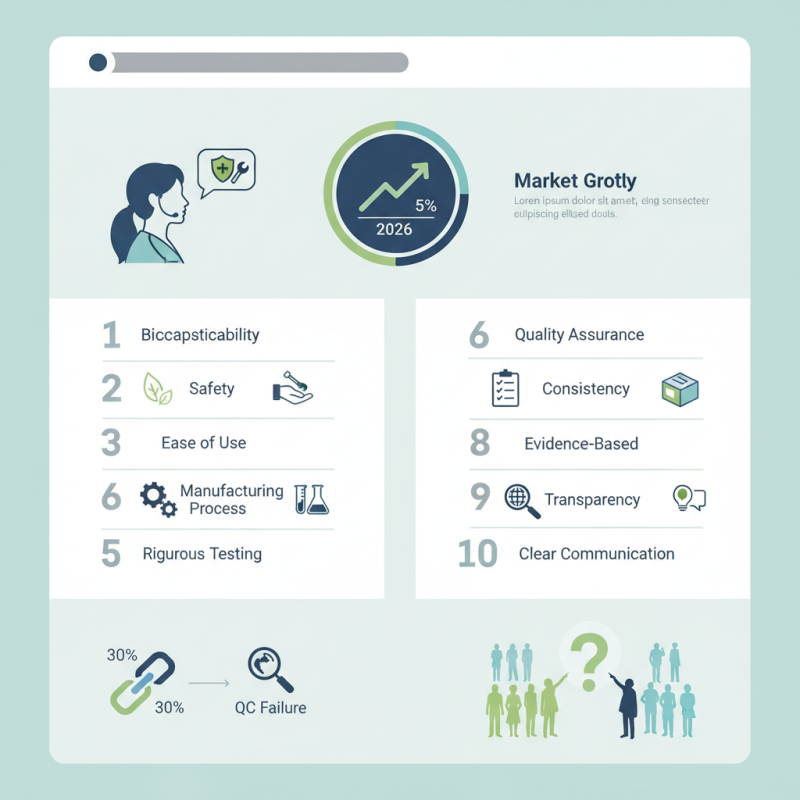
In the ever-evolving healthcare sector, understanding what makes a good medical consumable product is crucial. Industry analysts project a growth rate of over 5% in the global medical consumables market by 2026, highlighting the increasing importance of quality and reliability. Dr. Sarah Thompson, a leading expert in healthcare product evaluation, states, "Quality and usability are the cornerstones of effective medical consumables."
The features that define excellent medical consumables vary. Biocompatibility, safety, and ease of use are essential. Equally important are the manufacturing processes employed. Products must undergo rigorous testing to ensure they meet regulatory standards. Often, companies overlook rigorous quality assurance, which can lead to subpar products. Consistency in quality matters significantly. As stated in the 2022 Medical Products Report, 30% of recalls are due to quality control failures.
Moreover, today's consumers seek evidence-based products. Transparency in sourcing and manufacturing enhances trust. In a marketplace saturated with options, brands that emphasize their quality metrics stand out. Yet, many organizations still struggle with clear communication about their product standards. This inconsistency can create confusion among healthcare providers and patients alike, underscoring the need for a deeper understanding of what attributes define the best medical consumable products.
Quality of Materials Used in Medical Consumables
The quality of materials used in medical consumables is crucial for patient safety. High-quality materials ensure durability and reliability during use. They also minimize risks like allergic reactions or product failure. For healthcare providers, choosing the right consumables can significantly impact patient outcomes.
Tips: Always check for certifications. Materials should meet stringent industry standards. This helps ensure the product's safety and efficacy. Look for information on the material sourcing process. Transparency indicates a manufacturer's commitment to quality.
Additionally, the composition of materials plays a role in biocompatibility. Some materials are better suited for specific medical applications. Understanding the properties of different materials can aid in effective decision-making. This helps prevent issues that might arise from improper material use.
Tips: Engage with suppliers to discuss material properties. A knowledgeable supplier can provide insights. Always consider past performance data to evaluate effectiveness. It is important to reflect on the entire supply chain for any hidden vulnerabilities.
Regulatory Compliance and Certifications for Safety Standards
Regulatory compliance is vital for medical consumable products. These items must meet strict safety standards to ensure patient safety. Each country has its own regulations, which can complicate the compliance process. Understanding these regulations requires expertise and a thorough review of applicable guidelines. Not every manufacturer knows how to navigate this complex landscape.
Certifications play a crucial role in establishing credibility. Products must often pass tests conducted by accredited organizations. These tests evaluate safety, quality, and performance. Achieving these certifications can be challenging. It involves repeated inspections and documentation of materials and processes. When products lack proper certification, they could pose risks to patients and healthcare professionals.
Maintaining ongoing compliance is also essential. Regulations evolve over time. Manufacturers must stay informed and adapt their practices accordingly. Many struggle with this continuous change. A lapse in compliance can lead to serious repercussions. Companies must prioritize compliance to protect their reputation and ensure product reliability. Striving for excellence in safety standards should remain the ultimate goal for manufacturers in this field.
Ease of Use and User-Friendliness in Medical Devices
In the realm of medical devices, ease of use plays a pivotal role in patient outcomes. According to a report by the WHO, over 50% of medical errors in hospitals are linked to device misuse. This statistic underlines the need for user-friendly designs. Devices that require minimal training can greatly enhance patient safety.
Effective medical consumables must be intuitive. For instance, color-coded interfaces can guide users in making the right choices quickly. Feedback mechanisms, such as audible alerts, can enhance the usability of devices in critical situations. However, not all products succeed. Some devices are overly complex, leading to frustration and potential misuse. Manufacturers must prioritize hands-on research and user testing to avoid these pitfalls.
Moreover, access to training and support is crucial. A survey by MedTech Europe found that 70% of healthcare professionals prefer products that come with clear instructions and training resources. This highlights the importance of providing educational materials alongside products. Focusing solely on functionality without considering user experience can lead to product rejection, regardless of its effectiveness.
Top 10 Factors That Make a Good Medical Consumable Product
This chart illustrates the key factors that contribute to the effectiveness of medical consumable products, highlighting their ease of use and user-friendliness as critical components.
Cost-Effectiveness and Economic Viability for Healthcare Providers
Cost-effectiveness is a critical factor in the success of medical consumable products.
Healthcare providers constantly seek items that deliver good results without overspending.
A product might be high-quality, but if it is too expensive, it won't be widely adopted.
Therefore, a balance between cost and effectiveness is essential for long-term use.
Economic viability is another layer to consider.
Medical facilities operate within budget constraints. They need products that not only perform well but
also minimize waste. Products that require less frequent replacement or offer greater durability can lead to
significant savings over time. Yet, this requires careful evaluation.
While cheaper options may seem appealing, they can lead to higher costs in the long run.
The real challenge comes in assessing both quality and cost. Some products seem promising but fall short in practice.
This often leads to frustration and financial strain. Conducting thorough research and testing is vital.
Engaging with healthcare professionals can provide insights.
They often have firsthand experience with various products. Their feedback is invaluable for making informed decisions.
Innovations and Technological Advancements in Medical Consumables
Innovations in medical consumables are transforming healthcare.
Advanced materials are being used for better performance and safety.
Biodegradable and antimicrobial properties are now common.
These innovations help reduce waste and infections, making healthcare more efficient.
Technological advancements play a crucial role.
Smart sensors can monitor a patient's condition in real-time.
This information can lead to timely interventions.
However, integrating these technologies into existing systems poses challenges.
Training healthcare professionals on new devices is essential yet often overlooked.
Another area of focus is affordability. New products must balance cost and effectiveness.
High-quality materials can drive up prices. Patients may suffer if they cannot afford necessary consumables.
Healthcare systems must evaluate their options carefully.
This ongoing dialogue around cost and innovation is vital for progress.
FAQS
: High-quality materials ensure durability and minimize risks, enhancing patient safety during use.
Always check for certifications and ensure materials meet industry standards.
Transparency in sourcing indicates a manufacturer's commitment to quality and safety.
Understand different materials' properties for specific applications to prevent issues.
Certifications establish credibility and ensure products have undergone rigorous safety evaluations.
Regulations evolve, and ongoing compliance is essential to protect patient safety and the company's reputation.
It can pose significant risks to patients and healthcare professionals.
User-friendly designs reduce medical errors and enhance patient safety through intuitive operation.
Color-coded interfaces and audible alerts can guide users effectively during critical situations.
Clear instructions and resources improve user confidence and reduce the likelihood of misuse.
Conclusion
When exploring what makes a good medical consumable product, several key factors come into play. First and foremost, the quality of materials used is essential, as it directly impacts the product’s safety and effectiveness. Additionally, regulatory compliance and certifications ensure that these consumables meet established safety standards, thus safeguarding patient health.
Another critical aspect is the ease of use and user-friendliness of medical devices, which can significantly affect healthcare delivery. Cost-effectiveness is also a vital consideration, as it influences the economic viability for healthcare providers, ensuring they can offer quality care without financial strain. Lastly, continuous innovations and technological advancements play a crucial role in improving medical consumables, enhancing their functionality and overall value in the healthcare setting.

 RosMed Medical