Why Are Disposable Medical Products So Widely Used?

Time:2026-05-07 Author:Isabella
0%

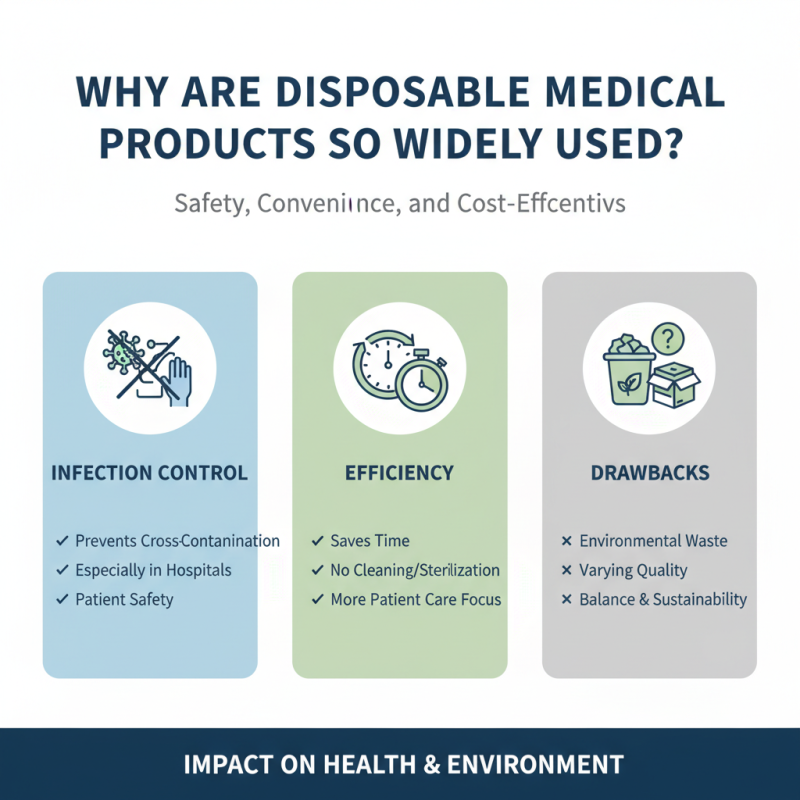
Disposable medical products have become commonplace in healthcare settings. This trend raises a critical question: why are disposable medical products widely used? The answer lies in a combination of safety, convenience, and cost-effectiveness.

One reason is infection control. Using single-use items helps prevent cross-contamination between patients. This practice is especially vital in hospitals. Healthcare professionals rely on these products to maintain patient safety. Another factor is efficiency. Disposable products save time during procedures. They eliminate the need for cleaning and sterilization. This allows healthcare workers to focus more on patient care.

However, the reliance on disposable items is not without drawbacks. Environmental concerns arise from excessive waste generated by these products. Additionally, there are discussions about the quality of some disposable items, which can vary widely. The healthcare industry must continually assess the balance between convenience and sustainability. Understanding why disposable medical products are widely used prompts reflection on their impact on both health and the environment.
Why Are Disposable Medical Products So Widely Used?

The Rise of Disposable Medical Products in Healthcare

The adoption of disposable medical products has surged in healthcare settings. These items, including syringes, surgical gowns, and gloves, offer convenience and security. According to a report by the U.S. Market Research, the global disposable medical supplies market is projected to reach $300 billion by 2025. This rapid growth reflects a shift in healthcare practices.

One reason for their popularity is infection control. Disposable products reduce the risk of contamination. A study published in the Journal of Healthcare Engineering noted that using disposable items can decrease hospital-acquired infections by up to 50%. This statistic demonstrates how crucial these items are for patient safety.

However, the reliance on disposable medical products raises concerns about environmental impact. Many of these products contribute to plastic waste. Reports from environmental organizations highlight that healthcare waste has increased by 25-30% due to disposable items. This trend challenges the sustainability of healthcare practices. Balancing convenience and environmental responsibility is essential for the future of medical product usage.

Advantages of Disposable Medical Products for Patient Safety

Disposable medical products have revolutionized patient safety in healthcare settings. These products, from syringes to surgical gowns, are designed for single-use, reducing the risk of infections. By eliminating the need for cleaning and sterilization, hospitals can maintain higher hygiene standards. This is particularly crucial in surgical environments, where even minor contaminants can lead to serious complications.

However, the widespread use of disposable items invites scrutiny. While they enhance safety, their environmental impact raises concerns. Many disposable medical items are made from plastics, contributing to global waste. Efforts to develop biodegradable alternatives are ongoing, but the transition is slow. Healthcare providers grapple with balancing patient safety and environmental responsibility.

Despite these challenges, the benefits of disposable medical products are undeniable. They streamline processes in busy medical facilities. Their reliability instills confidence in patients and professionals alike. Yet, the industry must address sustainability to ensure that safety does not come at the cost of our planet.

Cost-Effectiveness of Disposable Medical Solutions

Disposable medical products are increasingly popular for various reasons. One significant factor is cost-effectiveness. Hospitals and clinics often face tight budgets. Disposable items can reduce the need for sterilization and cleaning. This lowers overhead costs significantly.

Additionally, disposable products help improve efficiency. In emergency situations, rapid access to sterile items is crucial. Staff can focus on patient care rather than on preparation. However, the initial purchasing cost may seem higher. Over time, savings from reduced labor and maintenance can outweigh these costs.

Yet, the widespread use of disposables raises environmental concerns. Many products contribute to waste accumulation. This conflict between convenience and sustainability needs careful consideration. Better recycling options could help mitigate this issue, emphasizing the need for innovation in the field.

Environmental Impact and Concerns of Disposable Medical Products

Disposable medical products are prevalent in healthcare due to their convenience and sterility. However, their widespread use raises significant environmental concerns. Each year, millions of tons of these products are discarded. They often end up in landfills, contributing to plastic pollution. This creates a long-lasting impact on ecosystems and wildlife.

Many disposable items, like syringes and gloves, are made from non-biodegradable materials. They persist in the environment for centuries. The production of these products also consumes resources and contributes to carbon emissions. While they serve vital health needs, we must critically evaluate their sustainability. The benefits of using disposables must be balanced against the environmental toll.

Efforts are underway to find alternatives. Some manufacturers are exploring biodegradable materials. Others are focusing on recycling programs, but these solutions are still in their infancy. The pressure is on the medical community to innovate. More awareness is needed about the repercussions of reliance on disposables. This conversation is essential as we consider a more sustainable future in healthcare.

Trends and Innovations in Disposable Medical Product Development

Disposable medical products are becoming increasingly important in healthcare. Their role in infection control is vital. Hospitals and clinics rely on these tools to ensure patient safety and hygiene. Innovations in materials and design enhance their effectiveness.

Recent trends show a shift towards more sustainable options. Biodegradable materials and recyclable packaging are in development. This trend addresses environmental concerns associated with traditional disposables. However, challenges remain. Balancing effectiveness and sustainability can be difficult.

Moreover, there is a need for continuous improvement in quality. Some disposable products may lack the reliability required for critical procedures. The industry must strive for better standards. Feedback from healthcare professionals is essential for meaningful innovation. More collaboration can lead to advancements that enhance patient care.

Why Are Disposable Medical Products So Widely Used? - Trends and Innovations in Disposable Medical Product Development

Product Category Usage Rate (%) Market Growth Rate (2023) Key Innovations
Surgical Instruments 85 5.6% Antimicrobial coatings, Smart sensors
Personal Protective Equipment 90 6.8% Enhanced filtration, Eco-friendly materials
Injections & Infusions 78 4.2% Auto-disable syringes, Smart infusion pumps
Wound Care Products 75 5.1% Hydrogel dressings, Biodegradable options
Diagnostic Devices 80 7.3% Point-of-care testing kits, Smartphone integration

FAQS

: What are disposable medical products?

: Disposable medical products include items like syringes, surgical gowns, and gloves designed for single use.

Why are disposable medical products gaining popularity?

They enhance infection control and reduce contamination risks in healthcare settings.

How do disposables impact patient safety?

They lower hospital-acquired infection rates significantly, improving overall patient safety in medical environments.

What are the environmental concerns related to disposable medical products?

They contribute to plastic waste, with healthcare waste increasing significantly due to these items.

Are disposable medical products cost-effective?

Yes, they can reduce sterilization costs and improve efficiency, despite having higher initial purchase prices.

What challenges do healthcare providers face with disposables?

Balancing patient safety with environmental sustainability is a key challenge for the industry.

How does reliance on disposables affect healthcare practices?

While they streamline processes, the environmental impact requires careful consideration for future practices.

What innovations are necessary in disposable medical products?

Developing biodegradable alternatives and better recycling options could help address environmental issues.

Can disposables outweigh their negative impacts?

Their benefits in safety and efficiency are clear, yet sustainability concerns need to be proactively addressed.

What might future healthcare practices look like regarding disposables?

A greater focus on sustainable options and practices will be essential for balancing convenience with environmental impact.

Conclusion

Disposable medical products have become a staple in healthcare settings due to their numerous advantages. One primary reason why disposable medical products are widely used is their contribution to patient safety. By using single-use items, the risk of cross-contamination is minimized, leading to improved hygiene and better health outcomes. Additionally, these products are often more cost-effective in the long run, as they eliminate the need for sterilization and reprocessing, making them a practical choice for healthcare providers.

However, the increasing reliance on disposable medical products raises concerns about their environmental impact. The accumulation of waste from single-use items poses significant challenges to sustainability in healthcare. Despite these concerns, trends and innovations continue to emerge, focusing on developing biodegradable or environmentally friendly alternatives to address these issues. Overall, while disposable medical products offer essential benefits, the healthcare industry must also consider their environmental ramifications as they evolve.

Isabella

Isabella

Isabella is a dedicated marketing professional with a sharp focus on driving brand growth and engagement through strategic content creation. With an extensive background in digital marketing, she combines her passion for storytelling with her keen understanding of industry trends to deliver......