In the healthcare sector, the question arises: what are the benefits of single use medical items? These products play a vital role in ensuring patient safety and enhancing operational efficiency. Hospitals and clinics benefit from the sterile, ready-to-use nature of these items, which reduces the risk of infections.
Moreover, single use medical items simplify inventory management. With standardized, disposable products, healthcare providers can streamline processes. This reduces time spent on cleaning and sterilization, making room for other critical tasks.
However, it is important to consider the environmental impact of such items, as waste management becomes a concern. While the benefits are significant, balancing convenience and sustainability requires thoughtful reflection. Understanding these complexities can lead to better decisions in healthcare procurement.
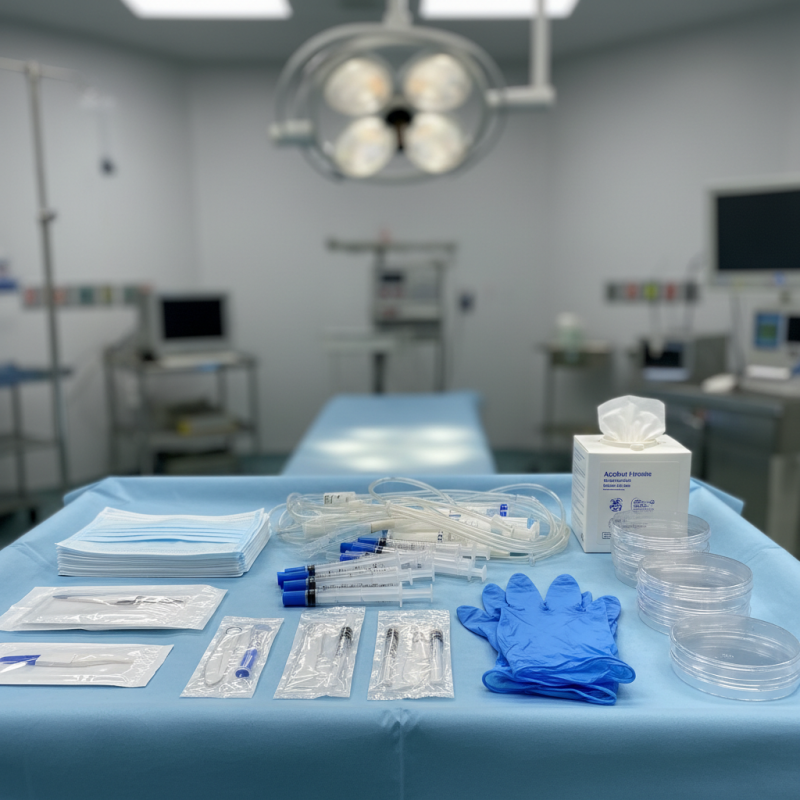
The cost-effectiveness of single-use medical items is a critical factor for healthcare buyers. Disposable items reduce operational costs by eliminating the need for cleaning and sterilization. According to a report by the Healthcare Cost and Utilization Project, hospitals can save up to 30% by using single-use products over reusables. This allows funds to be redirected to patient care and technology upgrades.
Another aspect to consider is inventory management. Single-use items simplify stock control. With a reduced risk of cross-contamination, fewer items are needed in storage. However, there can be challenges. Some healthcare facilities might face supply chain disruptions, affecting availability. This inconsistency can lead to increased costs and operational delays.
Despite these concerns, the overall trend leans towards single-use products. A study highlighted that 75% of healthcare providers prefer them due to lower infection rates and better patient outcomes. In an era where patient safety and efficiency are paramount, these items provide a balanced approach. However, striking a balance between cost savings and environmental impact remains an ongoing challenge.
Single-use medical supplies have transformed the healthcare landscape, especially regarding safety protocols. Data from the Centers for Disease Control and Prevention (CDC) indicate that single-use items significantly reduce the risk of infections. This decrease is critical in environments such as hospitals, where patient immunity may be compromised. An estimated 1 in 31 hospital patients contracts at least one healthcare-associated infection, highlighting the need for stricter safety measures.
Implementing single-use products mitigates cross-contamination risks. Each item is sterile, designed for single patients, and disposed of after use. Research from the World Health Organization shows that proper use of single-use devices could potentially lower infection rates by 30%. However, healthcare providers must ensure they are not overly reliant on single-use items. Overuse may lead to environmental waste and financial constraints. Balancing safety and sustainability is crucial.
The cost savings associated with reducing infections are notable. According to a study in the Journal of Hospital Infection, managing a single hospital-acquired infection can cost healthcare systems upwards of $30,000. Investing in single-use items may offer a higher upfront cost but yields significant long-term savings. Providers must continually evaluate the trade-offs between safety standards and environmental impact to maintain effective healthcare practices.
The convenience of handling and storing disposable medical items has become a crucial factor for healthcare providers. In 2022, the global market for single-use medical devices was valued at approximately $145 billion and is projected to reach $235 billion by 2030, highlighting the increasing demand for these products. One major advantage is their lightweight nature, making transportation easier within medical facilities. These items can be directly discarded after use, reducing the need for complex cleaning processes.
Furthermore, storage is significantly simplified. Disposable medical items are often packaged in compact designs, allowing for efficient shelving. Hospitals can maximize their space, which is vital, especially in emergency scenarios. Studies indicate that facilities utilizing single-use items experienced a reduction in cross-contamination rates by nearly 25%.
However, the reliance on disposable items raises concerns about environmental impact. While they offer convenience, the ecological footprint cannot be overlooked. Healthcare providers must also consider waste management strategies to mitigate this effect. Striking a balance between convenience and sustainability is a challenge that needs to be addressed.
Single-use medical items significantly reduce cross-contamination risks in healthcare settings. Each item is designed for one-time use, preventing the transfer of pathogens between patients. This is crucial in environments where infections can spread rapidly. For example, single-use syringes ensure that every patient receives sterile treatment, minimizing risks.
Beyond safety, the implementation of single-use products is vital for maintaining a clean environment. Clinical staff can focus more on patient care rather than extensive cleaning protocols between uses. However, relying solely on these items may lead to complacency in hygiene practices. It's essential to remember that single-use does not equal risk-free.
Healthcare providers must balance the convenience of single-use products with sustainable practices. The environmental impact of increased waste generation needs consideration. Evaluating how to integrate single-use items while promoting recycling programs can enhance overall safety and sustainability. Each decision carries weight, and continuous reflection on practices is vital for ongoing improvement.
The use of single-use medical items is a vital practice in maintaining compliance with health regulations in medical facilities. These items help prevent cross-contamination, ensuring patient safety. They also reduce the risk of infections, supporting a healthier environment for both patients and staff. With increasing regulations, streamlining compliance becomes necessary for healthcare providers. Adopting single-use products simplifies processes, making it easier to adhere to hygiene standards.
Tips: Always choose items that comply with local regulations. Regular training for staff on the importance of using single-use products can enhance safety. Consider reviewing inventory frequently to ensure an adequate supply of these items.
While single-use products offer many benefits, they also present challenges. Not all medical staff may be in favor, citing cost concerns. It’s essential to weigh these factors against the potentially severe consequences of using reusable items that may not meet stringent health codes. Encouraging open discussions within medical teams can help address any hesitations.
| Benefit | Description | Impact on Compliance |
|---|---|---|
| Infection Control | Reduces the risk of cross-contamination in medical procedures. | Enhances adherence to health regulations concerning hygiene. |
| Cost-Effectiveness | Minimizes costs associated with cleaning and reprocessing. | Supports budget compliance in health facilities. |
| Ease of Use | Simple to implement and requires less training for staff. | Helps facilities maintain compliance with training requirements. |
| Availability | Typically easier to obtain than reusable alternatives. | Ensures readiness and compliance in emergency situations. |
| Standardization | Helps maintain uniform practices across medical facilities. | Facilitates regulatory compliance checks. |
| Reduced Risk of Errors | Minimizes chances of using improperly cleaned instruments. | Supports accurate compliance with safety protocols. |
| Traceability | Many single-use items come with tracking capabilities. | Helps in auditing and regulatory reporting. |
| Environmental Considerations | Increasingly, single-use products are made from recyclable materials. | Aligns with sustainability standards in healthcare regulations. |
| Enhanced Patient Confidence | Patients feel safer knowing single-use items are used. | Promotes trust and compliance with patient safety regulations. |
| Reduction in Waste Management Issues | Improves handling of biomedical waste compared to reusable items. | Aids compliance with waste disposal regulations. |
: They are lightweight and easy to transport. They can be discarded after use, simplifying cleaning processes.
Their compact packaging allows for efficient shelving. This maximizes space, especially in emergencies.
They are designed for one-time use, preventing pathogen transfer. This is crucial in infection-prone environments.
They contribute to increased waste and have an ecological footprint. This raises sustainability issues in healthcare.
Relying solely on them may lead to complacency in hygiene. Single-use does not guarantee risk-free environments.
They should consider waste management and recycling options. Continuous reflection on practices is essential for improvement.
The article titled "Top 10 Benefits of Single Use Medical Items for Buyers" outlines the significant advantages of utilizing disposable medical supplies in healthcare settings. One of the primary benefits is cost-effectiveness, as single-use items reduce the need for sterilization and lower operational costs. Enhanced safety protocols are also crucial, as these items minimize the risk of infection and adhere to strict health regulations, ensuring a high standard of care.
Moreover, single-use medical products offer convenience in handling and storage, making them easier to manage within medical facilities. Most importantly, they significantly reduce cross-contamination risks, protecting both patients and healthcare providers. Thus, when considering what are the benefits of single use medical items, it becomes clear that they provide an effective solution for improving safety, compliance, and operational efficiency in the medical field.

RosMed Medical