Choosing healthcare supplies in 2026 requires more than comparing prices or selecting attractive packaging. Clinics, care homes, and families need products that protect patients, support caregivers, and perform reliably under pressure. This guide explains how to choose safe healthcare supplies using practical checks, professional guidance, and trustworthy evidence.
Look for clear manufacturer details, complete product instructions, batch numbers, expiry dates, and secure packaging. A sterile dressing should arrive sealed, dry, and undamaged. A thermometer should display readable results and include simple cleaning instructions. Gloves should fit properly without tearing during ordinary use. Small details matter.
Check whether the supplier follows recognized quality systems and provides current testing information. Ask healthcare professionals when a product involves wounds, medication delivery, respiratory support, or infection prevention. Online reviews can reveal user experience, but they should not replace clinical advice. Marketing language is not proof.
Safety also depends on storage, training, and correct use. Even a well-made syringe becomes unsafe if its package is opened early or stored incorrectly. Review recall notices and supplier support before purchasing large quantities. Keep records of products, lot numbers, and replacement dates.
No checklist is perfect. I have seen buyers focus on unit cost and overlook disposal instructions or staff training. That mistake can create avoidable risks. A safer decision balances evidence, usability, patient needs, and professional judgment. The goal is not to find the cheapest supply. It is to choose dependable equipment that remains safe in real healthcare settings.
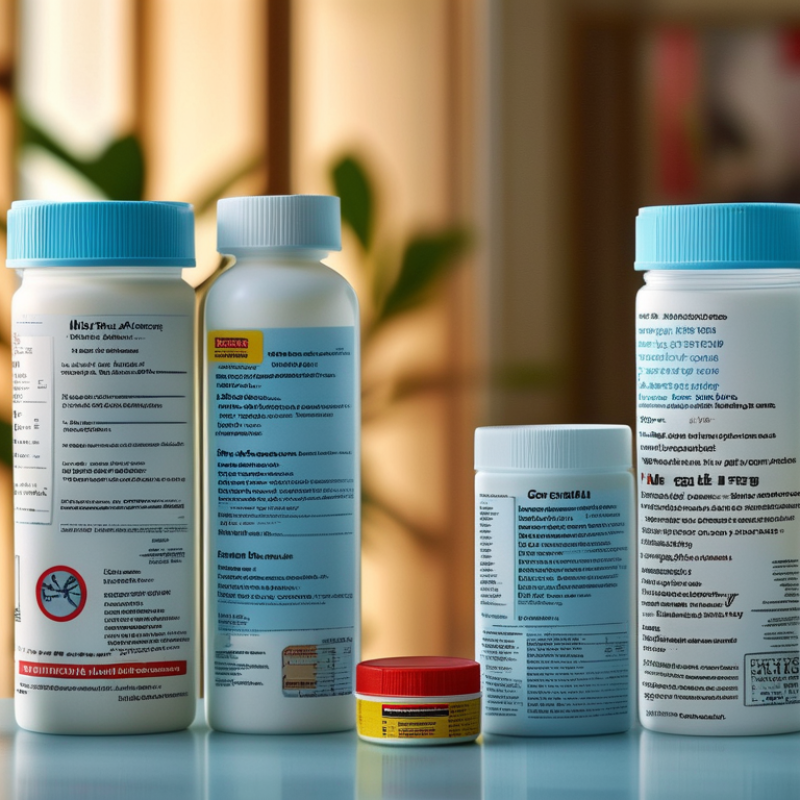
A safe healthcare supply protects patients, staff, and the treatment process. Reliability begins with clear product information, not attractive packaging. Check the item’s intended use, material, size, expiry date, and storage requirements. Instructions should be readable and specific. Vague wording deserves caution.
Inspect every package before use. Look for broken seals, moisture, faded labels, or crushed corners. A clean box can still hide damage. Confirm the lot number and expiry date match the delivery record. For sterile supplies, never accept doubtful packaging. When in doubt, stop.
Trusted suppliers provide traceable records and consistent quality. Ask how products are tested, stored, transported, and recalled. Their answers should be practical, not merely confident. Staff experience also matters. A supply may meet technical requirements yet feel unsafe during a busy procedure. Poor grip, confusing measurements, or fragile components can create risk.
Small details matter. Keep temperature-sensitive items within the stated range. Record inspections and report unusual defects promptly. Do not rely on memory. Check current guidance from qualified healthcare authorities and trained professionals. I have learned that speed can weaken judgment. That lesson still needs repeating. Reliable care depends on evidence, careful handling, and the courage to reject an uncertain product.
2026 Top Tips: How to Choose Safe Healthcare Supplies?
Safe healthcare supplies require more than a clean package and a low price. The World Health Organization reports that one in ten patients experiences harm during healthcare, and more than half of this harm is preventable. Its 2022 infection prevention report also estimates that healthcare-associated infections affect 7 in 100 patients in high-income countries and 15 in 100 patients in low- and middle-income countries. These figures make product verification a practical safety step.
Check the product label, lot number, expiry date, storage limits, and instructions for use. The packaging should be sealed, dry, and free from crushing or discoloration. Verify that the supplier’s quality certificate matches the product category and manufacturing site. ISO 13485 certification can show a controlled quality management system, but it does not automatically prove that every item is suitable for your clinical use. Review the certificate scope, issuing body, validity, and audit status.
Ask for traceability records.
For regulated devices, confirm the applicable market authorization and conformity documents. Check whether the product name, model, and intended use match the paperwork. A certificate with vague product details deserves closer review. I once treated an undamaged carton as proof of quality. That was a mistake. Internal packaging can still be compromised, and storage history is easy to overlook. Keep receiving records, inspection photos, and complaint procedures. Independent testing may also be sensible for high-risk supplies, especially when instructions are unclear or supplier answers change.
Key quality, certification, and compliance milestones to check when evaluating healthcare products
Milestone years are based on published or effective dates for ISO 13485:2016, ISO 14971:2019, IEC 60601-1 Edition 3.2:2020, EU Medical Device Regulation (EU) 2017/745 application in 2021, and the U.S. FDA Quality Management System Regulation effective in 2026. Standards and regulations should be checked against the latest official editions.
Safe healthcare supplies begin with material evidence, not attractive packaging. Check whether plastics, rubber, adhesives, and metals suit the intended procedure. Materials should have documented biocompatibility and chemical compatibility. ISO 10993 testing can help assess irritation, sensitization, and biological risks. I also inspect packaging for punctures, moisture, broken seals, or faded labels. A clean-looking tray can still mislead me.
Tip: Ask for sterilization validation, lot traceability, and shelf-life evidence. ISO 11607 focuses on sterile barrier packaging and maintaining sterility until use. The World Health Organization reported that healthcare-associated infections affect about 7 in 100 acute-care patients in high-income countries. The figure rises to 15 in 100 in low- and middle-income countries. These numbers make small packaging defects worth serious attention.
Sterility claims need context. Confirm the method, cycle parameters, and release records. Do not assume “sterile” means contamination-proof after opening. The U.S. Centers for Disease Control and Prevention estimates that about 1 in 31 hospitalized patients has a healthcare-associated infection on any given day. Store supplies away from dust, heat, damp floors, and crowded shelves. Use older validated stock before newer deliveries, when appropriate. I sometimes overfocus on the expiry date and miss damaged seals. That is a practical weakness worth correcting.
| Supply Category | Common Material Options | Material Safety Checks | Sterility Requirement | Typical Sterilization Method | Key Contamination Risks | Risk Level Before Controls | Recommended Verification | Useful Reference Standards | Practical Acceptance Indicators |
|---|---|---|---|---|---|---|---|---|---|
| Disposable Examination Gloves | Nitrile, natural rubber latex, or vinyl | Check for chemical residues, accelerator sensitivity, latex-allergen labeling, tear resistance, and powder-free construction. | Usually non-sterile for routine examination; sterile when used for invasive or aseptic procedures. | Gamma radiation, ethylene oxide, or validated steam processes for compatible products. | Microorganisms on the outer surface, glove tears, incorrect donning, and cross-contamination between users. | Moderate | Review batch documentation, visual inspection, leak testing, packaging integrity, and sterility evidence when labeled sterile. | ASTM D6319, ASTM D3578, ISO 10993-1, ISO 11135, ISO 11137 | Intact packaging, consistent sizing, no visible tears or pinholes, clear lot identification, and acceptable barrier-test results. |
| Syringes and Needles | Medical-grade polypropylene, stainless steel, elastomeric stopper materials | Assess extractables, lubricant compatibility, particulate shedding, material compatibility with the intended medication, and dimensional accuracy. | Must be sterile for injection or other procedures that breach the skin or enter sterile tissue. | Ethylene oxide, gamma radiation, or steam where the design and materials permit. | Endotoxins, visible or subvisible particles, package leakage, needle damage, and loss of sterility after opening. | High | Check sterility assurance records, bacterial endotoxin testing, particulate testing, dimensional inspection, and package seal integrity. | ISO 7886-1, ISO 7864, ISO 10993-1, ISO 11737-1, USP <71> | Clear sterile barrier, undamaged needle, smooth plunger movement, no visible particles, and traceable lot information. |
| Wound Dressings | Cellulose or cotton fibers, polyurethane foam, hydrocolloid, alginate, or silicone contact layers | Evaluate skin-contact biocompatibility, fiber shedding, absorbency, adhesive sensitivity, and interaction with wound exudate. | Sterile when applied to open wounds, surgical sites, or damaged skin; non-sterile products require clear use limitations. | Ethylene oxide, gamma radiation, or steam for suitable constructions. | Microbial penetration, particulate or fiber shedding, compromised adhesive seals, and contamination during application. | High | Review sterility validation, absorbency data, package integrity, biocompatibility testing, and shelf-life evidence. | ISO 10993-1, ISO 11135, ISO 11137, ISO 11737-1 | Dry and intact packaging, no visible foreign matter, uniform absorbent layer, clear expiry date, and validated sterile barrier. |
| Face Masks and Respirators | Polypropylene nonwoven layers, polyester or elastomeric straps, thermoplastic nose components | Check fiber shedding, skin-contact safety, odor, strap strength, filtration performance, and fit-related design features. | Medical masks may be supplied non-sterile or sterile depending on intended use; respirators are generally not sterile. | Usually manufactured under controlled conditions rather than sterilized after production; sterile versions require a validated process. | Particle penetration, poor fit, contaminated inner surfaces, moisture accumulation, and reuse beyond the validated period. | Moderate | Verify filtration and breathing resistance results, inspect welds and straps, confirm packaging cleanliness, and check intended-use labeling. | EN 14683, ISO 10993-1, applicable national respirator performance requirements | Consistent layers, secure straps, undamaged packaging, acceptable filtration results, and clear single-use or reuse instructions. |
| Catheters and Tubing | Polyurethane, silicone, PVC, polyethylene, or thermoplastic elastomers | Assess flexibility, kinking, chemical compatibility, plasticizer migration, extractables, and contact duration with tissue or fluids. | Must be sterile when inserted into the vascular system, urinary tract, body cavity, or other normally sterile site. | Ethylene oxide, radiation, or steam depending on material and geometry. | Biofilm formation, endotoxins, particulate contamination, lumen blockage, and loss of sterility from damaged packaging. | High | Review sterility and endotoxin validation, lumen patency, tensile strength, leakage testing, biocompatibility, and packaging tests. | ISO 10993-1, ISO 11737-1, ISO 11135, ISO 11137, ISO 17665 | Uniform lumen, no cracks or kinks, secure connectors, intact sterile barrier, and complete traceability. |
| Reusable Surgical Instruments | Stainless steel, titanium, engineering polymers, or silicone components | Check corrosion resistance, surface finish, joint design, compatibility with cleaning agents, and ability to withstand repeated processing cycles. | Must be cleaned and sterilized between uses according to validated reprocessing instructions. | Moist heat sterilization is commonly used; low-temperature methods may be required for heat-sensitive components. | Residual soil, inadequate cleaning, damaged surfaces, retained moisture, and incomplete sterilant exposure. | High | Use cleaning validation, visual inspection, soil-removal verification, sterilizer monitoring, maintenance records, and process indicators. | ISO 17664-1, ISO 17665, ISO 15883, ISO 14937 | No visible soil or corrosion, functional moving parts, validated cleaning instructions, and documented sterilization cycles. |
| IV Administration Sets | Medical-grade PVC, polyurethane, polyethylene, silicone, and elastomeric seals | Assess fluid compatibility, extractables, plasticizer migration, connection security, and particulate generation. | Must be sterile and pyrogen-controlled for intravenous administration. | Ethylene oxide, gamma radiation, or steam-compatible processes. | Endotoxins, particles, microbial ingress through connectors, leaks, and contamination during line changes. | High | Verify sterility, endotoxin limits, particulate levels, pressure and leakage performance, connector compatibility, and package integrity. | ISO 8536-4, ISO 10993-1, ISO 11737-1, USP <85> | Intact sterile packaging, secure connections, unobstructed flow, no visible particles, and documented lot traceability. |
| Specimen Collection Containers | Polypropylene, polyethylene, polystyrene, or borosilicate glass | Check chemical inertness, closure performance, sample compatibility, label adhesion, and resistance to cracking or leakage. | Sterility depends on the specimen type and test method; sterile containers are required where contamination could affect results. | Radiation, ethylene oxide, or controlled manufacturing conditions depending on container material and use. | Environmental microorganisms, cross-contamination, leakage, incorrect labeling, and residue from manufacturing. | Moderate | Inspect closure and leak performance, confirm cleanliness or sterility status, verify sample-volume markings, and check labeling controls. | ISO 15189, ISO 10993-1 where patient contact applies, applicable laboratory collection requirements | Clean interior, secure closure, legible identification area, leak-resistant design, and clear storage instructions. |
| Alcohol or Antiseptic Skin Preparation | Alcohol solutions, aqueous antiseptics, surfactants, and nonwoven applicator materials | Verify active-ingredient concentration, preservative compatibility, skin tolerance, container compatibility, and absence of unintended residues. | Product sterility depends on formulation and intended use; applicators for invasive procedures may require sterile presentation. | Filtration, aseptic filling, or validated terminal sterilization where appropriate. | Microbial growth in the solution, contaminated applicator tips, incorrect concentration, and cross-use of single-use applicators. | Moderate | Review concentration testing, microbial limits or sterility testing, container-closure integrity, expiry dating, and storage conditions. | USP <51>, USP <61>, USP <71>, applicable pharmacopeial monographs | Sealed container, correct concentration, intact applicator, clear expiry date, and no evidence of leakage or contamination. |
| Protective Gowns and Drapes | Nonwoven polypropylene, polyethylene film, polyester, or laminated composites | Assess barrier performance, lint generation, seam strength, skin-contact safety, fluid resistance, and intended protection level. | Sterile gowns and drapes are used for sterile procedures; non-sterile versions require controlled application and clear labeling. | Ethylene oxide, gamma radiation, or validated processing for sterile versions. | Fluid strike-through, surface contamination, torn seams, incorrect donning, and contact between contaminated and clean surfaces. | Moderate | Verify barrier and seam tests, inspect packaging, confirm size and coverage, and review sterile-barrier validation when applicable. | ISO 10993-1, EN 13795, ISO 11135, ISO 11137 | Intact seams, consistent material, adequate coverage, clean packaging, and performance appropriate to the procedure. |
Note: Sterility requirements depend on the intended use, patient-contact site, product labeling, and applicable jurisdiction. A sterile claim should be supported by a validated sterilization process, routine monitoring, packaging validation, and documented lot release controls.
Choosing a healthcare supplier requires more than comparing prices. Safety begins with confirming who stands behind each product. Check the supplier’s legal registration, operating address, quality certifications, and product-specific authorizations. The company name should match across every document. Small mismatches matter.
Ask for recent certificates, testing reports, batch records, and clear expiry information. Verify certificates with the issuing organization, not only with the supplier’s sales team. Confirm that product labels, packaging, and instructions match the supplied documentation. A reliable supplier can explain storage temperatures, transport controls, and recall procedures without hesitation. Ask how they investigate complaints and replace damaged shipments. Their answers reveal daily practice.
Look for traceable lot numbers on cartons and inner packages. Request a sample order before signing a long-term agreement. Inspect seals, labels, dates, and paperwork when it arrives. Keep photographs and delivery records for future checks. A site visit or independent audit can strengthen confidence, especially for critical supplies. References from hospitals or clinics may help, but they need verification too. One missed detail can matter. I would not treat a polished website as proof of quality. It is only a starting point. Even experienced buyers can overlook outdated documents or unclear subcontracting arrangements. Ask who manufactures, stores, and ships the products. If the answer changes between conversations, pause the purchase and request written clarification.
Safe healthcare supplies begin with controlled handling, not attractive packaging. Choose items with clear labels, intact seals, readable expiry dates, and traceable batch information. Check that each product matches the intended procedure and user group. Storage conditions matter as much as purchasing decisions. Heat, moisture, sunlight, and dust can quietly reduce performance. Keep supplies in clean, dry areas, away from chemicals and crowded floors. Use shelves, not damp surfaces. Follow supplier instructions and approved workplace procedures.
Tips: Rotate stock by expiry date. Record receiving dates. Inspect boxes before opening them. Reject wet, crushed, torn, or tampered packaging. Look for discoloration, unusual odors, missing instructions, or broken components. Do not guess when a label is unclear. Pause and ask a trained supervisor. A checklist helps, but it is not foolproof. Even careful teams miss small defects during busy shifts. That deserves honest review.
Before use, clean your hands and prepare a suitable workspace. Open sterile packaging only when needed, using the correct technique. Never use a supply after its expiry date or when sterility is uncertain. During use, watch for leaks, loose parts, poor fit, or unexpected resistance. Stop if something seems wrong. Separate damaged or contaminated items from usable stock, and follow approved disposal procedures. Document incidents and recurring storage problems. Small records can reveal larger risks. Safe practice is careful, repeatable, and willing to improve.
Check its intended use, material, size, expiry date, and storage requirements. Instructions should be readable and specific. Vague wording needs caution.
Look for broken seals, moisture, faded labels, crushed corners, or discoloration. Confirm the lot number and expiry date. A clean box can still hide damage.
Do not use it. Separate the item and report the concern through approved workplace procedures. When uncertain, stop.
Confirm the certificate matches the product category and manufacturing site. Review its scope, validity, issuing organization, and audit status. Certification alone does not prove suitability.
They connect products with suppliers, batches, delivery dates, and inspection results. Keep receiving records, photos, and complaint details. Do not rely on memory.
Keep them in clean, dry areas, away from heat, sunlight, moisture, chemicals, and dusty floors. Use shelves. Follow the stated temperature range.
Reject wet, torn, crushed, or tampered packaging. Also reject missing instructions, unusual odors, loose parts, leaks, or unclear labels.
Stop if there is poor fit, unexpected resistance, leakage, or a loose component. Separate the item and document the incident. Fast work can weaken judgment.
No. A checklist helps, but busy teams may still miss small defects. Review repeated mistakes honestly and improve the process.
Rotate supplies by expiry date and record receiving dates. Inspect boxes before opening them. Do not use expired products or items with uncertain sterility.
Choosing safe healthcare supplies requires more than comparing prices or product features. To understand how to choose safe healthcare supplies, begin by checking whether each product is designed for its intended medical purpose and supported by clear quality standards. Review certification, regulatory compliance, labeling, instructions, expiration dates, and batch information. Reliable documentation and traceable manufacturing records can help confirm that a product meets appropriate safety and performance requirements.
Materials, sterility, and contamination controls are also essential, especially for items used on patients or in clinical environments. Select supplies made from suitable, durable materials and inspect sterile packaging for damage before use. Work with suppliers that can provide verifiable credentials, quality records, and responsive customer support. After purchase, store supplies according to the recommended temperature, humidity, light, and handling conditions. Regularly inspect packaging and product condition, remove expired or compromised items, and follow approved procedures and instructions during use.

RosMed Medical